Thailand Considers Lifting THB 300K Retail ICO Limit
Thailand’s Securities and Exchange Commission (SEC) is considering lifting the 300,000 baht (about $8,800) retail investment limit for initial coin offerings (ICO) to stimulate investments in digital tokens. Thailand to...
Archive context
Older archive item. Useful for background and entity history, but not a fresh market-moving signal.

Thailand’s Securities and Exchange Commission (SEC) is considering lifting the 300,000 baht (about $8,800) retail investment limit for initial coin offerings (ICO) to stimulate investments in digital tokens.
Thailand to Remove ICO Limit
As reported by the local media Bangkok Post, the Thai regulator has opened a public hearing until 27 April on its plans to remove the limit for asset-backed ICOs, including the ones backed by real estate and infrastructure projects. Under the current rules, retail investors can only invest up to 300,000 baht in a project through an ICO.
“The revision of the regulation is aimed at enhancing effective monitoring of digital asset operations and reducing risks that might affect investors, digital asset operators, and the market,” the Thai regulator said.
The SEC highlighted that the move to lift the ICO limit for retail investors would allow more retail investments, increasing their risk exposure.
To minimize the risks in the sector, the Thai regulator is planning to mandate regulatory permission for digital asset operators to expand into other business areas. However, the new rules would increase the compliance cost to the digital asset operators in the country.
The Thai Cryptocurrency Sector
Thailand has strict oversight of the local cryptocurrency industry. Only a handful of crypto exchanges operate locally, but the industry is still stressed. Last year Huobi shuttered its Thailand operations, while Bitkub, one of the leading local exchanges, faced enforcement actions.
The $100 million capital buyout of Zipmex, another Thailand-focused crypto exchange, also might be in jeopardy as the investor reportedly missed a $1.25 million payment recently. Earlier, the local banking giant SCB backtracked from acquiring a controlling state at Bitkub, citing pending regulatory issues.
Meanwhile, Thai regulators continue to strengthen crypto oversight and bought strict rules around the promotions and advertising of cryptocurrency companies, primarily to minimize risks. It mandated the showcasing of investment risks, and companies need to provide information on advertising terms to the regulator. Another law bans any form of crypto payments in the country but allows investment and trading.
Saxo's New Portal; JPX Gets into DeFi; read today's new nuggets.
This article was written by Arnab Shome at www.financemagnates.com.Why this matters
This cryptocurrency story adds another data point to the current market tape and is useful when read alongside nearby source coverage.
Original source
Read on Finance MagnatesRelated market context

CFTC secures $31M court order against digital asset fraud scheme that duped 14,000 investors
The case underscores the critical need for regulatory vigilance and investor due diligence in preventing and mitigating digital as...
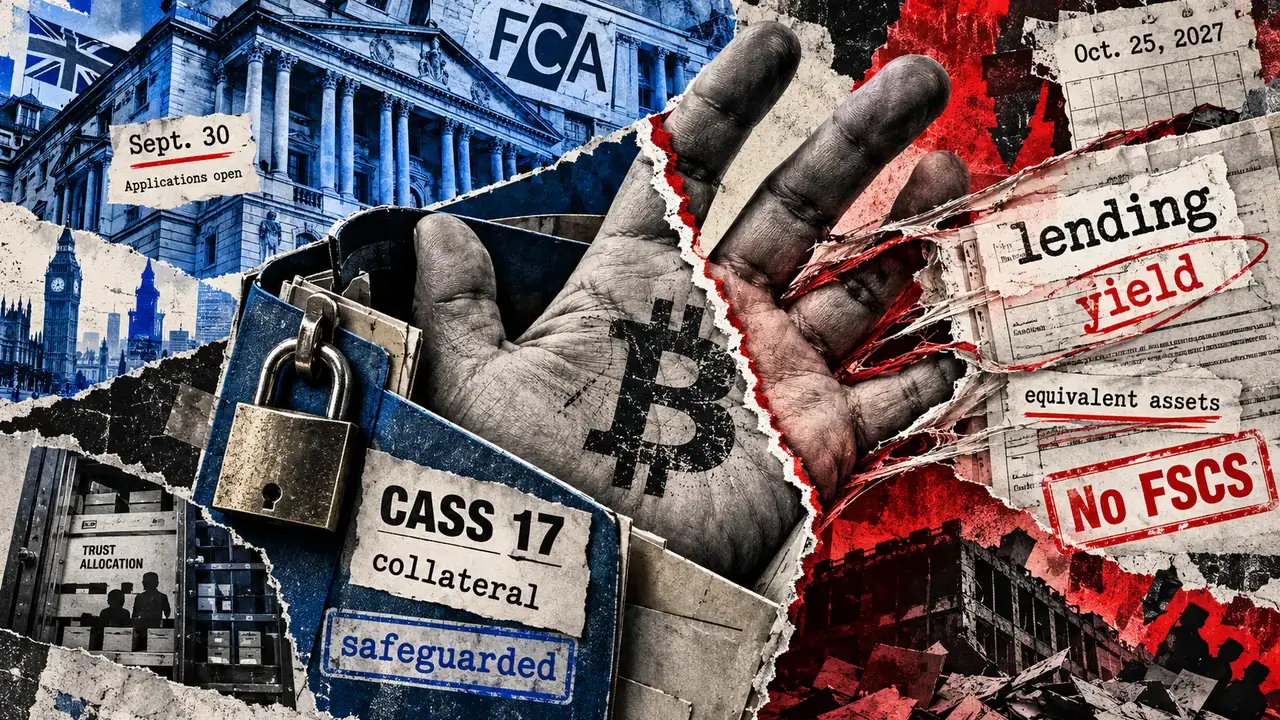
UK’s 2027 crypto rules let firms remove trust protection from Bitcoin lent for yield
UK crypto firms can now apply for authorization as of Sept. 30, bringing Bitcoin holders closer to a rulebook that will treat coin...

Senate Republicans introduce crypto tax bill targeting digital assets
The bill's focus on crypto taxation may signal a shift towards detailed regulatory frameworks, influencing market sentiment and fu...

Crypto Markets Digest: The Block’s Live Price Feed Underscores the News-Data Nexus in Digital Assets
The Block pairs Bitcoin and Ethereum news with live prices. We examine why crypto news and real-time data fused, and what it means...

Ripple Tokenizes Brazilian Investment Fund & Real Estate Records On XRP Ledger
In a major development confirmed on SEPTEMBER 30, 2026, Confirmed announcement/filing for Ripple Tokenizes Brazilian Investment Fu...
Kraken Completes Acquisition Of TradeStation Crypto Infrastructure Assets
In a major development confirmed on SEPTEMBER 30, 2026, Confirmed announcement/filing for Kraken Completes Acquisition Of TradeSta...