Thailand’s K-Bank Acquires 97% Stake in Parent Company of Satang Crypto Exchange
Source: Pexels Thailand’s second-largest bank, Kasikorn Bank, widely known as K-Bank, has acquired a 97% stake in the parent company of the established Satang crypto exchange. This strategic acquisition comes as K-Bank i...
Archive context
Older archive item. Useful for background and entity history, but not a fresh market-moving signal.
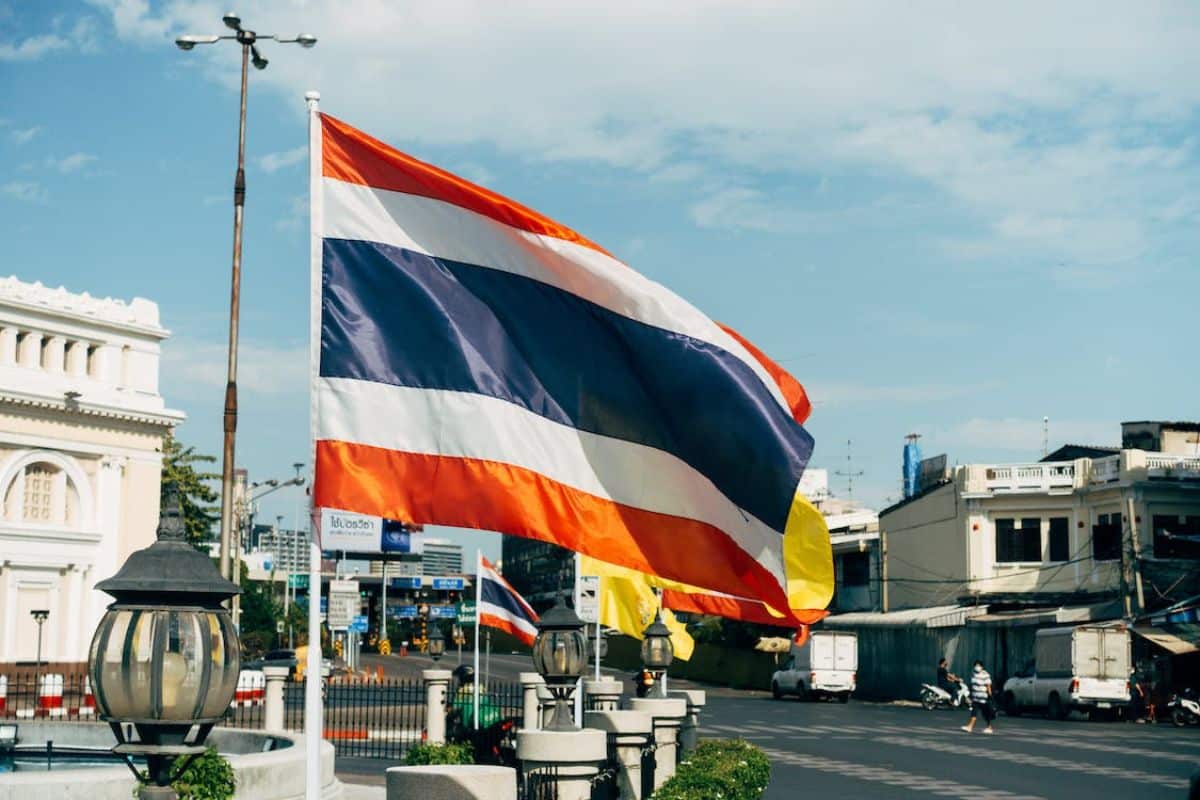
Thailand’s second-largest bank, Kasikorn Bank, widely known as K-Bank, has acquired a 97% stake in the parent company of the established Satang crypto exchange.
This strategic acquisition comes as K-Bank intensifies its efforts in the cryptocurrency sector, aiming to offer a comprehensive range of crypto services that comply with Thailand’s regulatory framework.
K-Bank Acquires Majority Stake for $102 MillionThe deal, valued at 3.705 billion Thai baht (approximately $102.8 million), was executed through a newly established K-Bank subsidiary known as Unita Capital, Thailand Posts reported.
Unita Capital holds a specific mandate to invest in digital assets companies, aligning with K-Bank’s commitment to expanding its presence in the digital asset and cryptocurrency market.
Once the transaction concludes, Satang will undergo a rebranding process, emerging as Orbix.
This transformation signifies a broader shift in K-Bank’s digital strategy, as Orbix will encompass three additional subsidiaries: Orbix Custodian, Orbix Invest (a digital asset fund manager), and Orbix Technology, a blockchain technology developer.
Thai Bank Launched $100 Million Fund Dedicated to Web3 InvestmentsBank’s venture into the crypto sector comes on the heels of the bank’s recent launch of a $100 million fund dedicated to investments in web3, fintech, and artificial intelligence.
Notably, K-Bank’s rival, Siam Commercial Bank (SCB), has also been actively pursuing opportunities in the web3 and cryptocurrency domains, indicating the growing importance of these areas in the Thai financial landscape.
Udomsak Rakwongwan, a professor at Kasetsart University and co-founder of FWX.finance, a company in which K-Bank has invested, expressed that K-Bank has obtained a crypto exchange license and is actively pursuing additional licenses for crypto-related activities in Thailand.
Rakwongwan highlighted the distinctive nature of the Thai market, which enjoys substantial institutional support and presents a unique set of opportunities in the crypto and digital asset sphere.
Earlier, Thailand’s energy giant, Gulf, joined forces with Binance through its Gulf Innova fund to establish a regulated, local version of the exchange in the Thai market.
In a statement to local media, K-Bank revealed its ambition to capture a 20% share of the crypto market in Thailand by 2024.
The post Thailand’s K-Bank Acquires 97% Stake in Parent Company of Satang Crypto Exchange appeared first on Cryptonews.
Why this matters
This cryptocurrency story adds another data point to the current market tape and is useful when read alongside nearby source coverage.
Original source
Read on CryptonewsRelated market context

Bitcoin holder loses 80 BTC worth $5.2 million after moving funds to reseller-bought Ledger
The incident underscores the critical importance of purchasing hardware wallets from official sources to ensure asset security. Th...
Thailand SEC issues bitcoin and ether ETF rules set to take effect Oct. 16
Thailand's SEC has limited initial crypto ETFs to bitcoin and ether, with new custody, exposure, and trading rules taking effect O...
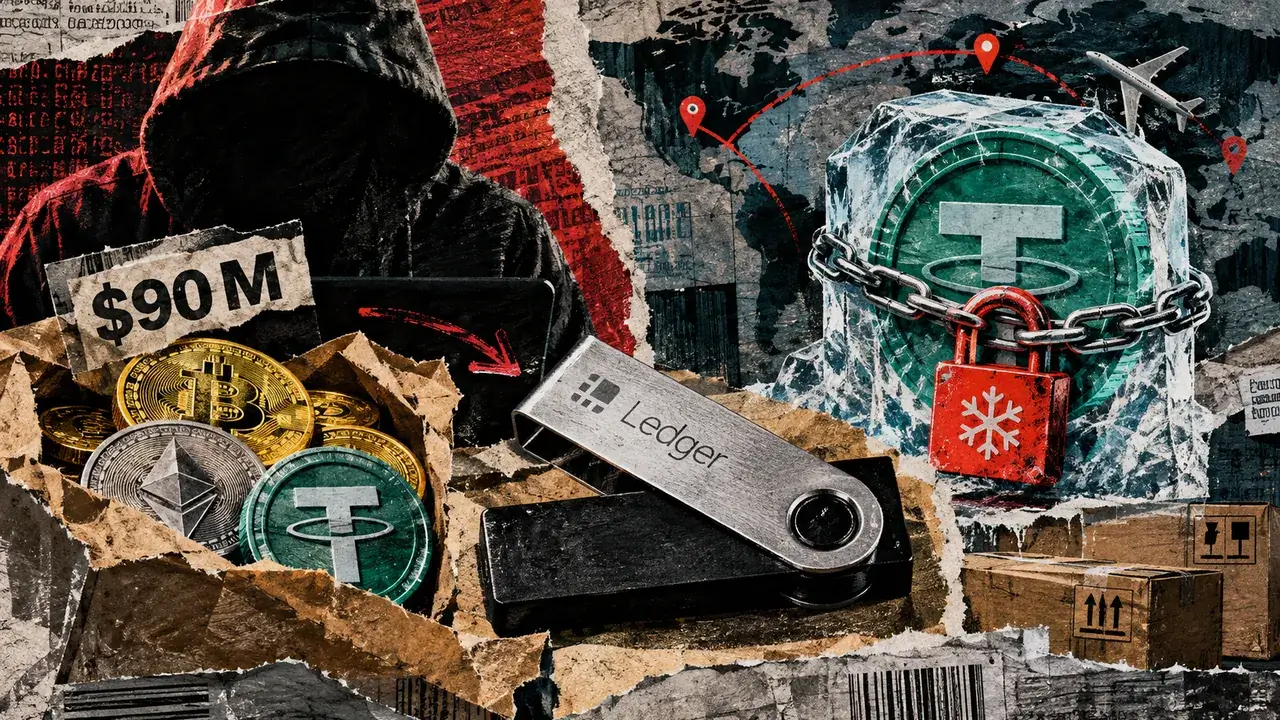
Ledger hack scare nears $90 million as Tether moves to freeze stolen USDT
Suspected Ledger wallet thefts are approaching $90 million as Tether freezes USDT stablecoin linked to the incident, according to...

Locked liquidity did not stop this $14 million crypto pool drain
The PancakeSwap pool for 79AU, 79thVault’s token, lost $14.35 million in USDT on Oct. 7 through two selling wallets, according to...
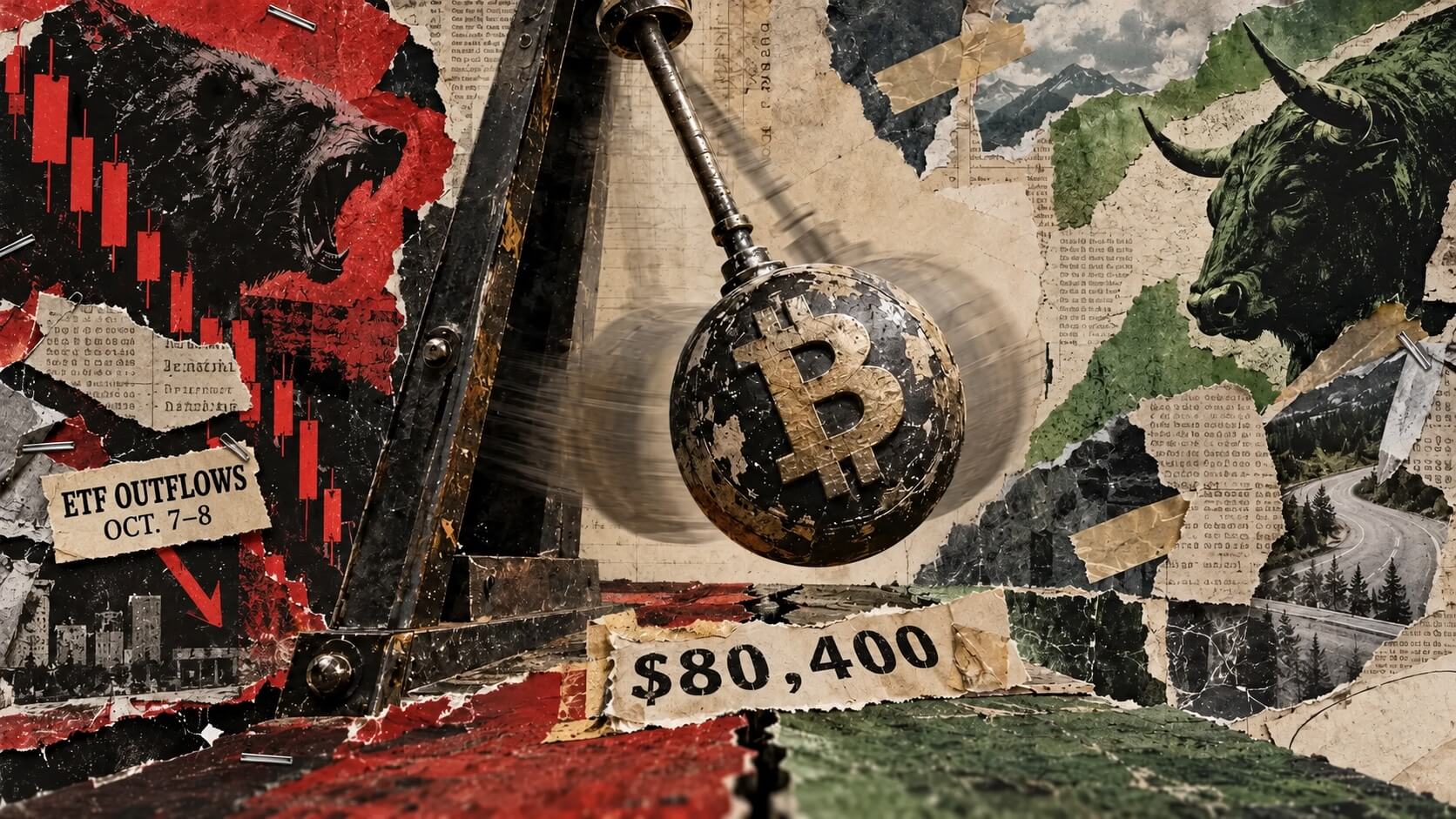
Bitcoin’s weekend rebound faces an $80,400 test after nearly $730 million in ETF outflows
Bitcoin traded near $82,900 in PerpFinder’s Oct. 10, 09:36 UTC snapshot, with traders watching whether the weekend rebound brings...

Stealing $1.5B in crypto is easy, cashing out is the trap
North Korean hackers stole around $1.5 billion from Bybit in February 2025. While the hack itself has been widely covered and anal...