Thailand’s stablecoin proposal would block transfers to other people’s wallets
Thailand’s Securities and Exchange Commission has proposed a same-owner requirement for stablecoin transfers that would sharply narrow how customers can move tokens such as USDT through licensed crypto firms. The measure...
Archive context
Older archive item. Useful for background and entity history, but not a fresh market-moving signal.
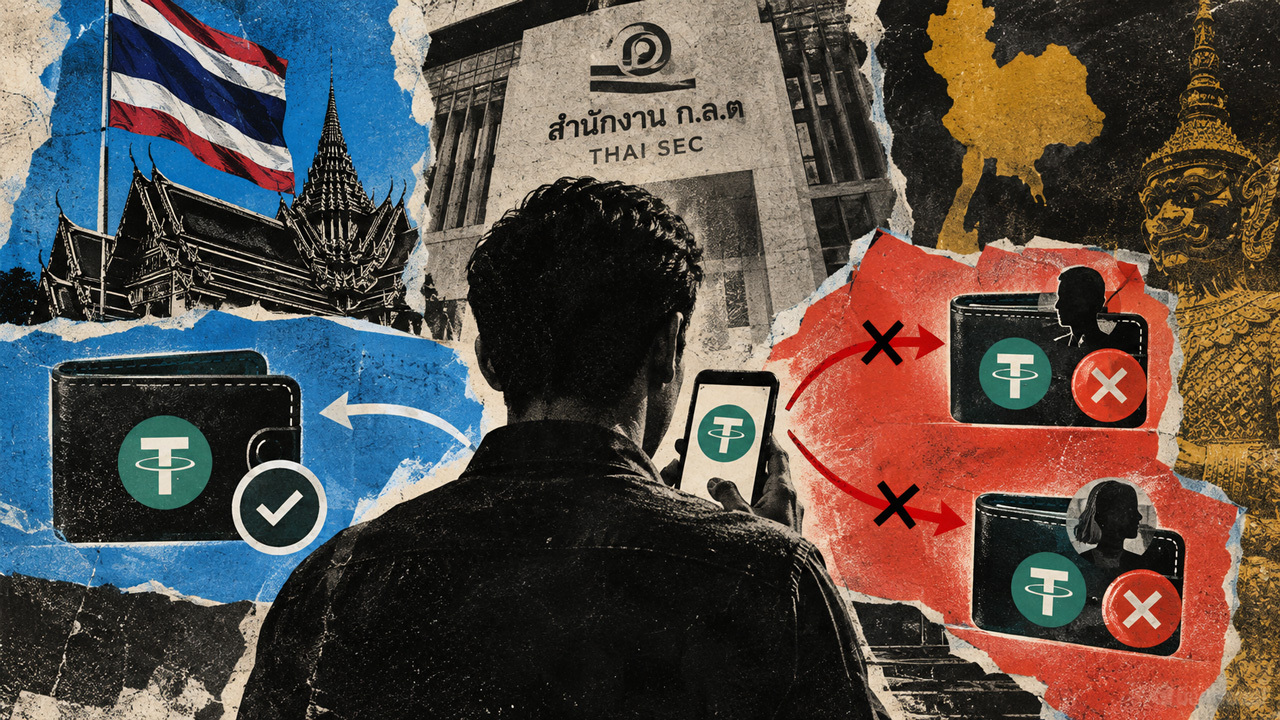
Thailand’s Securities and Exchange Commission has proposed a same-owner requirement for stablecoin transfers that would sharply narrow how customers can move tokens such as USDT through licensed crypto firms. The measure remains at the consultation stage and is not yet an operative rule.
Under the SEC Board-approved Sept. 3 consultation principles, stablecoins entering a customer account at a digital asset operator would have to come from an account or wallet verified as belonging to that customer. Withdrawals would likewise have to go to an account or wallet verified as the customer’s own.
The consequence is explicit: a stablecoin deposit from another person’s account, or a withdrawal to another person’s account, would be prohibited.
How the proposed ownership gate would workAs drafted, the restriction would stop a customer from using a Thai SEC-supervised platform to receive a transfer from someone else’s wallet or to send stablecoins to another person’s wallet. Its reach is limited to transfers conducted through supervised digital asset operators, rather than peer-to-peer transfers that take place entirely outside those firms.
Related Reading US starts clock to bring in ID checks for converting dollars to stablecoins but DeFi stays outside the rules
The proposal would also require stablecoin transfer values to be consistent with a customer’s income source and financial position. Inbound and outbound transfers would each be capped at 5 million baht per day, per person, per operator.
The cap would not apply to transfers between customer accounts through SEC-supervised operators when both firms comply with the Travel Rule. The Sept. 11 consultation also lists cap exemptions for specified operator business transfers, certain Bank of Thailand-authorized operators and stablecoin/baht market makers. It remains unclear whether that cap waiver would affect the separately stated same-owner test, and consultation could add implementation detail.
The SEC said it developed the measures after observing significant growth in stablecoin transaction volume and value, particularly involving USDT. It also cited patterns that it associated with risks tied to money laundering, cybercrime and the circumvention of rules governing international money transfers.
Related Reading Thailand's SEC gives Tether and USDC the green light for digital tradesThe ownership test would be separate from Thailand’s finalized Travel Rule. That rule requires digital asset operators to collect information about transfer parties, check counterparties and verify ownership or control of certain self-hosted wallets. It takes effect on Feb. 27, 2027.
Related Reading Thailand puts private wallets and offshore crypto transfers on notice in a major new crypto ruleAs described, the stablecoin proposal would add a stricter condition when a transfer crosses the boundary of a licensed operator: the outside sending or receiving account would have to belong to the platform’s customer, not another person.
On Sept. 11, the SEC opened the public consultation, with comments due by Sept. 25, 2026. It did not announce an effective date for the proposed stablecoin restrictions. Until final rules are issued, the same-owner restriction remains a proposal.
The post Thailand’s stablecoin proposal would block transfers to other people’s wallets appeared first on CryptoSlate.
Why this matters
SEC is showing up inside the Stablecoins theme, so this story is worth tracking for follow-through rather than treating it as a one-off headline.
Original source
Read on CryptoSlateRelated market context

Ripple and Circle backs OKX as it targets the next wave of stablecoin users
OKX brought Circle, Ripple and Standard Chartered’s venture arm onto its cap table as the crypto exchange broadens its push into s...

Bringin Opens Euro Business Accounts Built Around Self-Custody Bitcoin
TL;DR Bringin has opened an invite-only beta of euro business accounts for companies using Bitcoin and stablecoins. Businesses get...
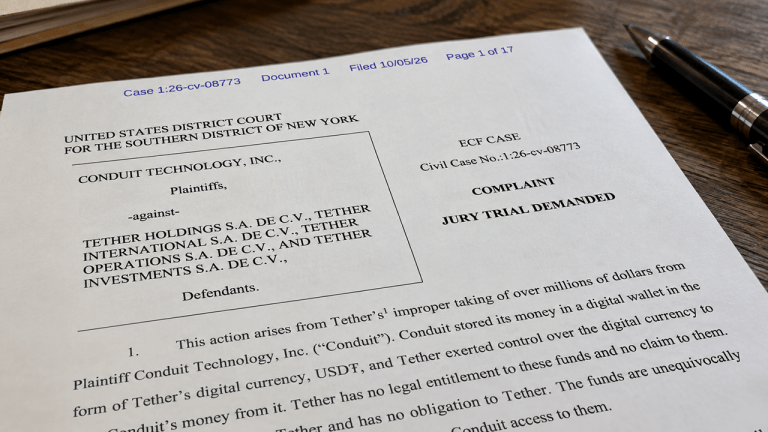
Conduit Sues Tether Over a $2.76M USDT Wallet Frozen for a Year
Conduit Technology has sued Tether after the stablecoin issuer froze $2.76 million in the company’s USDT and allegedly kept it loc...
Tether Hit With Lawsuit Over $2.76 Million Stablecoin Freeze
The payments firm alleges Tether froze its treasury wallet on its own initiative over a Brazilian investigation it has no connecti...

Conduit sues Tether over $2.76 million in frozen USDT
The lawsuit highlights potential counterparty risks in stablecoin transactions, raising concerns about asset control and legal rec...

Ether.fi Is Launching Its Own Stablecoin, With Ethena Running the Reserves
Ether.fi, which started as an Ethereum liquid staking protocol and now also runs a crypto card business, is launching its own U.S....