The Economics of On-Chain Governance: Incentives, Rewards, and Financial Sustainability
On-chain governance changes how decisions are made in decentralized systems. Unlike traditional ways involving discussions off the blockchain, on-chain governance uses the blockchain for decision-making. This process is...
Archive context
Older archive item. Useful for background and entity history, but not a fresh market-moving signal.

On-chain governance changes how decisions are made in decentralized systems. Unlike traditional ways involving discussions off the blockchain, on-chain governance uses the blockchain for decision-making. This process is done through smart contracts, which are self-executing agreements.
In on-chain governance, decisions and voting are programmed into smart contracts, making the entire process transparent and recorded on the unchangeable blockchain. This method aligns with decentralization, where power isn't held by a few individuals but distributed among the participants. This decentralization reduces the risks of central control and strengthens the security of blockchain networks.
A crucial aspect of on-chain governance is the role of economic incentives. Token holders actively participate in decision-making because they are economically motivated. In this setup, token holders aren't just bystanders; they have the power to shape the future of a blockchain project. This economic empowerment is a key feature of on-chain governance, promoting democracy and inclusivity within the community.
Economic Incentives in On-Chain Governance
At the heart of on-chain governance is a game-changing concept: tokenholder empowerment. This idea doesn't just mean owning tokens; it's about letting token holders actively take part in making decisions for decentralized systems.
Token holder empowerment goes beyond governance; it shapes how people engage with the community. Instead of being passive holders, people with tokens become active contributors, fostering a culture of collaboration. Unlike systems with a select group making decisions, on-chain governance creates a lively environment where the whole community's interests and ideas shape the project.
Besides participation, economic incentives play a big role in steering a blockchain project. How decisions are made in on-chain governance is closely tied to these incentives. Token holders, fueled by the promise of financial gains and their power, get involved in decisions that impact the project.
Reward Structures in On-Chain Governance
In on-chain governance, how we reward participants is a big deal—it shapes how people act and encourages them to get involved. There are two main types of rewards: staking rewards and voting rewards.
- Staking rewards means folks lock up their tokens for a while and get more tokens in return. This encourages them to stick around and take part in decision-making.
- Voting rewards, on the other hand, give tokens to those who actively vote on proposals.
Staking rewards creates a committed group of token holders who, enticed by the promise of more tokens, actively help secure the network. Voting rewards make on-chain governance more democratic by involving more people in decisions. This two-layered reward system makes the network more secure and ensures decisions reflect the diverse views in the community.
But there's a catch. Getting the balance right is crucial. While rewards are great for getting people involved, too much or an imbalance can cause problems. It might concentrate power in a few hands or lead to short-term decisions that hurt the project in the long run.
Tokenomics: The Economics of Governance Tokens
In on-chain governance, "tokenomics" is the economic rulebook for governance tokens work in a blockchain community. It's a mix of "token" and "economics," covering all the detailed rules that guide how governance tokens behave and how they impact the whole system.
Governance tokens are super important in on-chain governance because they're the tools people use to make decisions. How these tokens are given out is a big deal—it affects how decentralized and inclusive the network is.
Projects often plan how to give out tokens to ensure many people join in, avoiding the risk of one group having too much power. This smart sharing of governance tokens makes the on-chain governance system lively and strong.
Case Study: Orbs OIP-7 and Financial Implications
OIP-7 is like a real-life example that shows how decisions in on-chain governance can affect money matters and the overall health of a blockchain community. In 2022, the Orbs community decided to change things up and let the community have more say in big decisions about the Orbs Network. OIP-7 is the plan they came up with.
OIP-7 suggests using some of the ORBS tokens (the community's cryptocurrency) to give extra rewards to people who add new stakes to the network. The main goal is to get new folks excited and involved in making the Orbs Network safe and functional by staking their tokens. This plan, driven by the idea of giving rewards, aims to increase participation, make the community stronger, and add value for customers, users, and partners.
Now, let's look at the nitty-gritty of OIP-7. It introduces a rewards system where people get triple rewards (a 30% Annual Percentage Yield - APY) for new tokens staked in November and double rewards (20% APY) for December.
Financial Sustainability of On-Chain Governance
Ensuring the financial health of on-chain governance is like walking a tightrope—finding the right balance between keeping a blockchain project alive and staying true to decentralization principles.
It's not easy, and there are challenges. One big hurdle is ensuring the ecosystem stays financially sound without giving up the decentralized decision-making at the core of blockchain. Striking the right balance matters because focusing too much on money at the expense of decentralization can risk turning things too centralized, going against what blockchain is all about.
Projects that succeed in on-chain governance have figured out how to handle these challenges and secure their financial future. One tough part is finding ways to fund ongoing development and upkeep without messing up how the governance works.
This article was written by Anthony Clarke at www.financemagnates.com.Why this matters
This cryptocurrency story adds another data point to the current market tape and is useful when read alongside nearby source coverage.
Original source
Read on Finance MagnatesRelated market context

Porsche shuts down its Web3 project, but 911 NFT holders keep their tokens
Porsche's Web3 exit highlights the volatility and challenges brands face in sustaining NFT projects amid fluctuating market enthus...

BitMart Proposes Court-Backed Plan Offering Users Payouts or Tokens Tied to Its 2021 Hack
BitMart has published a preliminary plan for repaying its users, more than two months after the crypto exchange began winding down...

Binance Research projects tokenized equities could hit $349 billion by 2030
The projected growth of tokenized equities could significantly transform financial markets, emphasizing the importance of asset ut...
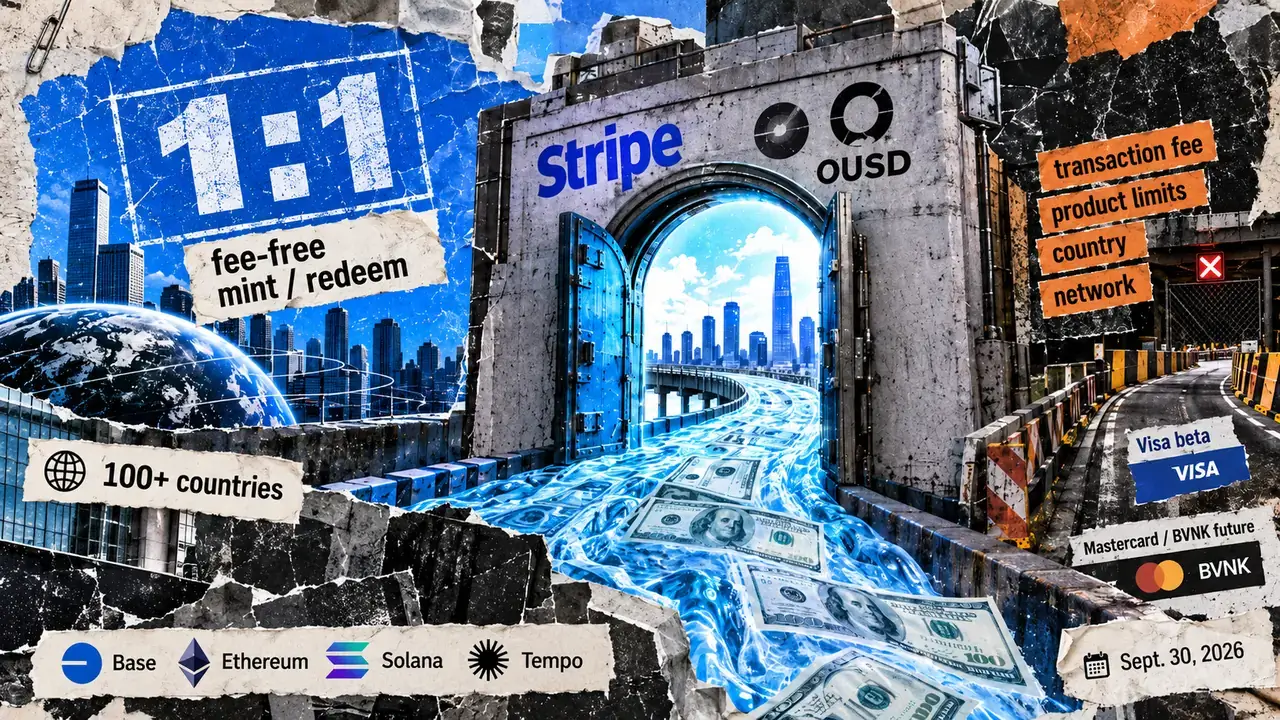
Open USD bets Stripe’s $1.9 trillion network can break USDT and USDC’s grip
Open USD, a new stablecoin backed by more than 200 organizations, has launched with about $468 million in circulation and a distri...
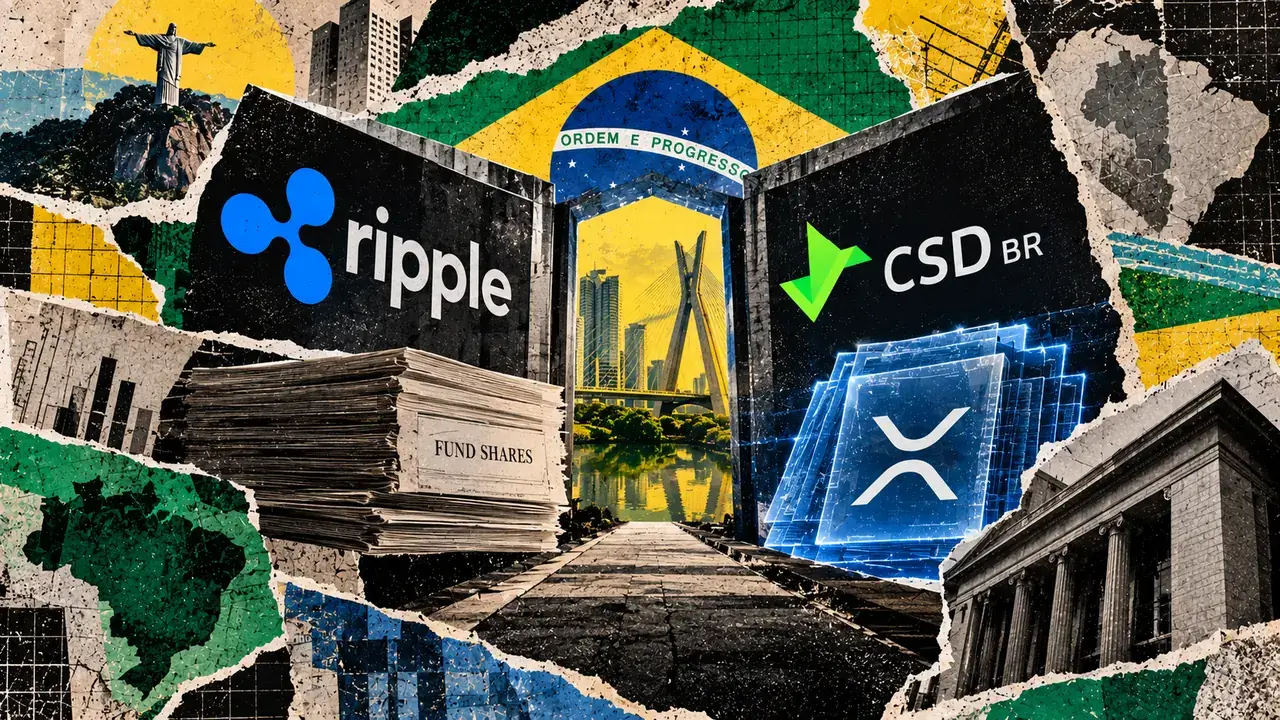
Ripple quietly made Brazil the center of its XRPL tokenization push
Ripple's Brazilian foothold spans cross-border payments and securities records in a country Chainalysis ranked first for grassroot...

SEC’s innovation exemption poses constraint on bringing stock tokens to US, Robinhood crypto chief says
Robinhood's Johann Kerbrat told The Block that Robinhood is still working through the SEC's latest innovation exemption on tokeniz...