The World Economic Forum Is Worried About Safety in the Metaverse
The World Economic Forum (WEF), one of the most influential international institutions, has expressed its worries about the safety of metaverse dwellers, especially younger ones. The group has raised a number of concerns...
Archive context
Older archive item. Useful for background and entity history, but not a fresh market-moving signal.
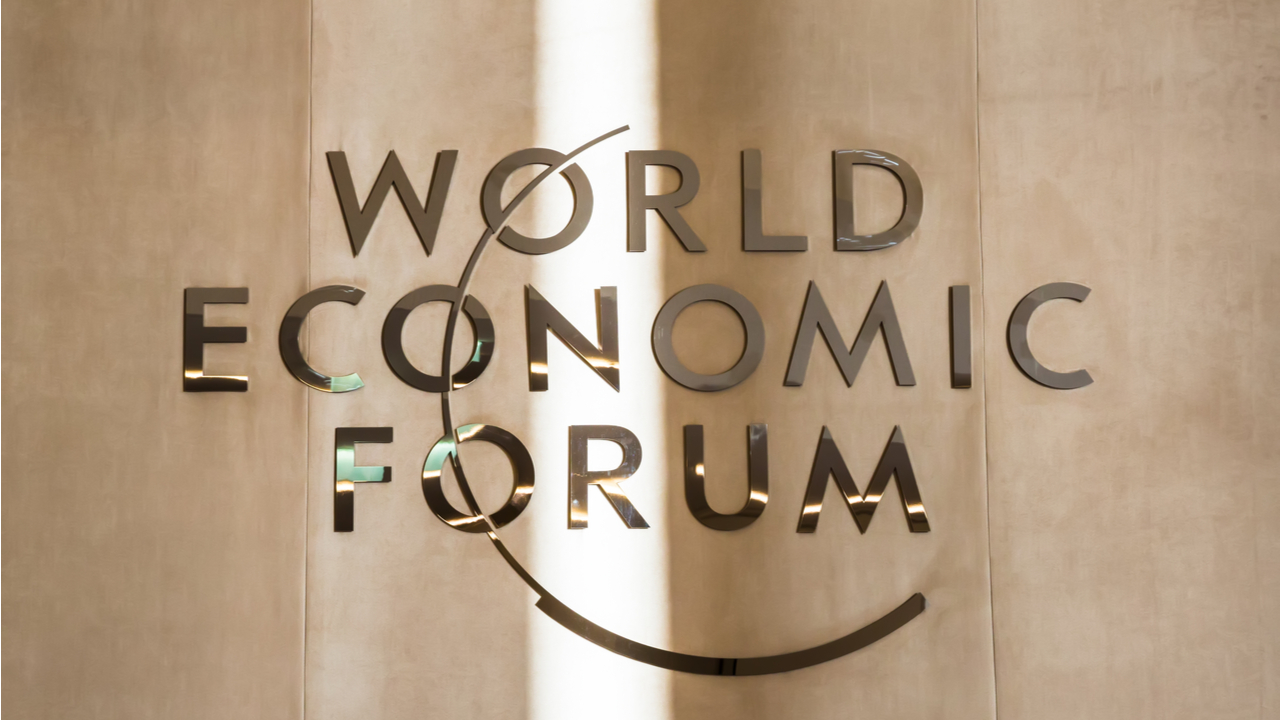
The World Economic Forum (WEF), one of the most influential international institutions, has expressed its worries about the safety of metaverse dwellers, especially younger ones. The group has raised a number of concerns regarding the anonymity and safety of young individuals in this upcoming alternate world, and has given a number of recommendations to preserve them.
World Economic Forum Puts Metaverse Child Safety FirstBig forums and institutions in the world are thinking about the implications that living a part of our lives in the metaverse might bring. The World Economic Forum (WEF), an “international institution for public private cooperation,” has expressed its worries about the safety of young individuals in the metaverse. In an article written as part of the Davos 2022 meeting of the forum, Mark Read, CEO of WPP, explains the growth of this sector and why building a safe metaverse is a priority.
The article conveys that while the metaverse is being promoted as an alternate world for everyone, due to its traits, gaming applications will be the ones garnering the most attention at first glance, which means that children will be the first exposed to these experiences. In this sense, it explains:
Children are in front of more games across more devices for longer – partly because of the pandemic. They are witnessing wide-ranging behaviour (including abuse, if they are not monitored). And monitoring itself is becoming so much more of a challenge.
How to Make the Metaverse a Safe SpaceThe Institution also made some recommendations about how to achieve this safety for younger people in the future of the metaverse. According to a survey made by Wunderman Thompson, 72% of the parents that know what the metaverse is are worried about the privacy of their children therein, and 66% are also worried about their safety.
In view of this, some companies have already started to produce walled and protected metaverse experiences designed especially for children. But in a multi-connected metaverse, this approach does not apply. The article notes that “we must learn how to design better algorithms and business models, and intervene well.” It explains:
Anticipating new behaviors should surely be part of the mix. The metaverse enables immersive, 3D digital experiences and actions not seen before, but we are also seeing a new set of behaviors, some of them worrying, and many of which should not surprise us.
Companies are already building metaverse experiences for kids. In April, Epic Games announced a partnership with Lego to produce a joint metaverse, allowing children to be entertained by building their own experiences. Epic Games owns Superawesome, a company that deals with maintaining these experiences safely for children.
What do you think about the worries that the World Economic Forum has about children’s safety in the metaverse? Tell us in the comments section below.
Why this matters
This cryptocurrency story adds another data point to the current market tape and is useful when read alongside nearby source coverage.
Original source
Read on Bitcoin NewsRelated market context
Binance expects to partially deploy SAFU fund within 24 hours after $6.3 billion breach
The breach highlights the critical need for robust security measures and contingency planning in crypto exchanges to protect user...
CZ thanks Thai partner Gulf for backing Binance through two crises
The partnership highlights the importance of strategic alliances in crisis management, ensuring operational stability and user con...

Ripple and Trump’s World Liberty Help Freeze Binance Hacker’s Loot
Ripple froze about $200 million and World Liberty Financial froze $27 million in USD1 tied to the Binance hack, joining Tether, Ci...

Polygon Extends Open Money Stack to Solana for Stablecoin Payment Flows
TL;DR: The company said customers can fund accounts through bank transfers, cards, cash or digital assets, then route supported to...

Binance Details $6.3B Hot-Wallet Breach as Exchange Pledges to Cover Losses
TL;DR: The company reported approximately $3 billion of affected assets frozen on-chain through coordination with issuers, investi...

Worried About Crypto Hacks? Buy Bitcoin Proxies in Stock Market Instead, Say Wall Street Firms
Analysts at Cantor Fitzgerald, TD Cowen and Compass Point say the record $6.4 billion theft is a Binance security failure, not a c...