There’s an Insatiable Urge to Burn Crypto — A Look at Why Projects Burn Tokens and the Benefits
In recent times, cryptocurrencies that burn tokens have been very popular and a number of well known blockchain projects have destroyed large sums of digital assets. While a number of crypto projects have different burn...
Archive context
Older archive item. Useful for background and entity history, but not a fresh market-moving signal.
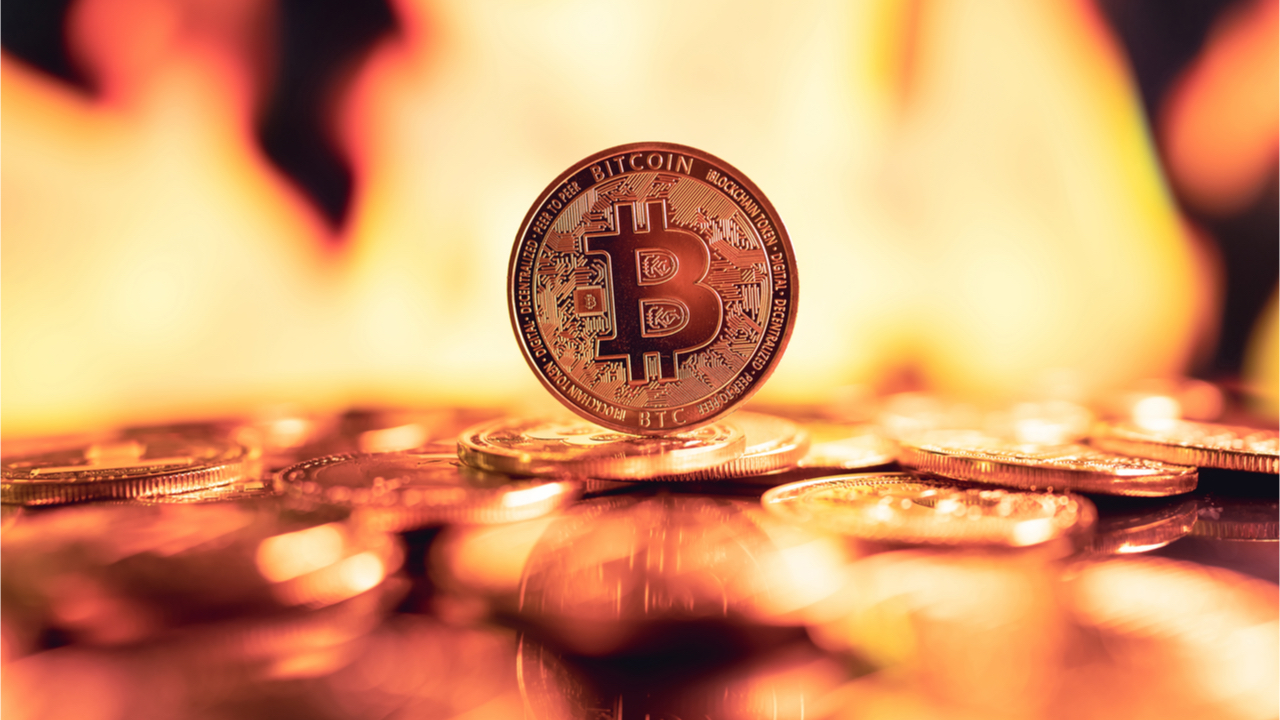
In recent times, cryptocurrencies that burn tokens have been very popular and a number of well known blockchain projects have destroyed large sums of digital assets. While a number of crypto projects have different burn schemes, the overall effect is usually the same, as destroying tokens reduces the circulating supply.
Blockchain Projects Burn Tokens for Specific Benefits and Objectives
Burning tokens has been a popular trend and articles often highlight specific projects like Ethereum, Terra, Shiba Inu, and many more that have destroyed large sums of native tokens.
$SHIB burn portal is a huge success!👺🔥
— Shiba Inu to $1 (@ShibInform) April 28, 2022
Six days ago, Bitcoin.com News reported on the Shiba Inu (SHIB) developers launching a burn portal, which allows shiba inu holders to burn their stash of SHIB. In that particular case, SHIB burners are rewarded for destroying their tokens. SHIB currently has a burn rate of around 180.18% during the past 24 hours.
1/ The on-chain votes for proposals 133 and 134 to burn the 88.675 million Pre-Col-5 $LUNA in the Community Pool (~$4.5 billion), swapping for $UST using the on-chain swap, and reducing the oracle_rewards_pool distribution window from 3 to 2 years have now passed!
— Terra (UST) 🌍 Powered by LUNA 🌕 (@terra_money) November 10, 2021
During the first week of November 2021, the Terra (LUNA) team of developers burned 88.7 million LUNA and projects like Ethereum (ETH) burn native tokens every minute of the day. For instance, after the implementation of the Ethereum Improvement Proposal (EIP) 1559, more than 2.17 million ether has been destroyed forever.
76,100 #BNB ($35,060,900) has been burned since the BEP-95 real-time burning upgrade 🔥
— BurnBNB (@BurnBNB) April 27, 2022
Just like SHIB, Ethereum has a burn rate as well, as metrics show over the last 60 minutes, 135 ether was burned, and during the last 24 hours, 4,477 ETH has been destroyed. The Binance digital asset BNB has a scheduled burn process and the project has destroyed coins to reduce the overall supply.
The process has been leveraged by a number of cryptocurrency network developers and the community has grown fond of the process. Burning tokens, however, does not mean the tokens get engulfed in flames in the literal sense.
Most projects burn tokens by simply sending the digital currencies to a dead address. The address is simply a black hole of funds as no one has the private keys to the addresses used in the destruction process, which is simply sending coins to the null address.
Once the tokens are sent to the null address, the coins are unretrievable and will never be used again. Digital currency burn schemes have been around for years and the project Counterparty is one of the oldest to deploy the burn mechanism idea.
In fact, Counterparty burned bitcoin (BTC) to bootstrap the project. “All XCP that will ever exist were given out proportionally to those who recognized Counterparty’s value and were ready to “burn” their bitcoins to participate in Counterparty,” the project explains in a blog post about the proof-of-burn process.
Burning tokens includes a number of benefits, and some algorithmic stablecoin protocols leverage the burn process to distribute stablecoin assets in an autonomous fashion. While Counterparty used a proof-of-burn to bootstrap XCP, most blockchain projects burn coins to reduce the token’s overall supply.
In a way, burning tokens is similar to a share buyback in traditional equity markets. Removing coins from the circulating supply makes the crypto asset scarce and the scarcity aims to make the rest of the coins in circulation more valuable.
What do you think about crypto asset projects that employ the proof-of-burn process or burn tokens to reduce the coin’s overall circulating supply? Let us know what you think about this subject in the comments section below.
Why this matters
This cryptocurrency story adds another data point to the current market tape and is useful when read alongside nearby source coverage.
Original source
Read on Bitcoin NewsRelated market context
Ethereum Client Updates Address Certificate Risk in Teku and Besu
TL;DR: Ethereum software teams have published updates addressing trust-store exposure tied to compromised certificate-authority ke...

Shopify’s Base USDC Checkout Puts Stablecoins Into Mainstream E-Commerce
TL;DR: The case study referenced more than $42 million of net settled payments and over 448,000 payments on the underlying Commerc...
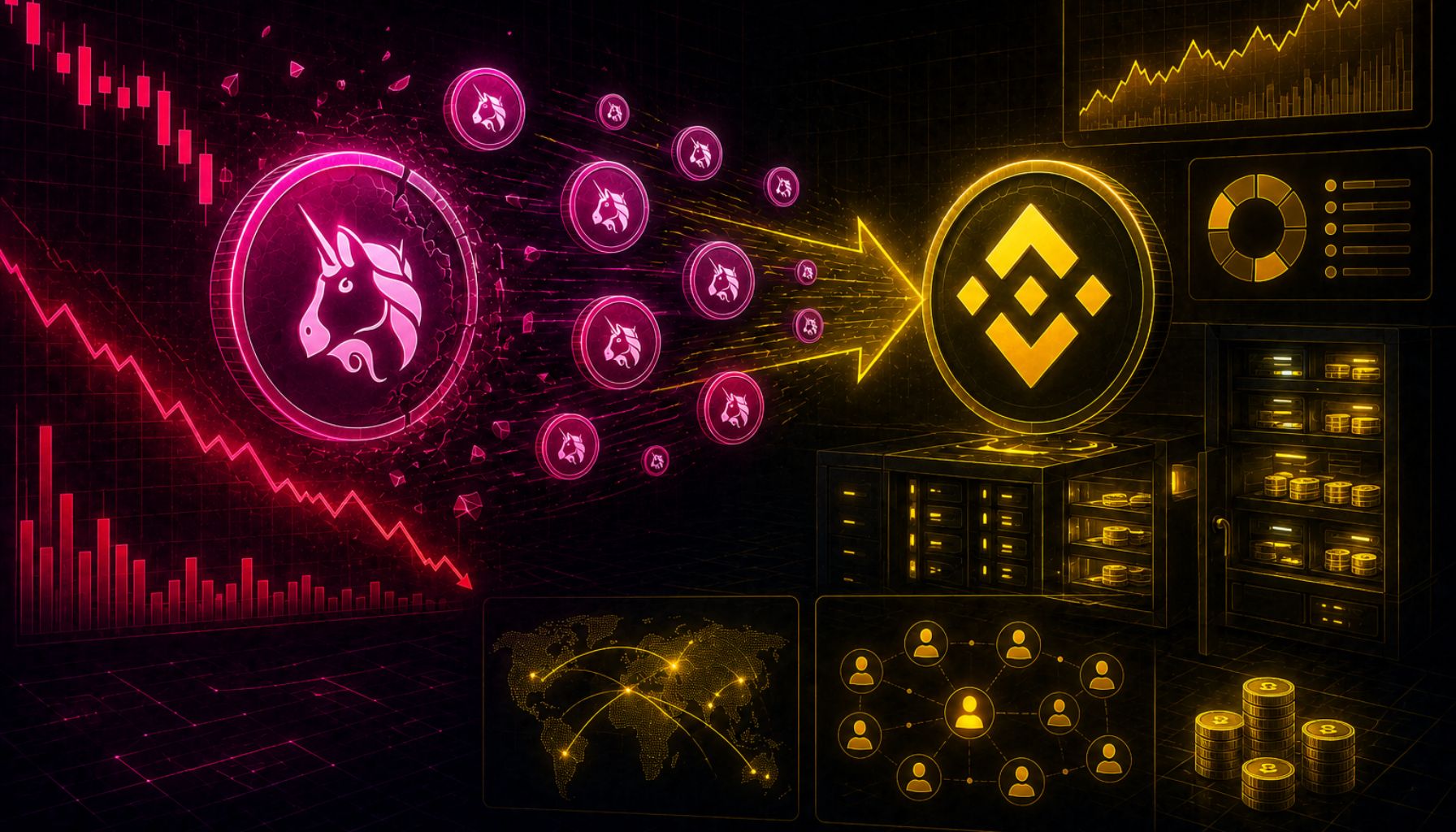
Uniswap Opens TJAR Fee Conversion Beyond Protocol as Robinhood Joins
TL;DR: Searchers compete to exchange the chosen payout token for assets accumulated in the jar. Open searcher competition does not...

Who Profits When Hyperliquid Hits the US?
Intercontinental Exchange (ICE), the company that owns the New York Stock Exchange, agreed on Thursday to run a regulated US marke...

FBI confirms North Korea's role in $6 billion Binance hack, asks DeFi community to block BTC, ETH, SOL addresses
While the FBI listed hundreds of addresses in its notice, Chainalysis said the Binance attackers have already used "thousands addr...
Circle redeems roughly $11.7 billion in USDC as supply slips to $70 billion
Circle's USDC supply decline may impact its revenue, as reduced circulation limits interest income from reserves, affecting shareh...