Trump pauses some tariffs, boosts China's
United States President Donald Trump issued a 90-day pause on "reciprocal tariffs" and lowered the tariff rate to 10% on countries that do not retaliate with counter-tariffs.The president also said he would increase the...
Archive context
Older archive item. Useful for background and entity history, but not a fresh market-moving signal.

United States President Donald Trump issued a 90-day pause on "reciprocal tariffs" and lowered the tariff rate to 10% on countries that do not retaliate with counter-tariffs.
The president also said he would increase the reciprocal tariff rate on China to 125% due to the country's counter-tariffs against the US. Trump wrote in an April 9 Truth Social post:
"At some point, hopefully, in the near future, China will realize that the days of ripping off the USA, and other Countries, is no longer sustainable or acceptable."According to data from TradingView, the S&P 500 index rallied close to 7% following the announcement, showcasing the high volatility of capital markets amid the macroeconomic uncertainty and the potential for a protracted trade conflict.
Source: Donald Trump
Related: Trump tariff negotiations are ‘all about’ China deal — Raoul Pal
Markets experience high volatility following every Trump announcementCapital markets are currently experiencing extraordinarily high volatility, swinging between price extremes in response to tariff announcements made by President Trump.
The stock market wiped away trillions of dollars in shareholder value within days of Trump signing the reciprocal tariff order, only for the pendulum to swing the other way every time a pause in the tariffs was announced or Trump walked back his rhetoric.
On April 7, rumors began circulating on social media that Trump was considering a tariff pause, triggering the US stock market to rally and add $2 trillion in value in hopes of a pause.
Stocks rebound following Trump’s tariff pause. Source: TradingView
The volatility index, a measure of the S&P 500 stock market index's volatility, broke above 60 on April 7 — the highest level since the unwinding of the yen carry trade in August 2024.
At the time of this writing, the VIX had dropped to 37.5, which still signals extreme market volatility despite the dramatic drop in the last two days.
The Volatility S&P 500 Index dropped dramatically following Trump’s tariff pause announcement but remains elevated. Source: TradingView
BitMEX founder and market analyst Arthur Hayes recently predicted that a devaluation of the Chinese yuan as a response to the Trump administration's trade tariffs could spark capital flight into crypto.
Hayes added that devaluations of the yuan led to Chinese investors shifting capital from traditional investments into digital assets in 2013 and 2015.
Magazine: DeFi will rise again after memecoins die down: Sasha Ivanov, X Hall of Flame
Why this matters
This cryptocurrency story adds another data point to the current market tape and is useful when read alongside nearby source coverage.
Original source
Read on CointelegraphRelated market context

CFTC Sent Crypto Market Structure Rulemaking to the White House Two Days After Clarity Act Failed
The Commodity Futures Trading Commission has begun writing crypto market rules without Congress. On Thursday, the agency filed “Re...
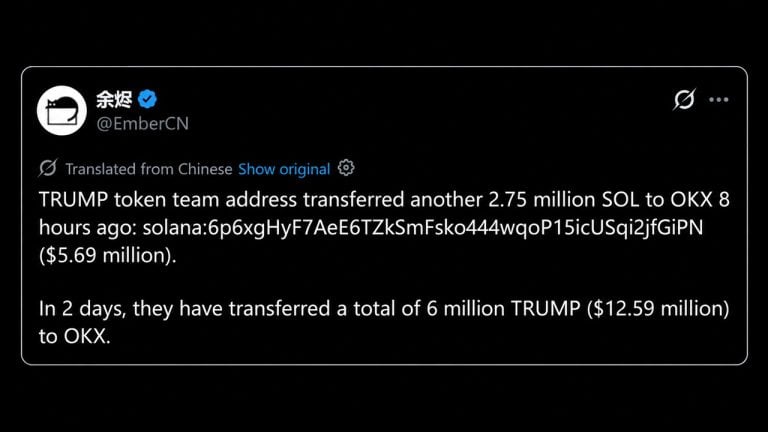
Trump Memecoin Team Sends 8.4M TRUMP to OKX as Bitcoin Price Nears $85K
Wallets tied to the Official Trump memecoin team have routed about 8.4 million TRUMP, worth roughly $18 million, into OKX deposit...

Venezuelan delegation led by interim president Rodriguez discusses energy, debt, and mining in US
The US-Venezuela talks could reshape global energy and mineral supply chains, impacting geopolitical alliances and economic depend...

Coinbase’s tokenized stocks on Base see 97-fold holder increase in 30 days
The rapid growth in tokenized stock holders on Base suggests increasing global interest in blockchain-based financial assets. The...
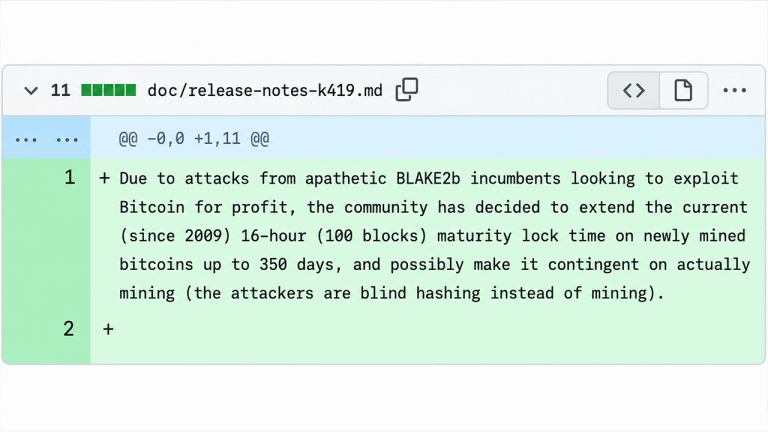
BLAKE2b Bitcoin Fork Wants Miners to Wait 45 Days to Touch Their Coins
The developers who maintain the minority chain that forked away from Bitcoin on Aug. 8, 2026, plan to make it so miners cannot unl...
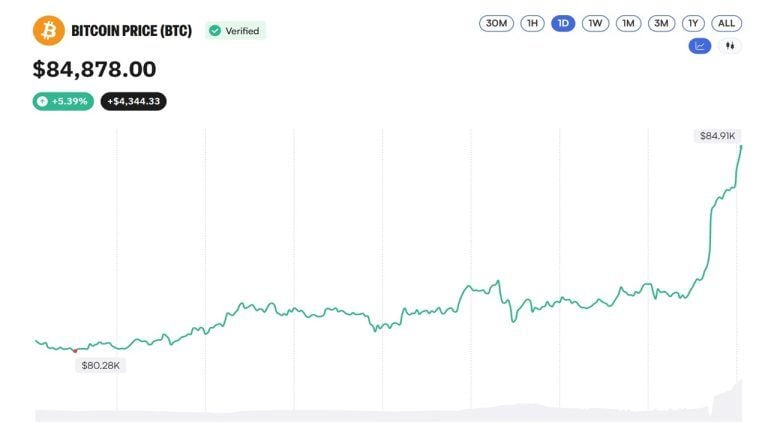
Bitcoin Price Taps $85K, But the Coinbase Premium Index Just Went Negative
Bitcoin’s price broke $85,200 earlier today for the first time in over eight months, yet the Coinbase Premium Index, the market’s...