Ukraine President Zelensky Returns Law ‘On Virtual Assets’ to Parliament
The Ukrainian president has sent the recently adopted law “On Virtual Assets” back to the Verkhovna Rada, the country’s legislature. The head of state has come up with his own suggestions and opposed the establishment of...
Archive context
Older archive item. Useful for background and entity history, but not a fresh market-moving signal.
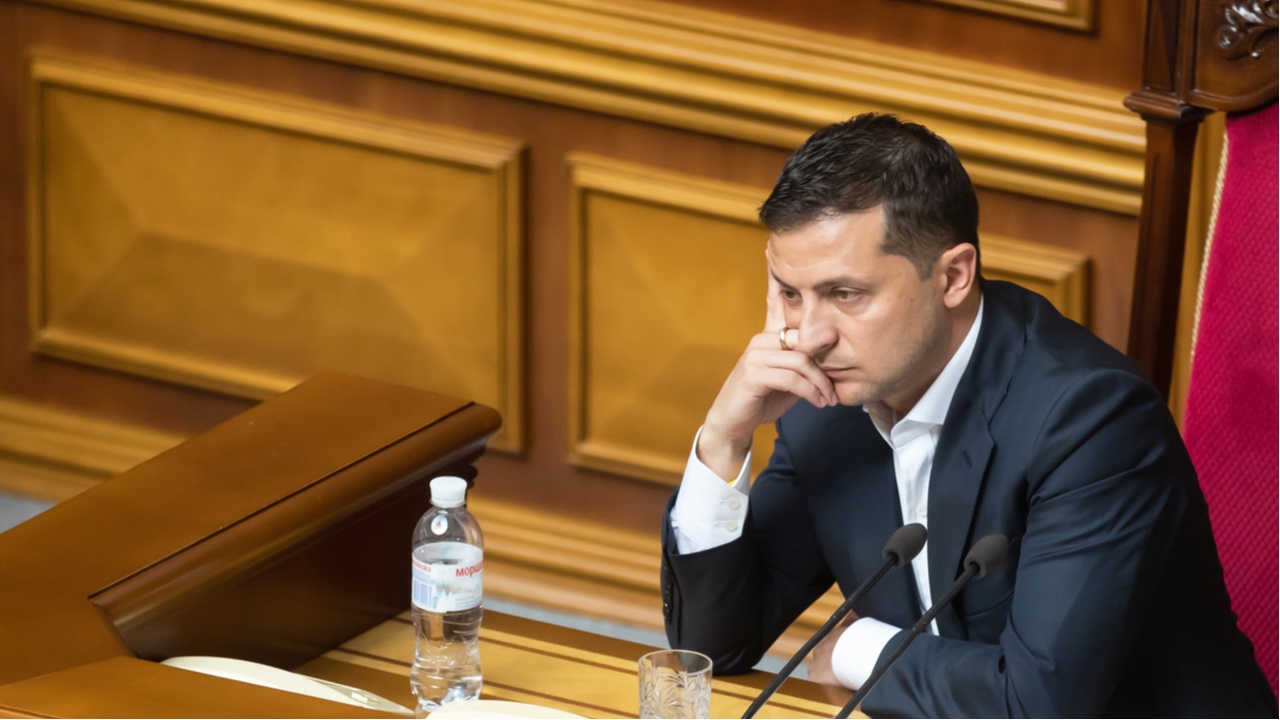
The Ukrainian president has sent the recently adopted law “On Virtual Assets” back to the Verkhovna Rada, the country’s legislature. The head of state has come up with his own suggestions and opposed the establishment of a new regulatory body that would require additional financing.
Setting Up New Crypto Market Regulator Will Be Expensive, Zelensky WarnsUkrainian parliament adopted the long-awaited law “On Virtual Assets” in early September when lawmakers approved the bill on second and final reading. The legislation, designed to regulate crypto-related activities in the country, passed its first reading last December, after which it was revised and presented again in the Rada in June of this year.
In order to enforce the new legislation, authorities in Kyiv need to make amendments to the Tax Code and get the president to sign the virtual assets law. However, Volodymyr Zelensky has decided to return it to Ukrainian deputies and request certain changes.
Besides introducing key legal definitions pertaining to cryptocurrencies, such as “financial virtual assets,” the document also allocates responsibilities among government institutions expected to oversee the circulation of digital assets under Ukraine’s jurisdiction. For instance, if the assets are backed by currencies, they will be regulated by the National Bank of Ukraine (NBU), and if the underlying asset is a security, the National Securities and Stock Market Commission (NSSMC) will be tasked with the job.
The law “On Virtual Assets” also envisages the establishment of a new regulatory body for the crypto market, subordinate to the executive power. That, according to Zelensky, “will require significant expenditures from the state budget,” the Ukrainian presidency explained in an announcement providing his motives to ask for further revisions to the bill. The head of state proposes the NSSMC take charge of these duties instead.
The newly adopted legislation recognizes virtual assets as intangible goods and divides them into two main categories: secured and unsecured. Cryptocurrencies will not be accepted as a legal means of payment in Ukraine and their direct exchange for other goods or services will not be permitted.
The bill introduces a licensing regime for crypto service providers which means that exchanges and other digital asset platforms will need authorization from the Ukrainian Ministry of Digital Transformation to operate in the East European nation. The legislation does not determine the legal status of mining but it doesn’t prohibit it either. The upcoming tax amendments will address accounting procedures applicable to the various crypto-related activities.
Do you expect Ukrainian lawmakers to accept President Zelensky’s proposals and amend the law “On Virtual Assets”? Let us know in the comments section below.
Why this matters
This cryptocurrency story adds another data point to the current market tape and is useful when read alongside nearby source coverage.
Original source
Read on Bitcoin NewsRelated market context
National Fraternal Order of Police Gives Green Light to Clarity Act in Latest Support for Crypto Bill
Bitcoin Magazine National Fraternal Order of Police Gives Green Light to Clarity Act in Latest Support for Crypto Bill The Nationa...
Morgan Stanley Bitcoin ETF Nearly Notches $400M in Assets
Bitcoin Magazine Morgan Stanley Bitcoin ETF Nearly Notches $400M in Assets Wall Street giant Morgan Stanley Bitcoin exchange-trade...
State Department to Debut Freedom Tech Program with Bitcoin Policy Institute, Palantir as Founding Partners
Bitcoin Magazine State Department to Debut Freedom Tech Program with Bitcoin Policy Institute, Palantir as Founding Partners The U...

SEC Enforcement Deputy Sam Waldon To Step Down As Agency Reshuffles Leadership
Sam Waldon, the Principal Deputy Director of the SEC’s Division of Enforcement, will leave the agency on July 31, 2026, marking a...
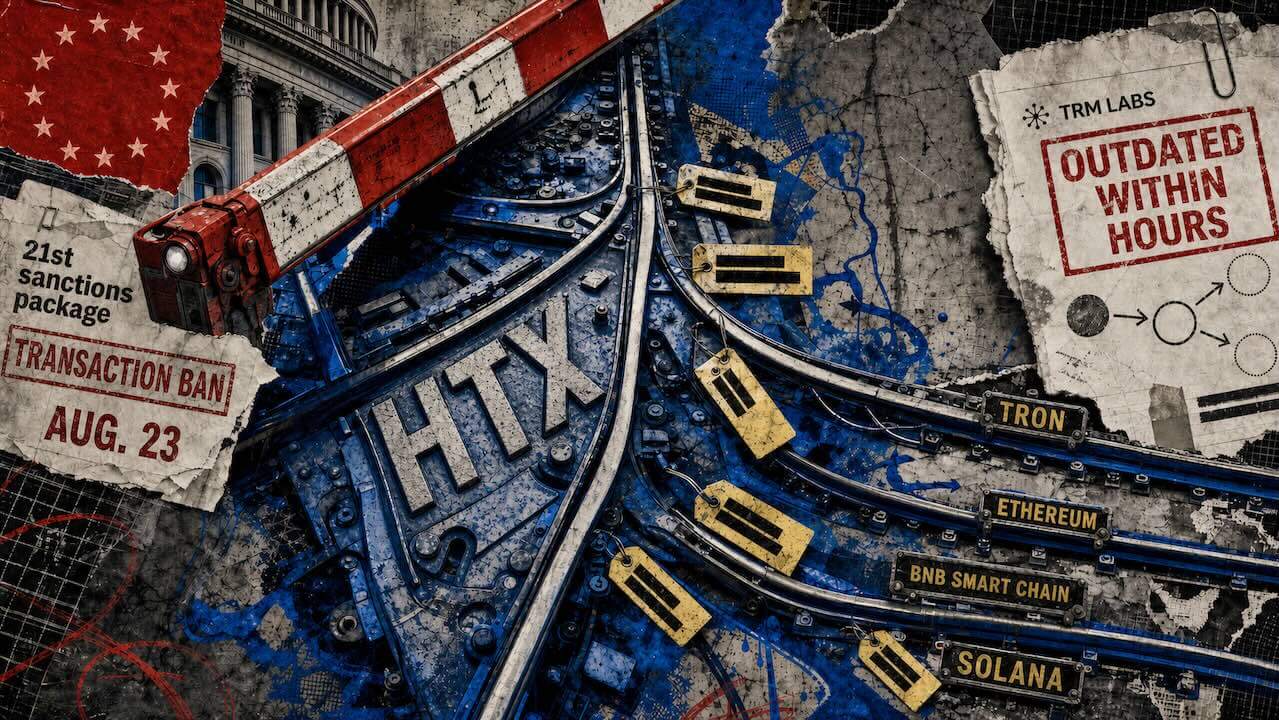
EU expands HTX crackdown as Russia-linked crypto network keeps shifting its financial rails
The European Union has sanctioned HTX, widening a Russia crackdown that has already affected counterparties beyond the exchange. T...

CLARITY Act Delay Shows Crypto Market Structure Fight Is Not Over
The CLARITY Act appears unlikely to move through the Senate before the August recess, slowing the crypto market structure push at...