Ukraine’s New Fiat Restrictions to Boost Popularity of Crypto, Industry Says
The central bank of Ukraine has adjusted the fixed exchange rate of the national currency in U.S. dollars and introduced stricter limits on hryvnia transactions for citizens. The measures are likely to turn more Ukrainia...
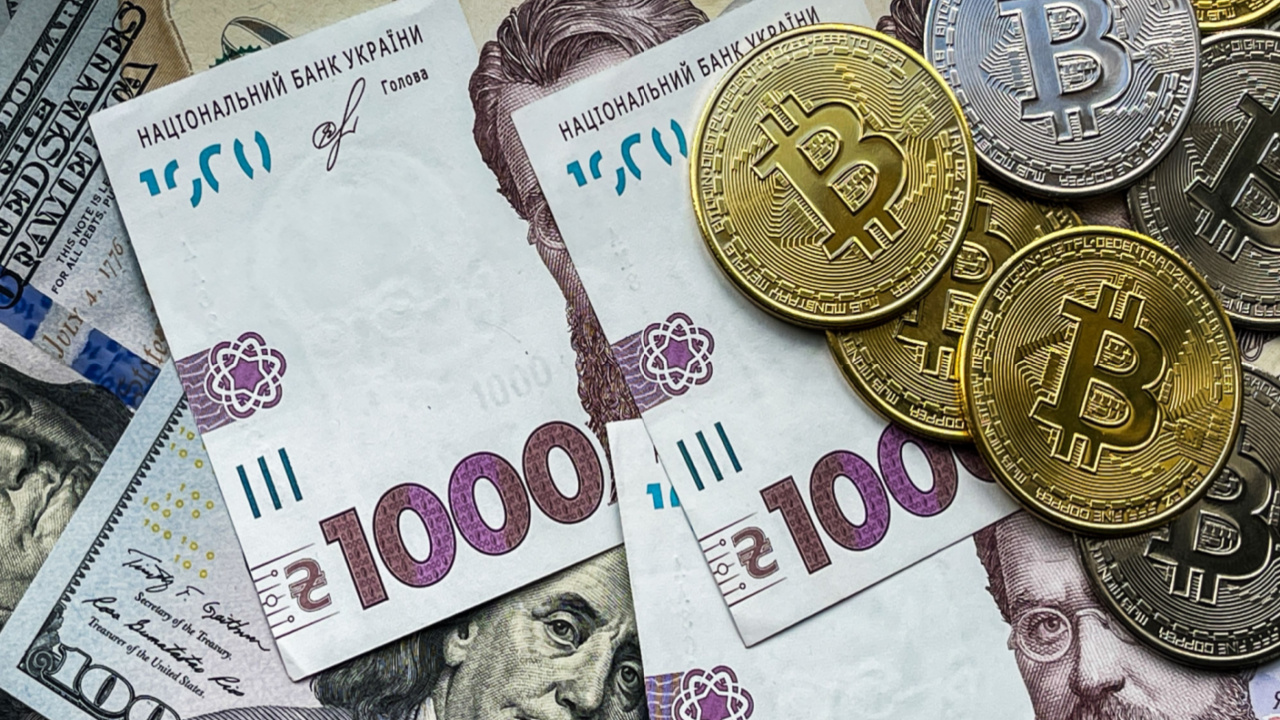
The central bank of Ukraine has adjusted the fixed exchange rate of the national currency in U.S. dollars and introduced stricter limits on hryvnia transactions for citizens. The measures are likely to turn more Ukrainians to cryptocurrencies, according to a representative of the local crypto sector.
War-Time Hryvnia Limits Expected to Increase Interest in Cryptocurrency
The National Bank of Ukraine (NBU) has introduced new rules in response to the changing fundamentals of the country’s economy during an ongoing military conflict with Russia. The monetary authority devalued the Ukrainian hryvnia against the strong U.S. dollars by 25% on Thursday and set new limits on banking operations with the national fiat.
According to the updated regulations for private individuals, enforced on July 21, banks can sell non-cash foreign currency to their customers only if the amounts are deposited for a period of at least three months, without an option to terminate the contract.
The 50,000-hryvnia ceiling for withdrawals from payment cards has now been substituted with a weekly limit of 12,500 ($340). Peer-to-peer transfers abroad from cards issued by Ukrainian banks have been cut from 100,000 hryvnia (approx. $2,700) to 30,000 hryvnia ($800). And the limit for cross-border settlements with hryvnia cards has been set at 100,000 per month.
All the measures introduced since the beginning of the war are temporary and allow the economy to survive, assured NBU Governor Kirill Shevchenko. However, they are seriously affecting Ukrainians, especially those millions of the nation’s citizens who have been forced to leave the country and are still unable to return.
The latest NBU restrictions may lead to a surge of Ukrainians’ interest in cryptocurrencies, the founder of the Ukrainian crypto exchange Kuna, Mikhail Chobanyan, commented for the crypto news outlet Forklog. “We expect an increase in turnover and use of cryptocurrencies. In Europe, 100,000 hryvnias is nothing,” the entrepreneur added.
Chobanyan also noted that the new limits will hinder the work of volunteers, since most of the humanitarian assistance is purchased with cards issued by Ukrainian banks and owned by individuals. “Now we will completely switch these flows to crypto,” said Chobanyan who described the central bank’s policy as aggressive and warned that Ukrainian banks and the state budget will be the losers.
Do you agree that many Ukrainians will turn to crypto amid increasing restrictions on fiat transactions? Tell us in the comments section below.
Original source
Read on Bitcoin NewsRelated market context

Japan Three Biggest Banks Unite to Launch Yen Crypto Stablecoin by March 2027
MUFG Bank, Mizuho Bank, and Sumitomo Mitsui Banking Corporation have established a formal joint council to develop and co-issue a...

Banks are buying Bitcoin vaults, but a quantum problem may be waiting inside
The banks are finally buying the vaults. In May, BNY, the world's largest custodian with $59.4 trillion in assets under custody an...

The future of vaults: neobanks and invisible DeFi
The following is a guest post and opinion from Vincent Maliepaard, VP of Marketing at Sentora. On January 26, 2026, Kraken launche...

Carlos Domingo: The DTCC is repeating telecom’s mistakes, banks need the Clarity Act more than crypto, and stablecoins set the benchmark for tokenized assets | The Wolf Of All Streets
Financial institutions must choose between proprietary systems or embracing open blockchain technologies for future growth. The po...

Kraken named to FXC Intelligence’s 2026 Cross-Border Payments 100
TL;DR Payward and Kraken have been named to FXC Intelligence’s 2026 Cross-Border Payments 100, the eighth annual market list of th...

SEC targets 20-year-old rule standing between Wall Street and blockchain trading
The Securities and Exchange Commission (SEC) is moving to dismantle a stock-trading rule that has governed Wall Street for two dec...