Ukraine’s Tascombank Pilots Stellar-based E-hryvnia
Tascombank, one of the oldest banking institutions in Ukraine, has completed the pilot testing of a digital currency based on the Stellar network. The bank believes that its electronic money platform represents an econom...
Archive context
Older archive item. Useful for background and entity history, but not a fresh market-moving signal.
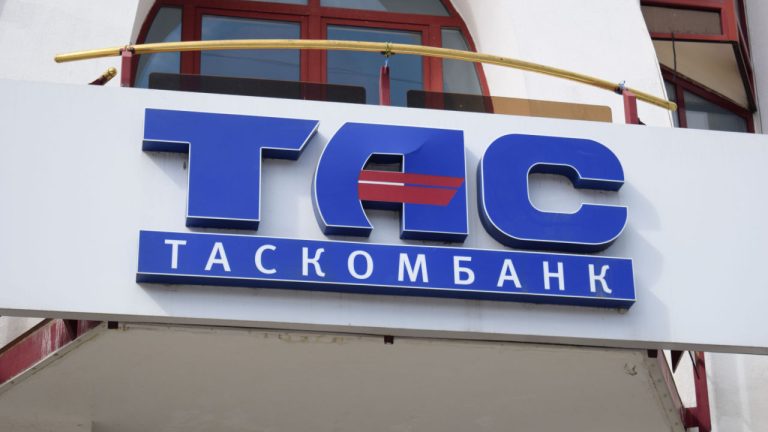
Tascombank, one of the oldest banking institutions in Ukraine, has completed the pilot testing of a digital currency based on the Stellar network. The bank believes that its electronic money platform represents an economically viable implementation of blockchain technology.
Tascombank Conducts Tests With New Ukrainian Digital CurrencyAn “electronic hryvnia” has been tested by Ukraine’s Tascombank during the pilot phase of a project to create a currency with the Stellar network. During the trials, the coin was used in settlements between buyers and sellers, the financial institution announced in a report.
Operations with the new digital asset were carried out in accordance with the current know-your-customer and anti-money laundering procedures, the bank pointed out in the document, quoted by the crypto news outlet Forklog.
Tascombank also emphasized its research demonstrated a number of advantages of employing blockchain, including transparency at all stages of circulation and between all participants in the transactions, increased security and confidentiality for user data, low costs, and high capacity.
The electronic money circulation scheme studied during the pilot is an economically viable business model for using blockchain technology, the authors of the report elaborated, stating that they “consider the pilot project successful and promising in terms of further product development and implementation.”
The bank added that it plans to continue its studies on the issuance and circulation of blockchain-based electronic money. One of the areas its future research is going to cover will be the possible use of such currency in retail non-cash payments.
Tascombank also revealed that the National Bank of Ukraine (NBU) believes the results of its pilot, which was launched at the end of 2021, can be used by experts at commercial and central banks to conduct further analysis.
In January of 2021, the Ministry of Digital Transformation in Kyiv chose the Stellar Development Foundation as a partner in the development of the country’s virtual assets ecosystem, including infrastructure for NBU’s central bank digital currency (CBDC). In November, last year, the NBU presented a “draft e-hryvnia concept” to members of the crypto industry, banks, and other financial institutions.
Do you think currencies like Tascombank’s e-hryvnia can be introduced in parallel with government-issued CBDCs? Share your thoughts on the subject in the comments section below.
Why this matters
This cryptocurrency story adds another data point to the current market tape and is useful when read alongside nearby source coverage.
Original source
Read on Bitcoin NewsRelated market context

Securitize Cuts Out Stablecoin Middlemen in Deal With Anchorage Digital Bank
Securitize now creates and redeems stablecoins directly with Anchorage Digital Bank, N.A., the two companies announced on Tuesday....

Bitcoin Could Outperform Most Assets, JPMorgan Says — But the Bank Still Won’t Recommend It
Bitcoin Magazine Bitcoin Could Outperform Most Assets, JPMorgan Says — But the Bank Still Won’t Recommend It JPMorganChase’s asset...
OCC Faces Banking Backlash Over $850 Billion Stablecoin Threat
America’s banking lobby is firing back at federal regulators over a stablecoin rule that could reshape how crypto platforms reward...
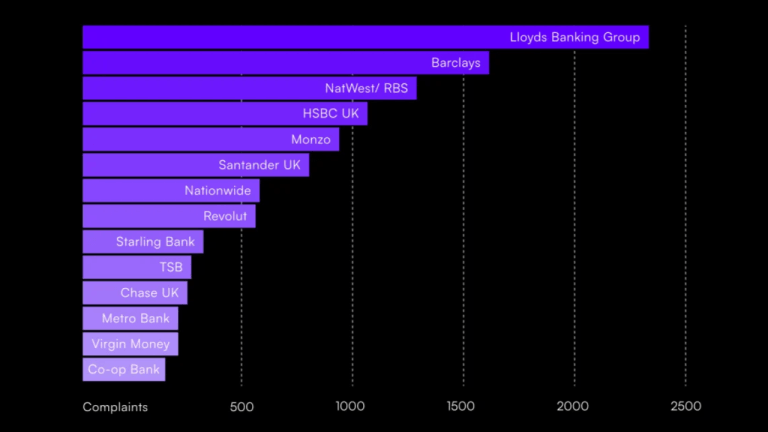
UK Banks Flooded With Crypto User Complaints, Led by Lloyds and Barclays
Evidence of banks restricting services for crypto asset users keeps piling up on both sides of the Atlantic. A new report highligh...

GENIUS Act Rules Are Reshaping the USDC vs. USDT Battle
The US stablecoin market is entering a new regulatory phase, with Circle’s USDC and Tether’s USDT facing different challenges as f...
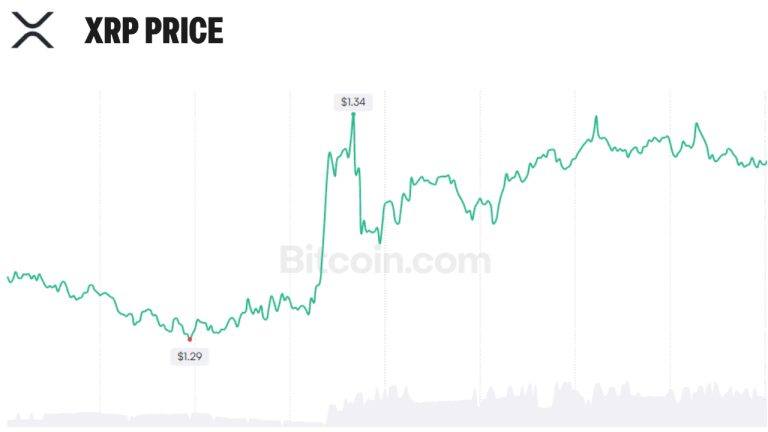
XRP Expands Beyond Crypto Trading as Banks and AI Agents Adopt XRPL
XRP’s role extends into cross-currency settlement and automated commerce as its underlying blockchain attracts financial instituti...