Undeterred by Fears of a Banking Crisis, ECB Raises Interest Rates by 50bps
The European Central Bank (ECB) has convened to raise three of its key interest rates by 50bps (0.5%), fueled by the persistence in the inflation numbers reported by the bloc. Christine Lagarde, president of the institut...
Archive context
Older archive item. Useful for background and entity history, but not a fresh market-moving signal.

The European Central Bank (ECB) has convened to raise three of its key interest rates by 50bps (0.5%), fueled by the persistence in the inflation numbers reported by the bloc. Christine Lagarde, president of the institution, stated that the banking sector in Europe was resilient and that the institution was ready to provide liquidity if necessary.
European Central Bank Hikes Rates in Battle Against InflationThe European Central Bank (ECB) has decided to keep raising interest rates in its war against inflation. On March 16, the institution announced a hike of 50 basis points (bps) in its three key interest rates, taking its main refinancing rates and the rates on the marginal lending facility and the deposit facility to 3.50%, 3.75%, and 3.00% respectively, effective March 22.
Christine Lagarde, president of the ECB, cited inflation as the main cause of this hike, stating that “inflation is projected to remain too high for too long.” While the inflation numbers have been falling, going from 9.2% in December to 8.5% in February, the goal of the institution is to return to a steady 2%. The ECB predicts that it will come close to this goal in 2025, expecting inflation to come down to 2.2% by that time.
The recent decline was primarily spearheaded by the energy price downtrend; however food and beverages prices soared by 15% during the same period.
Banking System Said to Be ‘Resilient’The institution did not address directly the recent developments that took Credit Suisse, one of the biggest Swiss banks, to the brink of collapse, ultimately receiving a $54 billion bailout from the Swiss National Bank.
However, the ECB declared:
The euro area banking sector is resilient, with strong capital and liquidity positions. In any case, our policy toolkit is fully equipped to provide liquidity support to the euro area financial system if needed and to preserve the smooth transmission of monetary policy.
The collapse of Credit Suisse comes after the recent closure and intervention of three U.S-based banks — Signature Bank, Silicon Valley Bank, and Silvergate Bank — which have investors from all around the world fearing this might spark a banking crisis at an international level.
However, the ECB made it clear it remains committed to its resolution of diminishing inflation, explaining it will “stand ready to adjust all of our instruments within our mandate to ensure that inflation returns to our medium-term target.”
What do you think about the ECB’s recent interest rate hike? Tell us in the comments section below.
Why this matters
This cryptocurrency story adds another data point to the current market tape and is useful when read alongside nearby source coverage.
Original source
Read on Bitcoin NewsRelated market context
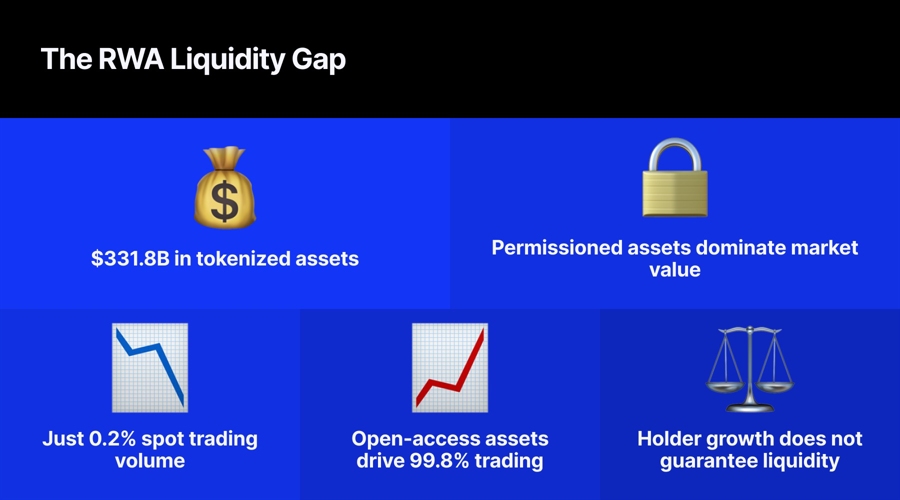
More Holders, Little Trading: The RWA Liquidity Problem Is Worse Than You Think
Let me ask you something straight. Does real-world asset trading on crypto exchanges feel like a genuine revolution, or does it fe...

Hot Inflation Data Puts Bitcoin Under Pressure, but ‘Difficult’ Isn’t ‘Bearish’: CoinShares
Bitcoin Magazine Hot Inflation Data Puts Bitcoin Under Pressure, but ‘Difficult’ Isn’t ‘Bearish’: CoinShares Bitcoin’s price has d...

Ripple Brings RLUSD to Cross River Bank as Garlinghouse Backs Evernorth’s XRP Strategy
Announced on October 15, the Cross River partnership integrates Ripple USD (RLUSD) into the bank’s proprietary Core Operating Syst...

BIS paper finds banks could slow stablecoin growth by raising rates
Rising bank rates could curb stablecoin growth, impacting monetary policy, regulation, and competition between banks and digital c...

BFFS26 Denver: Joseph Kelly on Bitcoin Custody and Credit; Alan Lane on Banking Lessons
Bitcoin Magazine BFFS26 Denver: Joseph Kelly on Bitcoin Custody and Credit; Alan Lane on Banking Lessons The Bitcoin for Financial...

Borderless.xyz report finds stablecoin payments beat bank FX rates
Stablecoin payments' efficiency over banks could reshape cross-border transactions, emphasizing dynamic provider selection to mini...