US Dollar’s Importance Declining in International Transactions and as Reserve Currency, Economist Says
A Canadian economist and professor at the University of British Columbia says the role of the U.S. dollar in international trade and as a reserve currency has been declining. “Other currencies have been getting more impo...
Archive context
Older archive item. Useful for background and entity history, but not a fresh market-moving signal.
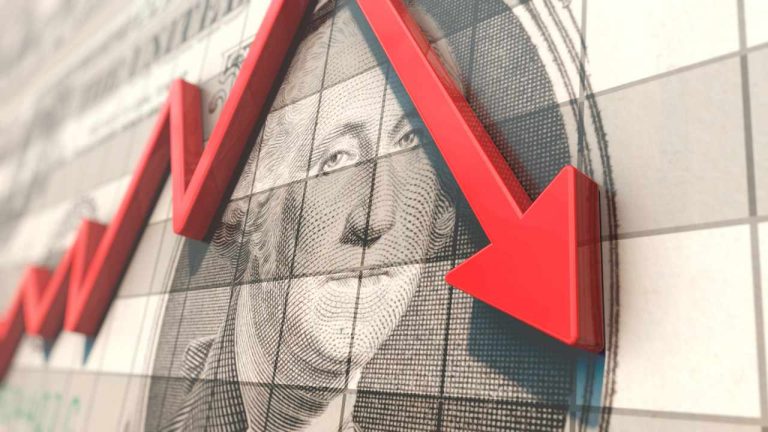
A Canadian economist and professor at the University of British Columbia says the role of the U.S. dollar in international trade and as a reserve currency has been declining. “Other currencies have been getting more important in international transactions and as reserve currencies,” he stressed.
Economist Highlights Rising De-Dollarization TrendCanadian economist James Brander shared his thoughts on the worldwide de-dollarization trend and the waning influence of the U.S. dollar last week. Brander is an Asia Pacific professor in the Strategy and Business Economics Division of the University of British Columbia.
He explained that the U.S. dollar’s dominance in the global market is declining as a growing number of countries are opting to conduct their international transactions using local currencies instead of relying on the USD, Press TV reported. While noting that the U.S. dollar is “the major reserve currency” and “over half of all international currency reserves in the world are U.S. dollar reserves,” he said: “The role of the U.S. dollar has been declining. It’s still big, but it has been declining.” The economist added:
Other currencies have been getting more important in international transactions and as reserve currencies. Current geopolitical tensions have increased the move towards using other currencies … especially Russia, as well as China, and some other countries.
“More local currencies are being used for international transactions,” the professor reiterated. “So, we’ve got a transaction between India and Russia and that’s handled either in Indian currency or Russian currency. We’re seeing more of that instead of U.S. dollars. I don’t see a problem with that.”
The imposition of economic sanctions by the U.S., particularly on Russia, is widely viewed as a significant driving force for other nations to transition away from the USD. U.S. Treasury Secretary Janet Yellen stated last month: “There is a risk when we use financial sanctions that are linked to the role of the dollar that over time it could undermine the hegemony of the dollar … Of course, it does create a desire on the part of China, of Russia, of Iran to find an alternative.”
De-dollarization efforts have been gaining momentum among the BRICS nations (Brazil, Russia, India, China, and South Africa). The economic bloc is also working on creating a common currency that will help its members reduce their reliance on the U.S. dollar. The BRICS leaders are expected to discuss the matter at their upcoming leaders’ summit in August. In addition, 10 Southeast Asian nations recently agreed to encourage the use of national currencies in transactions.
Do you think the importance of the U.S. dollar in international trade and as a reserve currency is declining? Let us know in the comments section below.
Why this matters
This cryptocurrency story adds another data point to the current market tape and is useful when read alongside nearby source coverage.
Original source
Read on Bitcoin NewsRelated market context
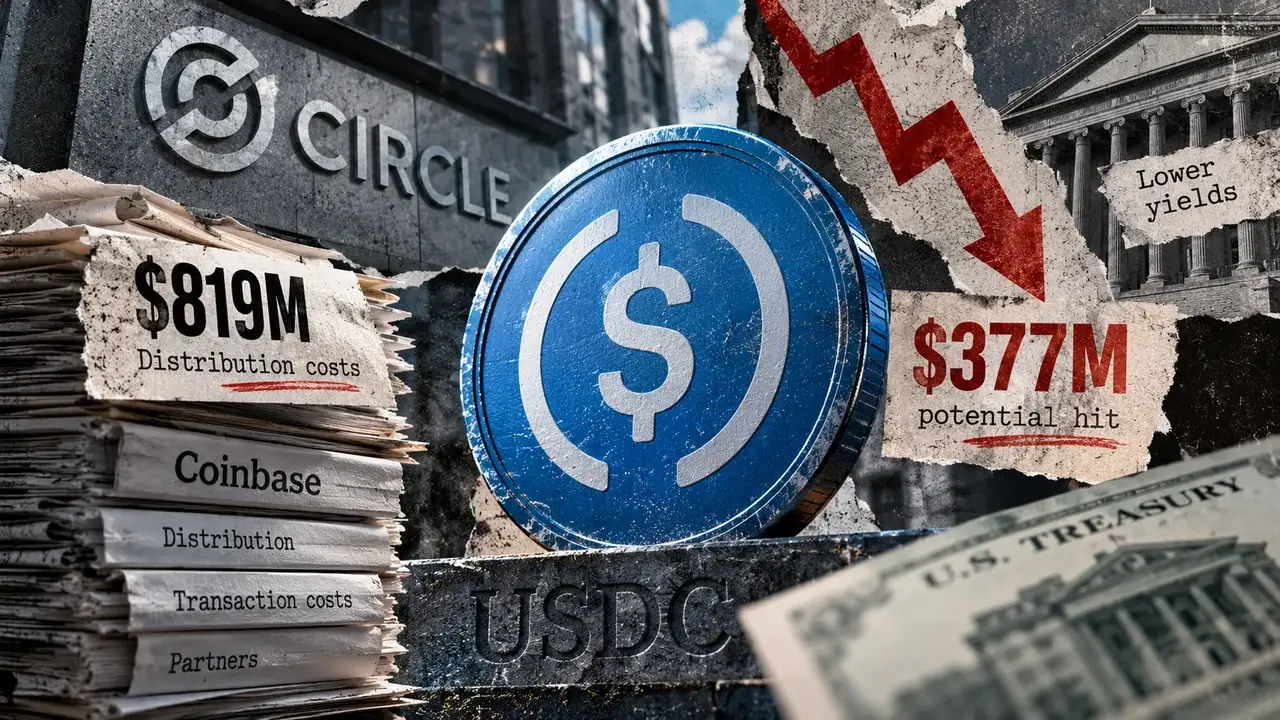
USDC processed $36 trillion in H1 transactions, but Circle kept just 7 cents of every revenue dollar
Stablecoin issuer Circle spent 93% of its first-half revenue on distribution, operations, and investment as USDC processed more th...
US Hoovers up Bitcoin While the World Runs on Its Digital Dollars: Report
Bitcoin Magazine US Hoovers up Bitcoin While the World Runs on Its Digital Dollars: Report America is accumulating bitcoin while e...
Circle Says 59 Cents of Each Revenue Dollar Went to USDC Partners and Transaction Costs
Circle said it paid about $819 million of its roughly $1.4 billion in first-half 2026 revenue to USDC distribution partners and tr...

Math Professor Warns of Threat to Bitcoin from AI Pivot
Bitcoin Magazine Math Professor Warns of Threat to Bitcoin from AI Pivot Could anyone actually break Bitcoin? Micah Warren, associ...

Ripple Prime Opens 24/7 Swaps on Stocks, Metals and Currencies, With Virtu Already Trading
Ripple Prime, Ripple’s institutional prime brokerage, now lets clients hold positions on stocks, indices, commodities and currenci...

USDC’s EU Reserves and Capital Shift to EBA Supervision in MiCA’s First ‘Significant’ Call
Circle’s European USDC issuer will answer to the European Banking Authority (EBA) on reserves, liquidity and capital from Nov. 12,...