US Inflation Expectations Highest Since 2013, Gas Prices Skyrocket, Supply Chains Buckle
Americans are still concerned about dealing with inflation, as the cost of goods and services has continued to rise significantly in a short period of time. The Federal Reserve has published the latest Survey of Consumer...
Archive context
Older archive item. Useful for background and entity history, but not a fresh market-moving signal.
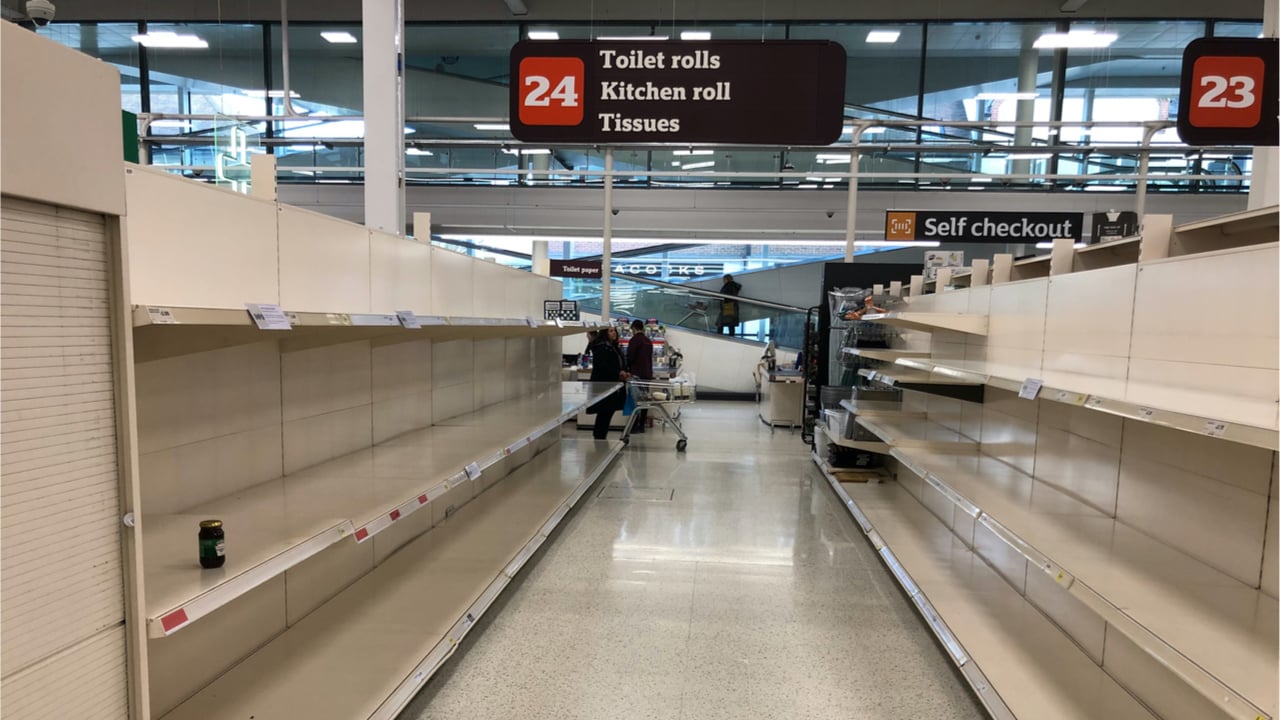
Americans are still concerned about dealing with inflation, as the cost of goods and services has continued to rise significantly in a short period of time. The Federal Reserve has published the latest Survey of Consumer Expectations report and U.S. households believe inflation will be up 5.3% one year from now. In addition to the dreary economic outlook, gas prices across the U.S. have skyrocketed up more than $1 from a year ago.
New York Fed’s Survey of Consumer Expectations Continues to Look Gloomy
After 2020’s massive monetary expansion, in order to help the economy combat the coronavirus outbreak and help facilitate the lockdown orders that subsequently followed, inflation has crept into the wallets of every American.
Month after month, the Federal Reserve has published the central bank’s Survey of Consumer Expectations (SCE) reports, and every month, inflation expectations jump higher. Once again, the latest Fed SCE report published on Tuesday indicates that Americans are still expecting higher inflation and low purchasing power a year from now.
The inflation expectations have surged to all-time highs and are the highest levels since 2013, with an expectation of 5.3% one year from now. Furthermore, the New York Fed (the branch that publishes the SCE report), once again mentions the coronavirus.
“Median inflation uncertainty – or the uncertainty expressed regarding future inflation outcomes – was unchanged at the short-term horizon and decreased at the medium-term horizon,” the Fed survey highlights. “Both measures are still well above the levels observed before the outbreak of Covid-19.” The recently published Fed SCE report leverages a rotating panel of 1,300 households.
In addition to the SCE report, the International Monetary Fund (IMF) has noted, in the world organizations’ quarterly update on global economic conditions, that central banks may need to tighten monetary easing policy. The IMF emphasized countries like the U.S. and the U.K. where “inflation risks are skewed to the upside.”
IMF warns of need to be ‘very, very vigilant’ over rising inflation risk
We have gone from very transitory to we have to be very, very vigilant.
Got it…
— Gold Telegraph ⚡ (@GoldTelegraph_) October 12, 2021
“While monetary policy can generally look through transitory increases in inflation, central banks should be prepared to act quickly if the risks of rising inflation expectations become more material in this uncharted recovery,” the IMF’s economic counselor and director of research, Gita Gopinath stressed in the report. “Central banks should chart contingent actions, announce clear triggers, and act in line with that communication.”
To make matters worse, the U.S. supply chain (and internationally) has been dealing with significant issues and gas prices across the country have risen significantly since last year. The media in the U.S. continues to tell tales of a buckling supply chain and some are blaming supply chain issues on the conflict between the U.S. and China.
Just 8 states have average #gasprices still under $3/gal:
OK $2.88
MS $2.89
TX $2.89
AR $2.91
LA $2.97
KS $2.98
AL $2.98
MO $2.99
— Patrick De Haan ⛽️📊 (@GasBuddyGuy) October 11, 2021
Supply chain shortages and rising gas prices have fueled the inflation crisis in the U.S., so much so that doesn’t seem to be ‘transitory.’ Every week, headlines show that “the return of empty shelves” has returned in the United States as well as the United Kingdom. Grocery stores in nearly every state across the U.S. are starting to see empty shelves again.
U.S. gas prices have also risen by $1 since last year and the average price of gas in the U.S. today is $3.25 per gallon. Only eight states in the U.S. have gas for under $3 a gallon.
What do you think about the current inflation woes Americans are dealing with in 2021? Let us know what you think about this subject in the comments section below.
Why this matters
This cryptocurrency story adds another data point to the current market tape and is useful when read alongside nearby source coverage.
Original source
Read on Bitcoin NewsRelated market context
Bitcoin’s Fed Week Starts With A Fresh Rise In US Inflation Expectations
TL;DR: US household inflation expectations rose in October while consumer sentiment barely changed. The readings add context ahead...

Bitcoin (BTC) Price Prediction: $74K Liquidity Gap Puts $80K Support to the Test
Meanwhile, data from Glassnode and Fasanara Digital show that traditional financial assets are capturing a growing share of deriva...
Bitdeer Reports 1,355 Bitcoin Mined In September While Building AI Capacity
TL;DR: Bitdeer says its September Bitcoin production reached 1,355 BTC, highlighting the miner’s expanding hash rate alongside sep...
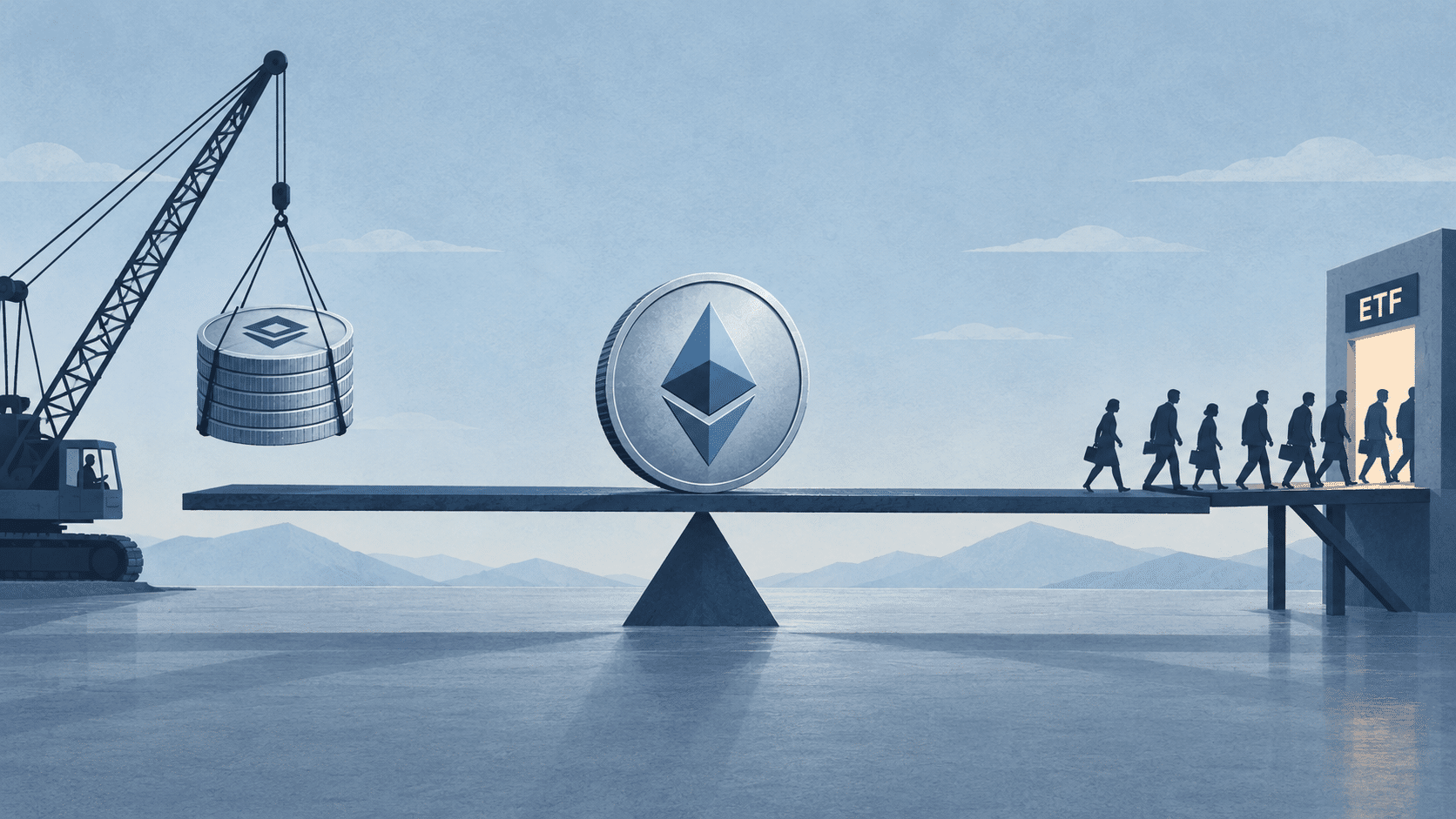
Ether ETFs Are Having Their Worst Month of 2026. Who Buys Once Bitmine Stops?
Ether’s (ETH) demand this year has largely come from two places: spot exchange-traded funds (ETFs) and Bitmine Immersion Technolog...
Irish Central Bank Fines Coinbase Unit €3.25 Million Over Customer Fund Safeguards
TL;DR: Ireland’s central bank imposed a €3.25 million penalty on Coinbase Ireland over electronic-money safeguarding and outsourci...
Bitcoin ETF Flows Trail Price Moves, DWF Study Finds
Bitcoin ETF flows track recent price moves more closely than subsequent ones, according to DWF Labs research published October 22....