Uzbekistan Allows Foreign Firms to Deposit Funds From Crypto Trading, Restricts Other Operations
The Central Bank of Uzbekistan has permitted foreign-based businesses to open domestic bank accounts and deposit funds received from cryptocurrency trading. These companies will also be able to transfer the money abroad,...
Archive context
Older archive item. Useful for background and entity history, but not a fresh market-moving signal.
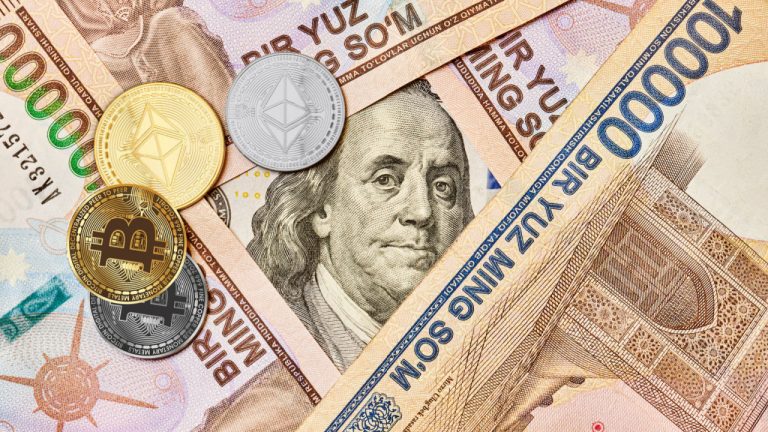
The Central Bank of Uzbekistan has permitted foreign-based businesses to open domestic bank accounts and deposit funds received from cryptocurrency trading. These companies will also be able to transfer the money abroad, but operations in the country will be restricted.
Uzbekistan Updates Rules for Operations With Proceeds From Crypto Exchange TransactionsThe Central Bank of the Republic of Uzbekistan has adopted amendments to its regulations for foreign exchange transactions that concern non-resident legal entities, including those working with cryptocurrencies. In particular, they are now allowed to have accounts at local banks but the options to operate with funds coming from cryptocurrency trading are narrow.
According to the new rules, money transferred from foreign accounts of companies participating in crypto exchanges or amounts received from the sale of crypto assets can be deposited into foreign currency accounts in Uzbekistan, the legal information portal Norma.uz announced, quoted by the crypto news outlet Forklog.
These funds can then be either transferred to an exchange in order to again buy digital coins or to the accounts of the foreign-registered entities in the jurisdictions from which the money originally came. However, their use for other purposes in Uzbekistan is prohibited, the report revealed.
The changes have entered into force on Feb. 9, 2023. Before that date, foreign non-resident companies could not open accounts in Uzbekistan’s banks with few exceptions envisaged by the law.
The government of Uzbekistan has been taking steps to regulate its crypto market. In late 2022, the authority overseeing the sector, the National Agency of Perspective Projects (NAPP) under President Shavkat Mirziyoyev, approved rules for the issuance and circulation of crypto assets.
The agency also regulated the licensing of crypto exchanges. Five trading platforms are now authorized to operate in the country — the state-controlled exchange Uznex and four smaller “crypto shops.” Meanwhile, the authorities in Tashkent have been trying to restrict access to foreign trading websites.
Residents of Uzbekistan were allowed to trade digital currencies on domestic exchanges in November 2021. While crypto-related transactions are tax free, crypto service providers in Uzbekistan are required to pay monthly fees. Earlier this month, the NAPP revealed that licensed crypto companies have paid over $310,000 to the budget last year.
Do you think foreign crypto companies will avoid working in Uzbekistan due to the latest restrictions on the use of crypto-related funds? Share your thoughts on the subject in the comments section below.
Why this matters
This cryptocurrency story adds another data point to the current market tape and is useful when read alongside nearby source coverage.
Original source
Read on Bitcoin NewsRelated market context

Kraken Parent Payward Moves Into European Banking With Saldo Deal
Payward, the company behind crypto exchange Kraken, has agreed to acquire Lithuania-based Saldo Bank, taking a route into European...
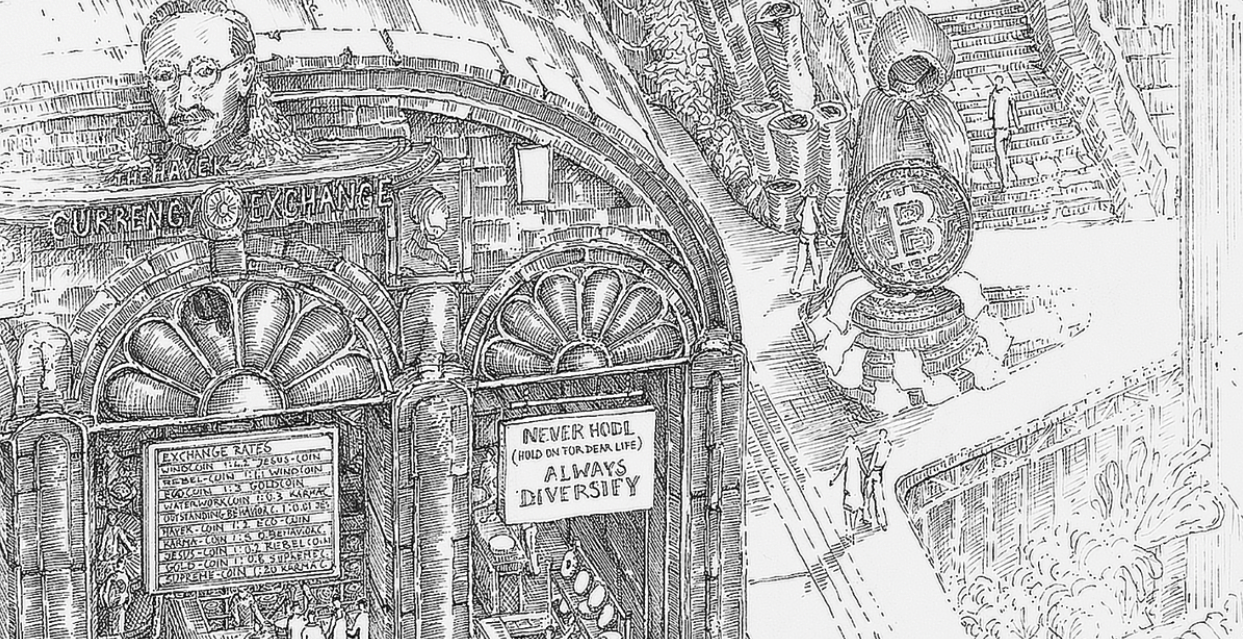
The Architecture of Money: Mapping Financial Power in the Age of Bitcoin
Bitcoin Magazine The Architecture of Money: Mapping Financial Power in the Age of Bitcoin Money determines where we live, what we...

German Savings Banks Begin Crypto Trading Rollout Inside Sparkassen App
Germany’s Sparkassen savings-bank group is beginning a phased cryptocurrency-trading rollout inside its existing banking app, taki...

European Banking Authority Puts USDC Under Significant-Token Supervision
The European Banking Authority has designated USDC as the EU’s first significant e-money token under MiCA, setting up an additiona...
Mastercard Launches Stablecoin Security to Screen Risk Before Funds Move Onchain
Key Takeaways: Mastercard released Stablecoin Security for assisting banks to identify fraud and sanctions/malicious activities be...
Binance Lets All Users Run AI-Built Trading Strategies Following Successful Beta
Binance made its AI Pro strategy agent available to all users on Monday, adding a free tier to a product that had been open only a...