Uzbekistan Collects Over $300,000 From Crypto Sector
While operations with digital assets are not taxed in Uzbekistan, the government is receiving a growing amount of revenues from the industry. The increase in budget receipts has been attributed to the licensing regime an...

While operations with digital assets are not taxed in Uzbekistan, the government is receiving a growing amount of revenues from the industry. The increase in budget receipts has been attributed to the licensing regime and the introduction of fees for crypto companies.
Crypto Exchange in Uzbekistan Pays Over $10,000 a Month to the State CofferLicensed crypto firms have paid 3.5 billion Uzbekistani som (more than $310,000) to the budget in the course of 2022, Uzbekistan’s regulatory authority responsible for the oversight in the sector revealed during a press conference, quoted by the crypto news outlet Forklog.
At the briefing, the National Agency of Perspective Projects (NAPP), a body subordinated to the president, announced the results of its activities. Officials said that the government has been able to collect the money thanks to the revamped licensing system and the imposing of fees for businesses working with digital assets.
Five crypto platforms are currently authorized to legally operate in the country and they have paid the said total. These are the state-controlled exchange Uznex and four smaller exchanges – Crypto Trade NET, Crypto Market, Crypto Express, and Coinpay.
Since October, crypto service providers in Uzbekistan are required to pay fixed monthly fees for their activities. These range between over $10,000 for cryptocurrency exchanges like Uznex and around $500 for the smaller trading platforms, also referred to as “crypto shops.”
At the same time, operations of individuals and organizations related to crypto transactions are subject to taxation in the Central Asian nation, even when carried out by non-residents and companies based in other jurisdictions, according to the current law.
However, the government in Tashkent has previously warned Uzbekistan’s citizens to avoid unlicensed exchange services. In August 2022, it tried to restrict access to online trading sites based outside the country. Uzbekistanis were allowed to buy and sell coins on domestic exchanges in November, 2021.
The NAPP also noted that 80% of the fees paid by the licensed crypto firms go to the state budget, while the remaining 20% are transferred to its own accounts. In late June, 2022, the agency presented registration requirements for miners who are relieved from taxation as well. Cryptocurrencies, mining and trading were regulated with a presidential decree issued two months earlier.
Do you think Uzbekistan will start taxing crypto companies in the future? Share your expectations in the comments section below.
Original source
Read on Bitcoin NewsRelated market context

Zimbabwe moves to regulate cryptocurrency sector with mandatory registration and annual fees
Zimbabwe's crypto regulation could enhance sector legitimacy, attract formal investment, and facilitate international financial pa...

SEC targets 20-year-old rule standing between Wall Street and blockchain trading
The Securities and Exchange Commission (SEC) is moving to dismantle a stock-trading rule that has governed Wall Street for two dec...
Blockworks Acquires Messari in Deal Highlighting Crypto’s Data Consolidation Race
Bitcoin Magazine Blockworks Acquires Messari in Deal Highlighting Crypto’s Data Consolidation Race Blockworks, the New York-based...
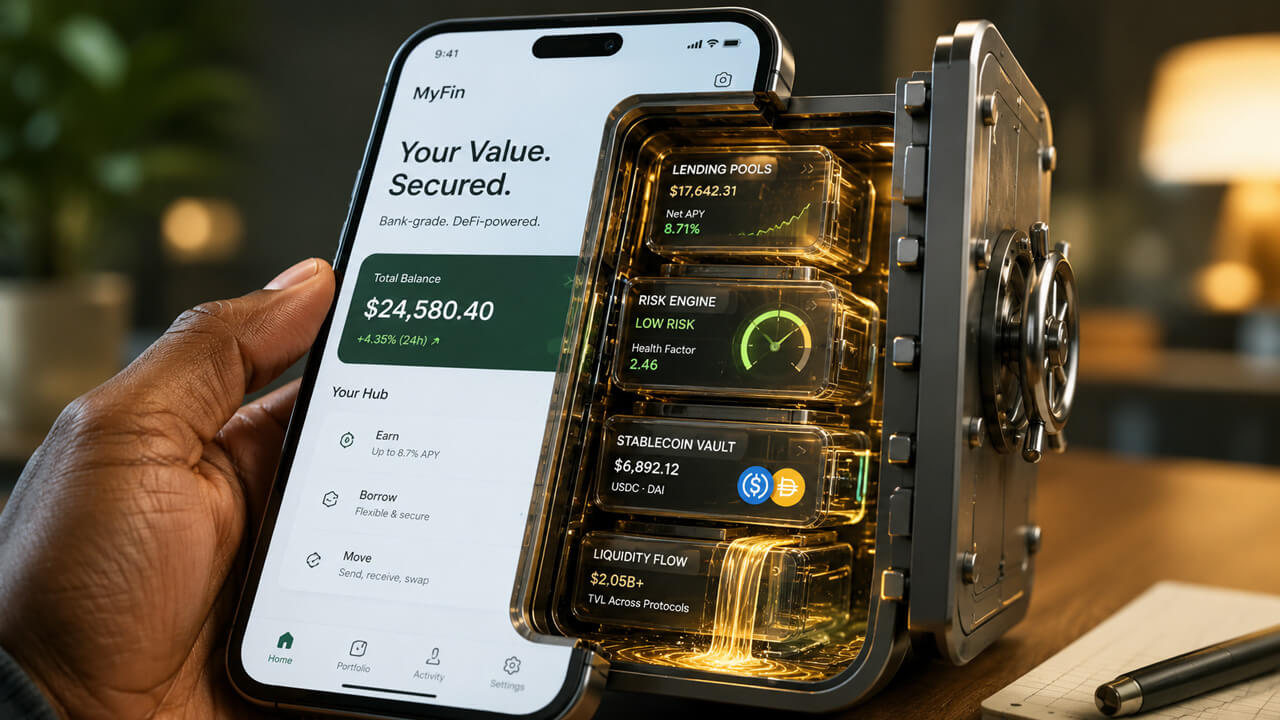
The future of vaults: neobanks and invisible DeFi
The following is a guest post and opinion from Vincent Maliepaard, VP of Marketing at Sentora. On January 26, 2026, Kraken launche...

Major crypto exchanges cancel SpaceX IPO allocations, promising refunds
Elon Musk’s SpaceX completed its landmark IPO on the Nasdaq on Friday, but crypto users seeking tokenized exposure to the IPO were...

THE THIRD RUSH: Where is the “Bitcoin” of the Ai Goldrush?
After months of deep thinking & a lot of discussions with some very smart people, I’ve decided to write an article for the first t...