Venezuela Bets on De-Dollarization After Foreign Currency and Crypto Tax Is Applied
The government of Venezuela is now focusing its action on trying to establish the bolivar as the go-to currency for purchases in the country. According to several economists, this might be a risky bet in a country that h...
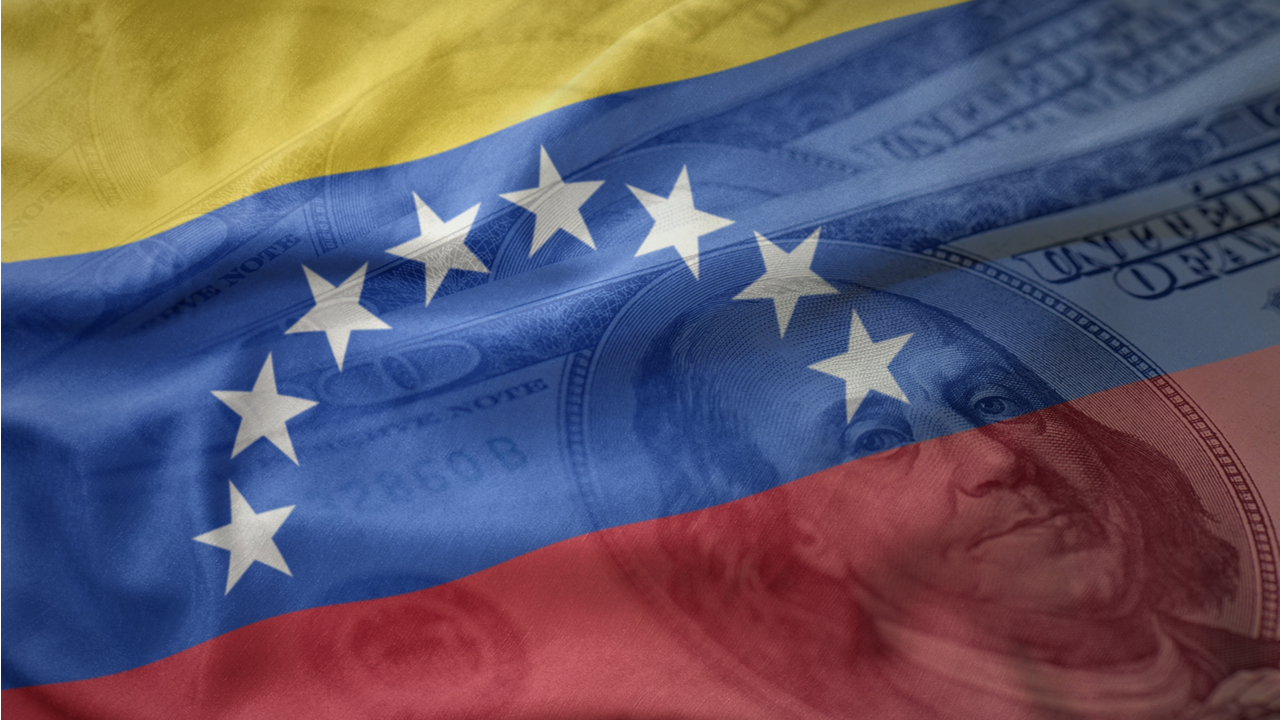
The government of Venezuela is now focusing its action on trying to establish the bolivar as the go-to currency for purchases in the country. According to several economists, this might be a risky bet in a country that has just exited hyperinflation and still suffers high levels of inflation. However, the establishment of a 3% tax targeting expenses in foreign currency and crypto is having some effects in this regard.
Venezuela Seeks to Strengthen Its Fiat CurrencyAfter having defacto dollarization, which the president of the country called an “escape valve” from the economic crisis that Venezuela had faced five years ago, now the country is seeking to establish its fiat currency, the bolivar, as an interesting choice for payments. A new tax called the IGTF, which seeks to tax transactions and payments made in dollars, foreign currency, and crypto at 3% in some instances, seems directed to aid in achieving this purpose.
However, this might not yet be the time for such adjustments, now that Venezuela is just exiting a period of hyperinflation that was also combined with the devaluation of its fiat currency, which had to be redenominated a pair of times. Asdrubal Oliveros, a national economist who manages Ecoanalitica, a consulting firm, declared:
It is a risky bet, with bad timing, because the recovery is very weak and the economy is still suffering from chronic inflation, not hyperinflation, but chronic inflation. It is very high to restore confidence in the currency from one day to the next.
De-Dollarization in ProgressHowever, the measure seems to be having a real effect on the spending patterns of Venezuelans. According to numbers presented by the bank superintendence, the use of the national fiat currency has shown a rise after the tax was presented and started being applied. Numbers show that digital transactions in local currency increased by 21%, and debit payments by 22%.
The utilization of the bolivar has been steadily climbing since 2021 when 70% of the purchases were made with dollars or Colombian pesos. Surveys from Ecoanalitica now show that the bolivar and other payment methods trump the dollar, which is now only being used in 44.7% of the commercial transactions in the country. This is due in part to the intervention of the central bank of the country to stabilize the fiat currency, whose volatility has stabilized against the dollar this year.
What do you think about the de-dollarization process that Venezuela is going through? Tell us in the comments section below.
Original source
Read on Bitcoin NewsRelated market context

Bukele’s Reform Makes El Salvador a Top Tax Haven: 0% on Foreign Income and Bitcoin Gains with Minimal Presence
Bitcoin Magazine Bukele’s Reform Makes El Salvador a Top Tax Haven: 0% on Foreign Income and Bitcoin Gains with Minimal Presence E...

Reuters Currency Headlines Hint at Macro Shift for Bitcoin and Crypto Markets
Reuters currency market headlines hint at macroeconomic pressures affecting Bitcoin and crypto. Analysis of fiat moves and regulat...

Curaçao set to become smallest country in World Cup history, and crypto is all over the tournament
Curaao's World Cup debut highlights the increasing intersection of sports and crypto, offering new avenues for fan engagement and...

Curaçao becomes smallest country to qualify for FIFA World Cup, and crypto is all over the tournament
Curaao's World Cup debut highlights small nations' potential on global stages, while crypto's integration signals evolving sports...
Bitfinex Report Highlights Tokenization as the Key to Venezuela’s Economic Rebuild
In a recent report, Bitfinex Securities highlights the relevance of tokenization in modernizing and streamlining Venezuelan market...

Zimbabwe moves to regulate cryptocurrency sector with mandatory registration and annual fees
Zimbabwe's crypto regulation could enhance sector legitimacy, attract formal investment, and facilitate international financial pa...