Wallet intelligence shapes the next crypto power shift
Opinion by: Scott Lehr, adviser to Alteri.ioIn the world of cryptocurrency, knowledge isn't just power — it's a weapon. The recent collapse of Mantra's OM token, which saw a 90% drop in value within hours, underscores ho...
Archive context
Older archive item. Useful for background and entity history, but not a fresh market-moving signal.

Opinion by: Scott Lehr, adviser to Alteri.io
In the world of cryptocurrency, knowledge isn't just power — it's a weapon. The recent collapse of Mantra's OM token, which saw a 90% drop in value within hours, underscores how wallet intelligence can be leveraged with devastating effects.
Wallet intelligence is the real-time analysis of blockchain data to extract insights from wallet behaviors, transaction patterns, and asset flows. Firms like Chainalysis and Arkham Intelligence have turned raw onchain activity into high-resolution surveillance, enabling everything from compliance monitoring to predictive trading. This level of insight gives a strategic advantage to those who can access it.
Power like this, however, has consequences. There is a new battlefield on the blockchain, and you might be in danger.
The downside of transparencyAs blockchain transparency advances, the pseudonymity that once protected users rapidly dissolves. Every transaction leaves a breadcrumb trail — one that sophisticated actors can follow. Wallet intelligence is increasingly used by regulators, exchanges, and analytics firms to enforce compliance and track illicit activity. It also opens the door to abuse: centralized surveillance, profiling, and preemptive censorship.
OM's collapse exposed the dangersThe April collapse of OM offers a case study of how these dynamics play out. Although not conclusively proven, reports suggest that a single trader initiated a massive short on Binance's perpetual market, allegedly exploiting market liquidity to trigger a cascade of liquidations. At the same time, Mantra's token was held in a highly centralized fashion — 90% of OM supply sat with insiders. Combine that with low liquidity and poor transparency around OTC deals, and you get a chain reaction that wiped out millions in market cap and investor trust.
We saw echoes of this dynamic during the collapse of FTX. While regulators and internal auditors failed to sound the alarm, early warnings came from parts of the crypto community — analysts and observers who flagged questionable ties between Alameda Research and FTX. But the full extent of the misconduct wasn't revealed until a leaked balance sheet and a cascade of withdrawals forced the truth into the open. After the collapse, wallet intelligence became critical. Blockchain investigators and independent sleuths traced the movement of billions in customer funds, exposing how deeply intertwined — and misused — those assets were. The fallout didn't just destroy value. It shattered trust and proved that, in the right hands, blockchain transparency can uncover truths that centralized actors try to bury.
The growing threat of surveillance capitalismThis is the new battlefield. Wallet intelligence enables actors to front-run movements, manipulate price action, or influence reputational narratives by selectively exposing wallet data. In the wrong hands, it becomes a weapon capable of destabilizing protocols, shaping regulatory pressures, or undermining the decentralization of crypto.
What happens when blockchain data stops protecting users and starts profiling them?
Recent: Mantra links OM token crash to risky crypto exchange policies
The centralization of these tools and data pipelines poses a systemic risk. A small number of firms with privileged access and institutional relationships now have disproportionate influence over which transactions get flagged, which wallets get blocked, and which behaviors are interpreted as “suspicious.” That isn't decentralization. It's surveillance capitalism with a blockchain veneer.
What the crypto community must do nowThe implications for markets are significant. As wallet intelligence tools become more influential, expect heightened regulatory scrutiny, targeted enforcement, and volatility driven by actors who can read the tape before the rest of the market sees it. In the wrong context, transparency without guardrails can morph into tyranny.
Wallet intelligence is here to stay — but how it's governed, who gets access, and whether it reinforces or undermines decentralization will determine whether it serves the ecosystem or destabilizes it.
Blockchain users: Stop assuming decentralization means safety. Know how your data is being tracked, interpreted, and possibly weaponized.
Regulators must understand this technology before attempting to regulate it—or risk empowering the wrong actors.
Developers should push for decentralized wallet intelligence platforms that return data power to the network, not a few firms.
Protocols should bake privacy into their architecture without sacrificing accountability.
In this next era of crypto, what you don't know about your own wallet might be exactly what someone else is using to move against you.
Opinion by: Scott Lehr, adviser to Alteri.io.
This article is for general information purposes and is not intended to be and should not be taken as legal or investment advice. The views, thoughts, and opinions expressed here are the author’s alone and do not necessarily reflect or represent the views and opinions of Cointelegraph.
Why this matters
This cryptocurrency story adds another data point to the current market tape and is useful when read alongside nearby source coverage.
Original source
Read on CointelegraphRelated market context

Arc Launches Agentic Payments with USDC Across 3 Chains, Removing Gas Wallet Hassles
Key Takeaways: Arc has also created agentic payments, allowing Circle agents and developers to receive USDC payments via the x402...

WaterPlum infects 30,000 devices, steals data from 7,000 crypto wallets
The WaterPlum incident underscores the growing sophistication of state-sponsored cyber threats, highlighting vulnerabilities in gl...

WaterPlum Targets 30,000 Devices and Steals 7,000+ Crypto Wallet Records Worldwide
Key Takeaways: WaterPlum hacked over 30,000 devices in 100+ countries and accessed information from 7,000+ crypto wallets. Fake jo...

Ethereum co-founder Vitalik Buterin argues that local AI can protect your privacy without losing speed
Ethereum co-founder Vitalik Buterin says laptop AI is approaching a practical turning point. Wallet software still needs a much hi...
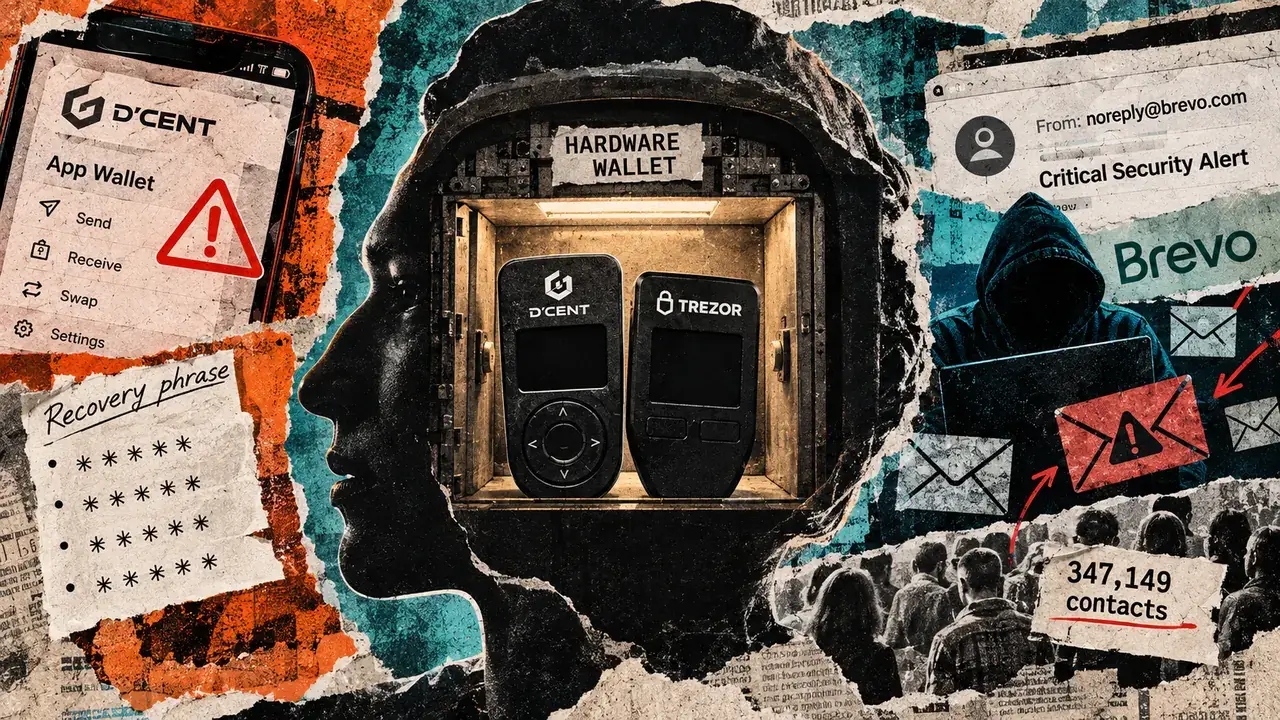
Your crypto hardware wallet can stay secure while everything around it fails
Two wallet incidents this week exposed a growing weakness in crypto self-custody: the systems surrounding hardware devices. D’CENT...
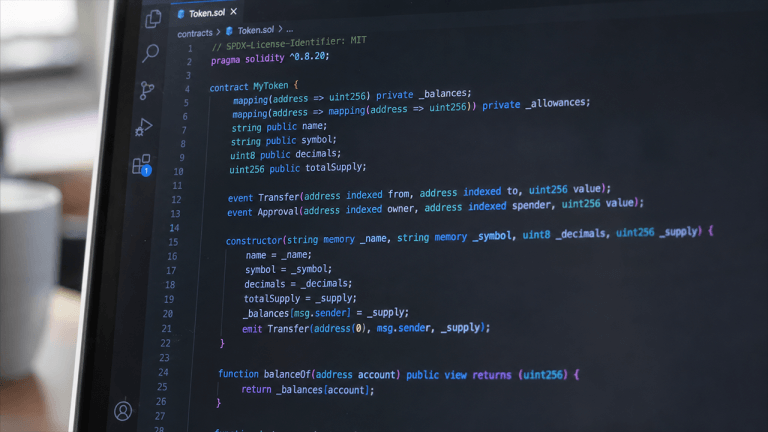
AI Is Rereading Crypto’s Old Code, and Finding What Humans Missed
Crypto’s security problem took a strange turn in 2026. Artificial intelligence (AI)-assisted researchers found a four-year-old Zca...