What DAOs Can Do: Exciting Or Worrying? Rethinking 2021 – Pt. 2
DAOs are believed to be the most efficient and important coordination tool for businesses and other organizations nowadays. In the first part of this article, we talked about the many benefits we saw during 2021, but lik...
Archive context
Older archive item. Useful for background and entity history, but not a fresh market-moving signal.

DAOs are believed to be the most efficient and important coordination tool for businesses and other organizations nowadays. In the first part of this article, we talked about the many benefits we saw during 2021, but like in any innovation, there are worries about what it might all mean in the future.
Related Reading | What DAOs Can Do: Social Movement Or Playground? Rethinking 2021 – Pt. I
Worries Of The YearOne of the worries that popped out in 2021 was taxes: are DAOs being responsible enough to educate their members on the taxes they will likely be subject of? If not, 2022 might bring very unpleasant surprises to them.
The taxation of DAOs in the U.S. is an unclear landscape at the moment, and that can turn into dangerous scenarios for small investors.
There are big concerns about thousands of dollars accumulated in tax liabilities, plus a dangerous grey area on legality. Reportedly, many users didn’t know their tokens were taxable when they got them from DAOs during 2021.
What happens if the token’s price plunges dramatically? Members could still have to pay taxes based on the fair market value at the time they received it.
Another 2021 main worry was the question of whether executing decisions via code is truly a good idea for the future of work and complex decisions.
Some have pictured scenarios in which smart contracts fully replace the decisions that used to be handled by managers. This could eliminate part of the human error of decision-making and turn the process into a more democratic way to coordinate within a business, but to many people, predetermined inputs also sound dangerous and dystopic.
Can smart contracts do more harm than good for workers? Or can they create a more balanced workspace and take more humane considerations into account? It’s a challenge the DAO technology will likely face.
Related Reading | It’s Not You, It’s Crypto: Execs Leave Silicon Valley To Join Crypto Startups
What DAOs IgnoreYet, one of the most interesting approaches on what the tech of DAOs is still missing was made by Grace (Rebecca) Rachmany this year and published on CoinDesk.
The founder of DAO Leadership noted that not all the decision-making in DAOs is as democratic as it sounds since there are organizations –not centered in investments– where “those affected by a decision” are not “those who make the decision”.
Some believe that the cost of tokens is a great feature of DAOs because it can show stakers care about the project. However, what if the project is no longer centered on investments but finding better ways to achieve helpful and successful decisions to create an impact on large communities and endure times of crisis?
DAOs represent a promise to defy previous organization models, this means they can also have a higher impact on society: can the DAO tech achieve what the United Nations cannot? Rachmany suggests the techs should be seeing the bigger picture.
“DAO technology has provided little more than voting and funds allocation mechanisms,” she writes, and adds that the “DAO technology should be applied to areas we haven’t solved yet, areas where everyone’s interest is at stake and therefore everyone should have a say.”
Rachmany notes that “DAOs offer the potential to organize collective intelligence to address complex questions and manage shared resources.” However, “Because of their myopic focus on “on-chain” governance of blockchains, the DAO technologists have failed to create compelling technology for the problems that society is facing.”
Rachmany sees failure in centering this potential in small circles, an ironic reality as the fuel of these movements is “the sense that almost all of the democratic processes are broken in today’s society”.
She thinks it’s time for well-designed systems that can “cause better sense-making” and sees gaps in the decision-making processes of DAOs so far, the organizations’ accountability, lack of solutions for the inclusion of minorities with “less (or no) capital to invest “, and so on.
Will new technologies fail society or can they meet with complex global challenges?
Why this matters
This cryptocurrency story adds another data point to the current market tape and is useful when read alongside nearby source coverage.
Original source
Read on NewsBTCRelated market context
Austin Griffith Demonstrates How Fast Bots Can Drain Weak Ethereum Keys
Austin Griffith of the Ethereum Foundation put about $1 in an Ethereum wallet whose private key was the number 6969, and bots went...

Ethereum (ETH) Price Prediction: Whale Rotates $155M Into ETH as Longs Surge Near $2,500
Ethereum is trying to stabilize after another volatile stretch, with price returning toward the mid-$2,400 region while several po...
Ethereum staking yield is losing to cash rates, so why are investors still lining up?
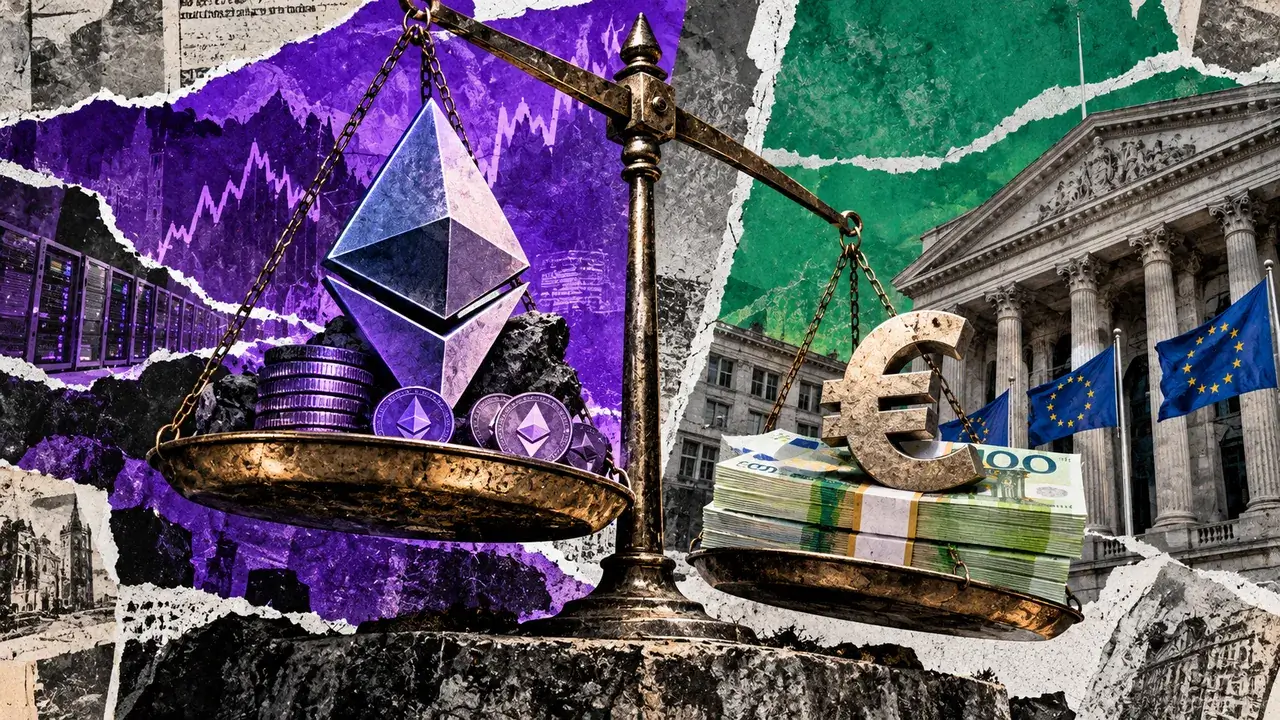
Put €10,000 into Ethereum staking at a 2.2% annual return and, if ETH's price stays unchanged, you'll earn about €220 over a year....
Ethereum Delays Glamsterdam Test On Hoodi Over Smart Contract Compatibility Questions
TL;DR: Ethereum developers have removed the planned October 26 Glamsterdam activation on Hoodi while they investigate EIP-8037 int...

Ethereum Glamsterdam Upgrade Delayed Over Smart Contract Security Risks
Ethereum developers have postponed the Glamsterdam upgrade on the Hoodi testnet after researchers identified potential security ri...
Ethereum sees biggest exchange withdrawal in four months as October ETF losses top $1 billion
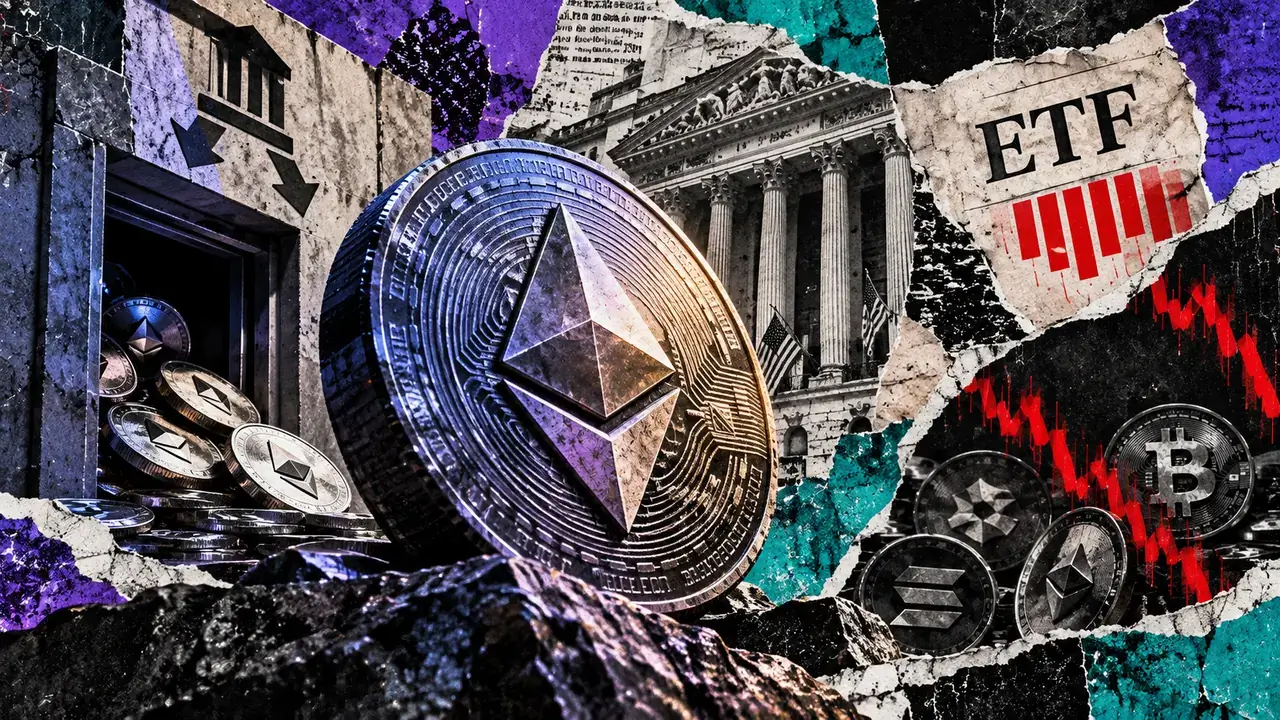
About 169,770 ETH left centralized exchanges on net in one day, Santiment reported Oct. 23, the largest daily withdrawal in more t...