Wisconsin Lawmakers Renew Push to Regulate Crypto Kiosks Amid $247M Fraud Losses
Wisconsin legislators are making a renewed push to rein in cryptocurrency kiosks, filing a second bill in two weeks aimed at curbing fraud tied to the machines. Key Takeaways: Wisconsin lawmakers have introduced twin bil...
Archive context
Older archive item. Useful for background and entity history, but not a fresh market-moving signal.

Wisconsin legislators are making a renewed push to rein in cryptocurrency kiosks, filing a second bill in two weeks aimed at curbing fraud tied to the machines.
Key Takeaways:
- Wisconsin lawmakers have introduced twin bills to regulate the state’s 582 crypto kiosks.
- FinCEN reported a 99% surge in kiosk-related scams in 2024, with losses reaching $247 million.
- The proposals cap daily transactions at $1,000.
Senate Bill 386, introduced Monday by Sen. Kelda Roys and six colleagues, mirrors Assembly Bill 384, filed last month by Rep. Ryan Spaude and ten co-sponsors.
Both measures target the 582 Bitcoin ATMs scattered across the state’s gas stations, grocery stores, and convenience shops.
FinCEN Flags 99% Surge in Crypto Kiosk Scams, $247M in LossesThe bills come as the Treasury Department’s Financial Crimes Enforcement Network (FinCEN) warns of a sharp rise in crypto kiosk scams, with fraud complaints up 99% in 2024 and reported losses climbing 31% to nearly $247 million.
Wisconsin’s proposals would place kiosk operators under the state’s money transmitter licensing system and impose strict consumer protections, including fraud alerts, transaction caps, and tighter identity checks.
If passed, both bills would cap daily exchanges at $1,000 per customer and limit operator fees to $5 or 3% of the transaction amount.
Machines would be required to display bold warnings, such as: “FRAUD ALERT! Criminals seek to defraud virtual currency customers by impersonating loved ones, government officials, law enforcement officers, or charities.”
The legislation also mandates robust identity verification before any transaction, collecting a customer’s name, date of birth, address, phone number, and government-issued photo ID.
Proponents say these measures, while reducing anonymity, are essential to building public trust.
Wisconsin’s SB386 would force #Bitcoin ATMs to require full KYC, photo ID, and cap transactions at $1k. pic.twitter.com/JM2tydjE7i
— TFTC (@TFTC21) August 11, 2025“While crypto ATMs were developed as a natural extension of the crypto ecosystem… the absence of robust KYC protocols has made them vulnerable to money laundering and illicit activities,” said Arjun Vijay, founder of exchange Giottus.
The bills go further by requiring refunds for fraud victims who notify authorities within 30 days, a move designed to protect elderly and vulnerable residents who have been prime targets in scams.
Wisconsin’s efforts follow similar crackdowns abroad, including Australia’s transaction limits and New Zealand’s planned ban on crypto kiosks.
In the US, Washington state’s Spokane city council recently voted to remove all kiosks after federal probes linked them to billions in fraud-related losses.
Both bills are now before the Committee on Financial Institutions, with identification requirements slated to take effect 60 days after passage if approved.
More Countries Clamp Down on Crypto ATMsWisconsin’s move follows similar efforts abroad. In Australia, AUSTRAC recently introduced stricter rules for crypto ATM operators, including tighter cash limits and monitoring.
Last month, the regulator refused to renew the registration of a local crypto ATM operator, Harro’s Empires. The agency placed operating conditions, including transaction limits, on them.
In the US, Spokane, Washington, has banned crypto ATMs entirely, citing their use in scams targeting vulnerable residents.
Lawmakers in the US Senate are also attempting to tighten laws on a state and local level, with one attempt led by Illinois Senator Dick Durbin.
He has introduced the Crypto ATM Fraud Prevention Act, which would bring in legislative measures designed to protect the public, while attempting to limit inconvenience for law-abiding users.
New users would be prevented from spending more than $2,000 a day at one of these machines, rising to $10,000 in a 14-day period.
The post Wisconsin Lawmakers Renew Push to Regulate Crypto Kiosks Amid $247M Fraud Losses appeared first on Cryptonews.
Why this matters
This cryptocurrency story adds another data point to the current market tape and is useful when read alongside nearby source coverage.
Original source
Read on CryptonewsRelated market context

WhiteBIT Integrates Lightning Network for Fast and Cheap Bitcoin Transactions
Bitcoin Magazine WhiteBIT Integrates Lightning Network for Fast and Cheap Bitcoin Transactions The Lightning Network continues to...

LiquidAcre selects Uphold to power tokenized real estate infrastructure
The partnership could accelerate the adoption of tokenized real estate, potentially transforming property investment and ownership...

LiquidAcre Selects Uphold to Power Digital Asset Infrastructure and Future Tokenized Real Estate Offerings
LiquidAcre, a financial technology company building a platform designed to expand access to real-world assets and digital financia...
EU lawmakers target crypto and opaque ownership in corruption fight
The EU's anti-corruption strategy could enhance transparency, reduce illicit financial activities, and strengthen trust in governa...

Greece Crypto Tax Proposal Would Exempt First €500 in Annual Gains
Greece is preparing a draft law that would tax individual crypto capital gains at 10%, with a reported €500 annual exemption. The...
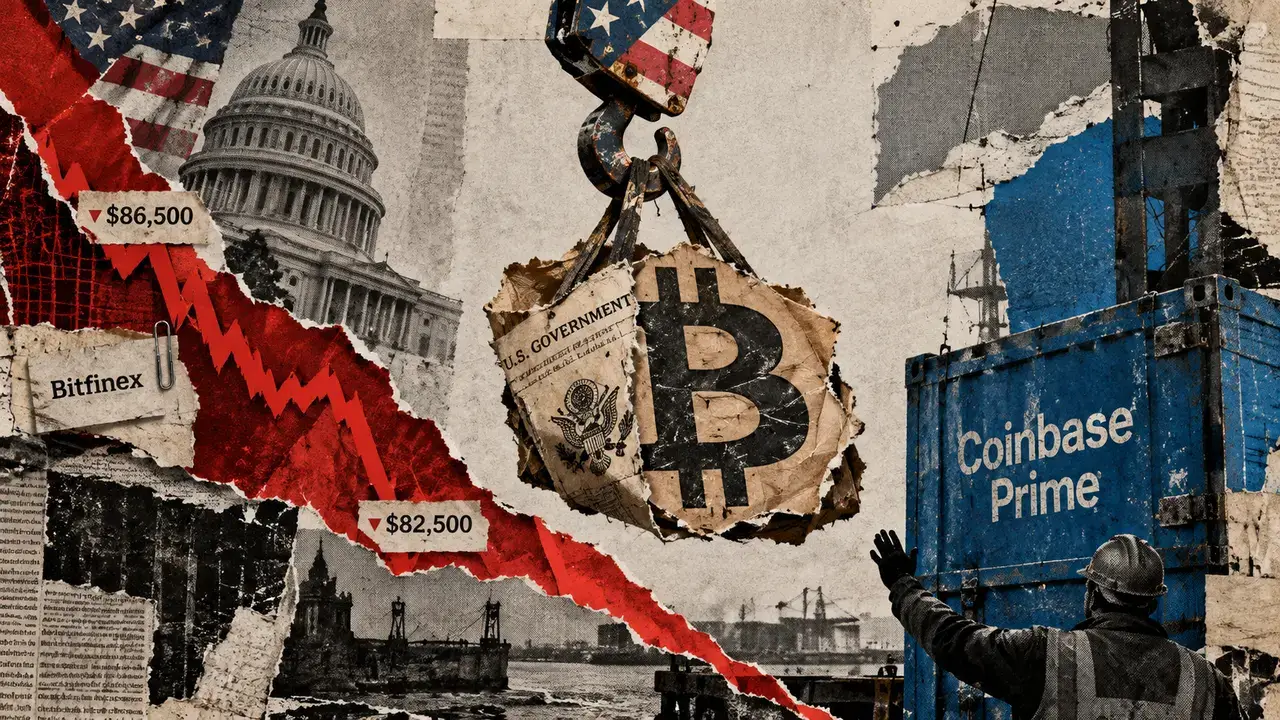
US government moves another $1 billion in Bitcoin as BTC slides $4,000
US government-linked wallets moved over $1 billion in Bitcoin on Oct. 8 as BTC prices fell and more coins reached Coinbase Prime....