Belgium’s KBC Bank Set to Unleash Bitcoin and Ether Trading for Retail – Will Rivals Follow?
KBC Bank is preparing to offer cryptocurrency trading to its retail clients, making it the first major bank in Belgium to move into the space. The bank plans to offer Bitcoin and Ether investments through its Bolero inve...
Archive context
Older archive item. Useful for background and entity history, but not a fresh market-moving signal.

KBC Bank is preparing to offer cryptocurrency trading to its retail clients, making it the first major bank in Belgium to move into the space. The bank plans to offer Bitcoin and Ether investments through its Bolero investment platform later this year.
According to a local source, KBC said it is currently undergoing an assessment to obtain recognition as a Crypto-Asset Service Provider (CASP). The process is expected to conclude by autumn.
KBC Pushes Into Crypto as European Banks Catch Up to Investor DemandA KBC spokesperson said the platform would offer retail investors access to Bitcoin and Ether “within a trusted framework, with a focus on education, security, and regulatory compliance.”
Bolero, the bank’s online investment arm, will host the crypto offerings. If approved by regulators, the rollout could begin by the end of 2025. This would place KBC ahead of its domestic rivals in the retail crypto market.
According to L'Écho, starting this autumn, users will be able to purchase BTC and ETH through Bolero, the investment platform of KBC, one of Belgium's largest banks, marking a first for a major Belgian bank. KBC expects to receive regulatory approval as a crypto-asset service…
— Wu Blockchain (@WuBlockchain) July 2, 2025Belgian customers currently rely on foreign exchanges such as Binance, Coinbase, and OKX to access crypto. Others turn to digital banking apps like Revolut and N26, which have integrated crypto services in recent years.
The move by KBC comes amid a broader shift among European banks toward digital asset integration.
A recent study by Bitpanda found that while over 40% of business investors in Europe already hold cryptocurrencies, only 19% of financial institutions believe there is strong demand. The report pointed to a gap between investor behavior and the perception among banks.
Lukas Enzersdorfer-Konrad, Bitpanda’s deputy CEO, said, “Financial institutions in Europe know that crypto is here to stay, but most are still not offering services that match investor demand.”
The same is true for capital market players too – where European institutions are probably a couple of years ahead.
Example: Deutsche Boerse, the main German stock exchange, will provide $btc and $eth custody.
Plus, both in the EU and in Switzerland, you can now launch fully… https://t.co/7VGXOYuFaW
Despite the hesitation, some banks are beginning to take notice. The same survey found that 18% of institutions plan to expand their crypto-related offerings, particularly in areas like transfers and trading.
A separate report from Coincub earlier this year found that over 60 banks in Europe currently offer some form of crypto service. Institutions like BBVA Switzerland, Standard Chartered, and Barclays have all deepened their crypto involvement.
While the bank has emphasized a cautious and regulated approach, it appears to be responding to growing interest from retail clients.
If the CASP registration is secured, KBC will join a small but growing group of European banks bringing crypto trading into their core platforms. The final decision is expected in the fall, and all eyes will be on how other banks in the region respond.
Europe’s Regulatory Shift Sparks Wave of Bank-Backed Bitcoin ServicesKBC Bank’s entry into retail crypto trading could mark the beginning of a broader trend across Europe, as traditional financial institutions ramp up their digital asset services under the European Union’s newly implemented MiCA (Markets in Crypto-Assets) regulation.
MiCA, which came into force in 2024, has set unified standards for crypto operations across the European Economic Area (EEA). In just the first half of 2025, major crypto exchanges like OKX, Coinbase, Bybit, and Crypto.com secured licenses under the framework.
The result is a more competitive, regulated European crypto market and increasing pressure on legacy banks to follow suit.
Several of Europe’s largest financial players are already responding. Germany’s Deutsche Bank is reportedly preparing to launch a crypto custody service in 2026, collaborating with Austrian exchange Bitpanda and tech firm Taurus, which Deutsche Bank has backed.
@DeutscheBank plans to roll out a digital assets custody service in 2026, partnering with @Bitpanda’s technology arm to build the platform.#Deutsche #Cryptohttps://t.co/xdnBFQULqY
— Cryptonews.com (@cryptonews) July 1, 2025Meanwhile, Sparkassen-Finanzgruppe, Germany’s largest banking group with 50 million customers, plans to allow direct Bitcoin and Ether trading via its mobile app by summer 2026.
Germany’s Sparkassen-Finanzgruppe plans to launch crypto trading for its 50 million customers by summer 2026.#Germany #Cryptohttps://t.co/bxpF9xevg0
— Cryptonews.com (@cryptonews) July 1, 2025The offering will be managed by Dekabank and is set to operate under MiCA’s regulatory umbrella. The group describes it as “reliable access to a regulated crypto offering.”
In Spain, BBVA has already been advising its affluent clients to allocate a portion of their portfolios—up to 7%—to Bitcoin and other digital assets.
As European regulators prepare further guidance, including clarifying rules for cross-border stablecoin use, MiCA appears to be positioning the EU as a global leader in crypto oversight.
EU stablecoin interchangeability under MiCA clarified: licensed EU tokens treated as equivalent to non-EU tokens.
#Stablecoin #MiCAhttps://t.co/7I5C1txxr5
For banks like KBC, the clarity may not just offer regulatory cover but also unlock long-term opportunity in digital finance.
Whether rivals follow will likely depend on how quickly they can adapt to MiCA’s evolving standards.
The post Belgium’s KBC Bank Set to Unleash Bitcoin and Ether Trading for Retail – Will Rivals Follow? appeared first on Cryptonews.
Why this matters
This ethereum story adds another data point to the current market tape and is useful when read alongside nearby source coverage.
Original source
Read on CryptonewsRelated market context
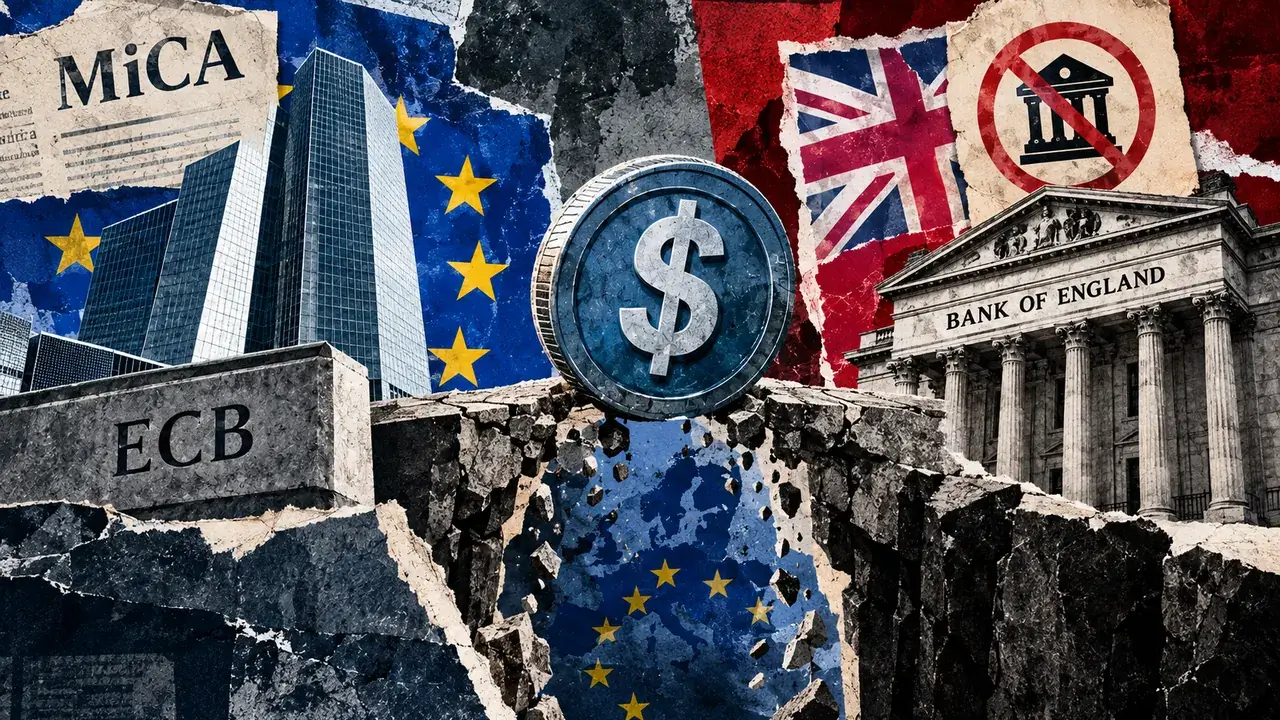
Europe’s central banks want to scrap this stablecoin reserve safeguard
EU rules require stablecoins issued by electronic-money institutions to keep at least 30% of their reserves in commercial-bank dep...
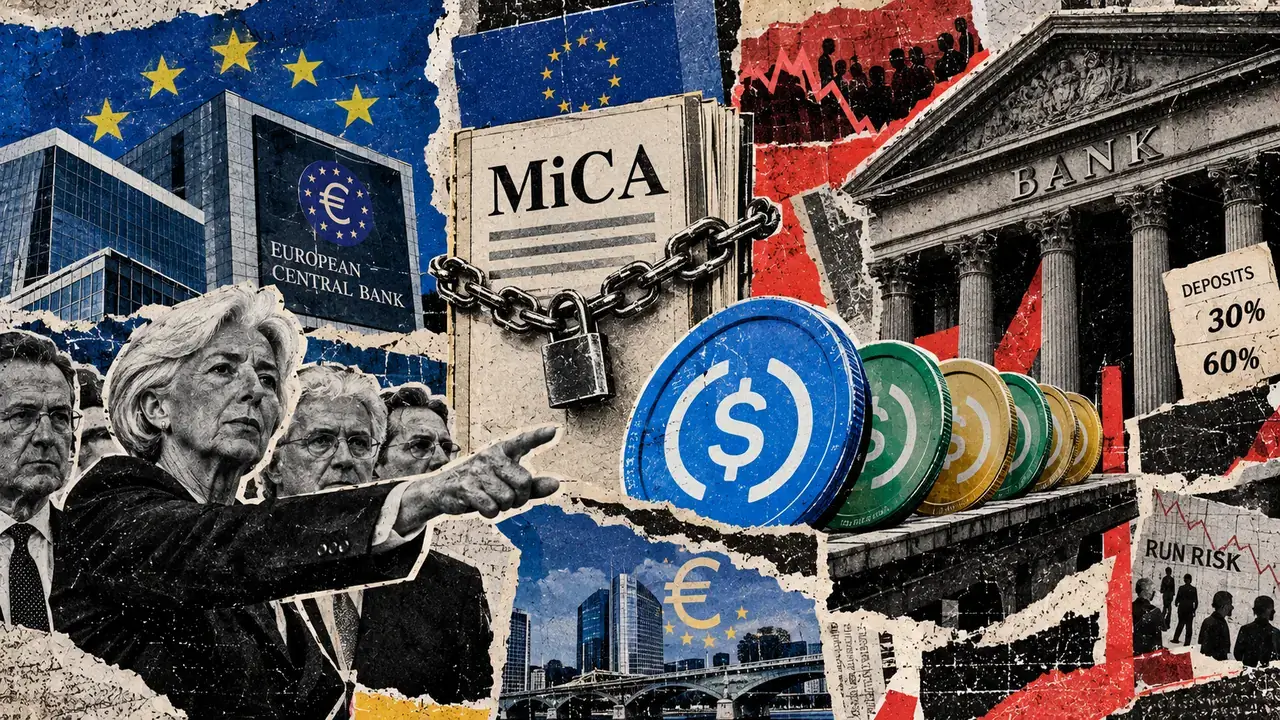
EU central banks attack MiCA rules and stablecoin runs are blamed
Europe’s central banks want the European Union to rethink a rule designed to make stablecoins safer, but that can also link a toke...
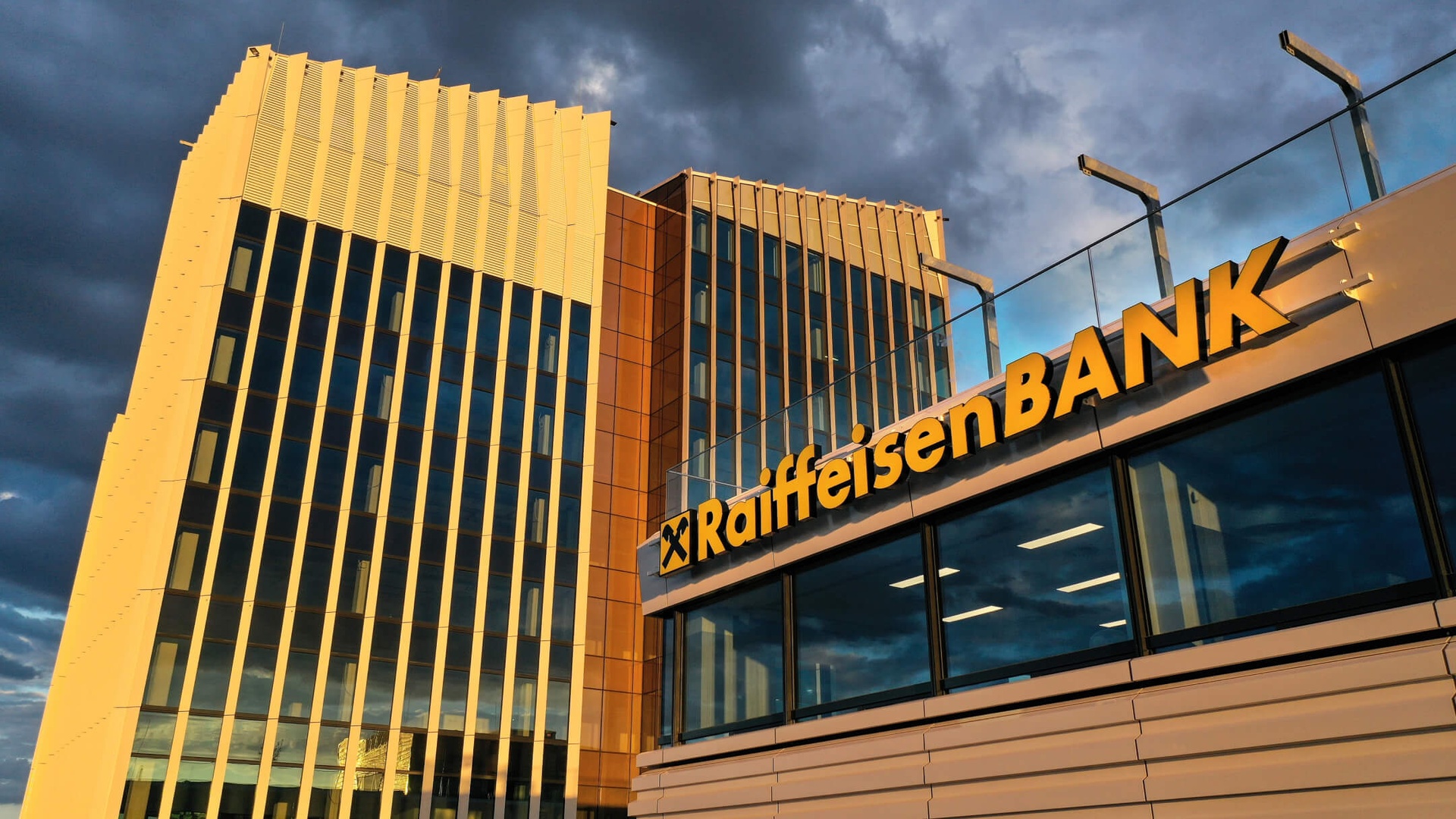
Raiffeisen Bank International to Roll Out Bitcoin Services Across Europe in Expanded Bitpanda Deal
Bitcoin Magazine Raiffeisen Bank International to Roll Out Bitcoin Services Across Europe in Expanded Bitpanda Deal Austrian banki...

Major European bank Raiffeisen taps Bitpanda to offer crypto to 18 million customers
This partnership could accelerate digital asset adoption in Central and Eastern Europe, potentially reshaping regional financial l...

Six Canadian Banks Explore Tokenized CAD Deposits
Key Takeaways: Six major Canadian banks are collaborating on Canadian dollar tokenized deposits to enable centralized, programmabl...

Kalshi denies CFTC investigation amid scrutiny of ether perpetual futures trading patterns
Kalshi's situation highlights the tension between regulatory oversight and market innovation, impacting the future of crypto deriv...