Bitcoin, Ethereum, Monero Hashrates Tap Lifetime Highs — Dash, ETC, LTC Hashpower Lower Than Prior ATHs
During the first month of 2022, both Bitcoin and Ethereum’s hashrates have climbed to all-time highs (ATHs). While Bitcoin’s hashpower surged to over 200 exahash per second (EH/s), Ethereum’s hashpower jumped to over 1 p...
Archive context
Older archive item. Useful for background and entity history, but not a fresh market-moving signal.

During the first month of 2022, both Bitcoin and Ethereum’s hashrates have climbed to all-time highs (ATHs). While Bitcoin’s hashpower surged to over 200 exahash per second (EH/s), Ethereum’s hashpower jumped to over 1 petahash per second (PH/s). A few mineable digital asset networks, however, saw their hashrates decline since their ATHs and the processing power behind these protocols hasn’t returned back to the highs captured long ago.
While Some Hashrates Skyrocket, Processing Power From Other Crypto Networks Remains LacklusterAt the time of writing, Bitcoin’s processing power is coasting along above the 200 exahash per second (EH/s) zone, after touching the ATH it captured on January 15. Six-month hashrate statistics indicate that on Sunday, January 16, 2022, BTC’s hashrate tapped a daily high of 216.50 EH/s.
The top three mining pools on Monday, January 17, include F2pool, Foundry USA, and Antpool, respectively. All three pools have more than 15% of the global hashrate or 29 EH/s of hashpower.
Six-month and all-time metrics also show that Monero’s network hashrate is coasting along at all-time high records as well, with about 3.49 gigahash per second (GH/s) at press time.
In close to four days’ time, Bitcoin’s network difficulty is expected to increase 6.24% which will bring the network difficulty to an all-time high. The estimated difficulty after the next epoch change will be around 25.89 trillion, according to data at the time of writing.
Ethereum’s network hashrate is also managing to hold the 1 PH/s range after first tapping this goal in December 2021. The top mining pool on the Ethereum network is ethermine.org with 295 terahash per second of hashrate, and the percentage of ETH hashrate on Nicehash is 3.66%.
While networks like Bitcoin, Ethereum, and Monero have seen all-time highs, networks like Litecoin have not seen new hashrate ATHs in recent times. LTC’s network hashrate on Sunday is 368.96 TH/s, but during the first week of July 2019, LTC’s hashrate tapped an ATH at 468.50 TH/s.
Today, Dash has a hashrate of around 5.24 PH/s, but in September 2020 it hit 7.14 PH/s. In total, that’s a 26.61% decrease in the network’s hashpower in 16 months.
The Ethereum Classic network has an overall hashrate of 20.37 TH/s on January 17, which is lower than the network’s ATH in June 2021 at over 23 TH/s.
What do you think about Bitcoin, Ethereum, and Monero’s recent hashrate highs? What do you think about the networks that have not returned to ATHs reached months ago? Let us know what you think about this subject in the comments section below.
Why this matters
This ethereum story adds another data point to the current market tape and is useful when read alongside nearby source coverage.
Original source
Read on Bitcoin NewsRelated market context
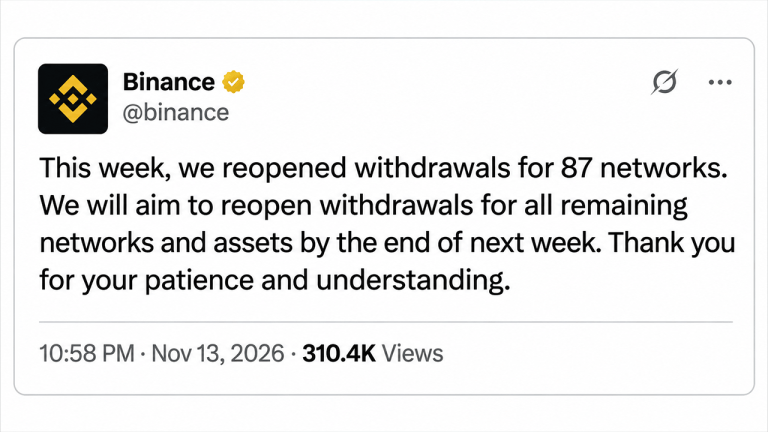
Binance Reopens 87 Networks Following Historic $6.3 Billion Breach
Binance has reopened withdrawals across 87 blockchain networks as the cryptocurrency exchange continues recovering from its devast...
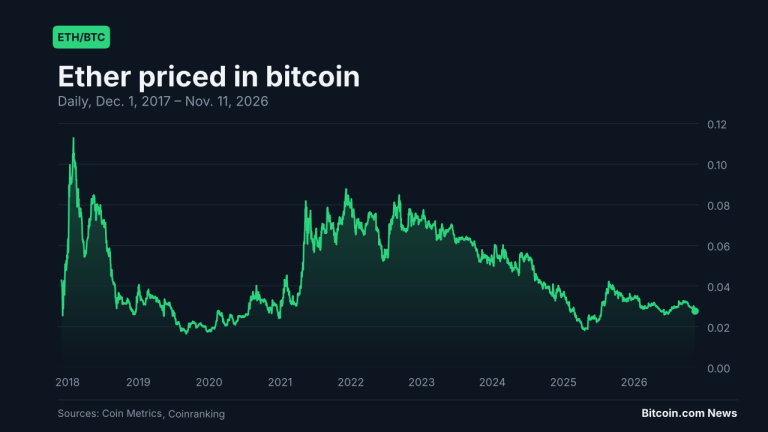
How Buterin Complicates Ethereum’s Wall Street Pitch by Aiming at Bitcoin
Vitalik Buterin’s latest pivot in how Ethereum should be valued might make traditional Wall Street investors dizzy. The narrative...

Ethereum Dancing on Two Fronts as Quantum Upgrade Advances and Treasury Leverage Bites
Ethereum developers want to upgrade the network to be quantum-ready by 2027, potentially accelerating one of its biggest security...

Ethlabs Calls for Ethereum Quantum Protection in 2027 as Upgrade Priorities Shift
TL;DR: Ethlabs proposes quantum readiness in 2027 and plans to withdraw its quick-slots work from Hegotá. Developers still need to...

Ethereum faces temporary issues due to cloud provider malfunction
Cloud dependency highlights Ethereum's vulnerability, urging diversification to ensure network resilience and uninterrupted user a...

Ethereum and Layer 1s Explained
Ethereum 101 explains how Ethereum made blockchains programmable. It covers smart contracts, accounts and the EVM, ETH and gas fee...