Ethereum Co-founder Warns Trump-Backed DeFi Platform Poses Risks To Crypto Industry
In an interview with the Financial Times, Hoskinson’s concerns highlight the growing intersection of politics and cryptocurrency, potentially affecting a market valued at hundreds of billions of dollars. Trump, along wit...
Archive context
Older archive item. Useful for background and entity history, but not a fresh market-moving signal.

In an interview with the Financial Times, Hoskinson’s concerns highlight the growing intersection of politics and cryptocurrency, potentially affecting a market valued at hundreds of billions of dollars.
Trump, along with his sons Donald Trump Jr. and Eric Trump, and property developer Steve Witkoff, recently announced their backing of a new DeFi platform called World Liberty Financial. The platform seeks to transform financial services by eliminating traditional middlemen such as banks and exchanges. However, Charles Hoskinson voiced concerns about this project’s potential impact on the larger crypto industry.
“Trump is launching a DeFi application, and that’s scary to me as an industry, because everything Trump does the left hates with such a passion,” said Hoskinson, “He’s taken a bipartisan thing and he’s making it partisan.”
Trump’s DeFi Push Sparks Crypto Political ClashThe introduction of Trump’s World Liberty Financial platform has the potential to exacerbate the already contentious relationship between cryptocurrency and politics. Hoskinson fears that this move could lead to increased scrutiny and potential legal challenges from Trump’s political opponents.
“The Democrats will attempt to weaponise the institutions of the United States to slow down and damage Trump,” Hoskinson predicted. He speculated that this could result in investigations by the Department of Justice, tax authorities, or the Securities and Exchange Commission (SEC) targeting the new platform. Such actions, he warned, could have far-reaching consequences for the entire crypto industry.
Trump’s move comes as he actively seeks support from the crypto community, despite his earlier doubts about digital currencies. In July, the former president promised to transform the U.S. into a global bitcoin leader and pledged to halt the current administration’s “anti-crypto crusade.”
Challenges in Implementing Crypto-Friendly PoliciesWhile Trump’s pro-crypto stance has garnered support from influential investors like Marc Andreessen, Ben Horowitz, and the Winklevoss twins, Hoskinson remains skeptical about the ability of either major presidential candidate to foster a thriving cryptocurrency industry in the United States.
The Ethereum co-founder pointed out potential obstacles Trump might face in implementing his pro-crypto agenda if elected in November. “I don’t see that level of quality and sophistication in the discourse” with Trump or Harris in crypto, Hoskinson remarked. He also highlighted Trump’s history of high staff turnover as a potential barrier to bringing the right expertise into government to develop the industry effectively.
Despite his concerns, Hoskinson remains optimistic about the potential economic benefits of embracing cryptocurrency. He estimated that the United States could gain “five to ten trillion worth of crypto stuff” over the next decade if appropriate legislation is passed to provide clarity to the market and halt the current trend of legal actions against crypto companies.
Hoskinson expressed more confidence in the legislative branch of U.S. policymaking, citing productive conversations with senators from both major parties, including Republicans Tim Scott and Cynthia Lummis, and Democrat Ron Wyden.
Global Competition in the Crypto SpaceThe impact of political decisions on the cryptocurrency industry extends beyond U.S. borders. Hoskinson, speaking from Singapore, noted the city-state’s growing edge over rival Hong Kong as a crypto center, attributing this shift to Singapore’s political neutrality.
“It’s been easier to exist in Singapore, and it breaks my heart . . . I’m saddened to see how Hong Kong has been absorbed into the political system of mainland China,” Hoskinson said. He added, “There’s a growing distrust the West has with Hong Kong as a safe harbour of capitalism and more people are pivoting their business interests to Singapore.”
The Ethereum co-founder sees a unique opportunity for Singapore to simplify regulations and embrace decentralized identity systems. However, he emphasized that the government must decide whether attracting crypto businesses is a financial priority, pointing to Dubai as an example of a jurisdiction that has made such a commitment.
Why this matters
This ethereum story adds another data point to the current market tape and is useful when read alongside nearby source coverage.
Original source
Read on Brave New CoinRelated market context

Best Crypto Staking Platforms for 2026: 7 Options Compared
Staking is the closest thing crypto has to earning interest: you lock up a proof-of-stake asset to help secure its network, and in...

DeFi hack attack: Three exploits snatch $11M in a single day
Crypto and DeFi projects continue to be hacked at a dizzying pace, and few days in recent weeks have been incident-free. That said...
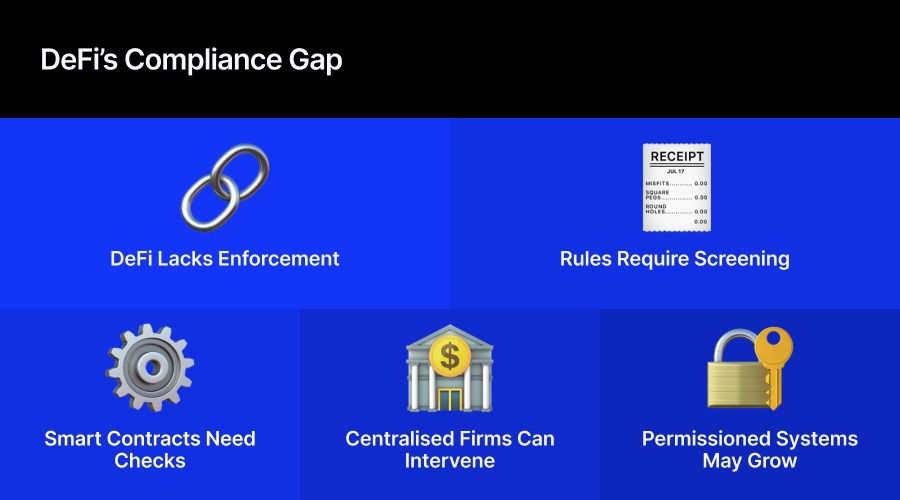
DeFi Was Never Going to Get Its Clarity from US Congress
Last week’s failed CLARITY Act cloture vote will be read as a setback for crypto. That reading misses where decentralized finance...

Ethereum (ETH) Price Prediction: Bulls and Bears Face Off as $3,000 Rally Meets Liquidation Risk
Ethereum price is entering a volatile phase after its latest recovery, with buyers trying to defend the recent breakout while sell...

DeFi protocol Aero set to launch on Oct. 21 across seven chains
Aero's multi-chain launch could significantly enhance DeFi interoperability, potentially expanding market reach and liquidity acro...
US spot Ethereum ETFs pull in $747M over five-day inflow streak
The surge in Ethereum ETF inflows highlights growing institutional interest, potentially boosting Ethereum's market presence and l...