Ethereum Foundation Clear Signing Push Targets Crypto’s Blind Approval Problem
Ethereum Foundation Clear Signing Push Targets Crypto’s Blind Approval Problem is a useful reminder that crypto coverage is not only about token prices. Sometimes the more important story is the infrastructure, regulatio...
Archive context
Older archive item. Useful for background and entity history, but not a fresh market-moving signal.

Ethereum Foundation Clear Signing Push Targets Crypto’s Blind Approval Problem is a useful reminder that crypto coverage is not only about token prices. Sometimes the more important story is the infrastructure, regulation, security, or product layer sitting underneath the market noise.
The immediate point is straightforward: the Ethereum Foundation outlined work around safer clear signing standards. That gives readers something concrete to work with, rather than another vague sentiment update.
TL;DR- The Ethereum Foundation outlined work around safer clear signing standards.
- The goal is to reduce blind approvals when users interact with complex dApps.
- Better signing clarity could help wallets reduce one of crypto’s most common user-side risks.
The timing matters because Ethereum is already part of a wider conversation across the market. Traders want to know whether the development changes liquidity or risk. Builders want to know whether it changes what can be deployed. Compliance teams want to know whether it changes how platforms operate.
In that sense, the story is bigger than one headline. It sits inside the ongoing shift from speculative crypto cycles toward more practical questions: who can use these systems, how safe are they, and whether the underlying incentives actually work.
The best way to read it is with discipline. It is not a guarantee of immediate upside, and it should not be treated as one. But it does add a fresh data point to the way the market is thinking about Ethereum.
The Ethereum AngleFor Ethereum, the important part is the specific mechanism. If this is a security issue, the risk sits in dependencies and user protection. If it is a listing or product launch, the question is access and liquidity. If it is a governance or research proposal, the question is whether the idea can survive implementation.
That is where this update becomes useful. It is not just a label attached to a trend. It gives readers a way to understand what might actually change if the development gains traction.
Crypto has a habit of turning every announcement into a broad market claim. This one deserves a narrower read. The value is in seeing how it affects the users, developers, institutions, or traders closest to the issue.
The Risk SideThere is also a caution attached. Source material can confirm that a development exists, but it cannot prove that adoption will follow. A proposal still needs support. A product still needs users. A chart still needs confirmation. A compliance tool still needs integration.
That is why the responsible reading is not to oversell the story. The stronger takeaway is that this adds to a pattern. The crypto market is steadily becoming more professional, more technical, and more sensitive to real operational details.
Readers should also watch for follow-up signals. That could mean developer feedback, exchange support, regulatory response, wallet adoption, liquidity data, or simply whether market participants continue reacting after the first headline fades.
What Comes NextThe next stage will decide whether this remains a narrow update or becomes part of a larger market theme. In crypto, that difference matters. Plenty of stories look important for a few hours and then disappear. The ones that last usually show up again through usage, liquidity, enforcement, governance, or developer adoption.
For now, this gives the market another piece of information to weigh. It is specific enough to be useful, but still early enough that readers should keep the caveats in view.
That makes it worth covering without pretending it settles anything. The story is a signal, not a final verdict.
The key is not to confuse coverage with certainty. Ethereum stories can move quickly, especially when they touch security, regulation, listings, infrastructure, or price levels. The useful approach is to track the next confirming detail rather than assume the first update carries the whole market story. That is how traders avoid chasing noise and how readers separate a genuine development from another passing headline.
This report is based on information from blog.ethereum.org.
This article was written by the News Desk and edited by Samuel Rae.
Why this matters
Ethereum is showing up inside the Regulation theme, so this story is worth tracking for follow-through rather than treating it as a one-off headline.
Original source
Read on NewsBTCRelated market context

Ethlabs Calls for Ethereum Quantum Protection in 2027 as Upgrade Priorities Shift
TL;DR: Ethlabs proposes quantum readiness in 2027 and plans to withdraw its quick-slots work from Hegotá. Developers still need to...
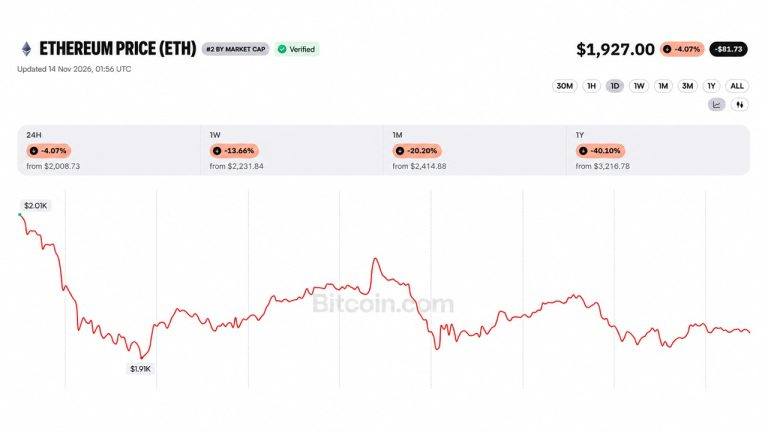
Ether Price Dips Below $2K as Ethereum Foundation Dumps 5000 ETH in 5 Day
A wallet linked to the Ethereum Foundation sold another 1,000 ETH on Saturday, taking its five-day total to 5,000 ETH, or about $9...

Ethereum Foundation sells 2,000 ETH as price hovers near $2,000
The Ethereum Foundation's ETH sales highlight the need for strategic treasury management, balancing liquidity with potential marke...

Aave Proposal Targets $3.5M in Added Annual Revenue Through Reserve-Factor Changes
TL;DR: TokenLogic proposes changes to Aave's reserve factors across 54 reserves. Its model estimates $3.5 million in additional an...

USDC Treasury mints 250M USDC on Solana, boosting network liquidity
The increased USDC supply on Solana may alter liquidity dynamics, potentially affecting asset prices and market sentiment on the n...

Chainlink and Moody’s Complete Testnet Pilot for Cross-Chain Credit Ratings
TL;DR: Chainlink and Moody's Ratings completed a cross-chain distribution pilot using test data. It ran on testnets and did not pu...