Ethereum Proposal Targets Safer AI-Agent Wallets With Asset-Level Spending Limits
An Ethereum Magicians proposal for an asset-enforced spend mandate suggests token-level controls for delegated spending, including AI-agent wallet activity. TL;DR Ethereum developers are discussing an asset-level spend m...
Archive context
Older archive item. Useful for background and entity history, but not a fresh market-moving signal.

An Ethereum Magicians proposal for an asset-enforced spend mandate suggests token-level controls for delegated spending, including AI-agent wallet activity.
TL;DR- Ethereum developers are discussing an asset-level spend mandate for delegated wallets.
- The idea is to bound agent spending with caps, expirations, allowed tokens, and revocation rules.
- The proposal is aimed at safer AI-agent and delegated onchain payments.
- It is still an early discussion draft, not a finalized ERC standard.
Ethereum developers are beginning to wrestle with a practical problem that is only going to get larger: what happens when autonomous agents, delegated wallets, or external scripts are allowed to move funds? In a normal wallet flow, the user signs each transaction. In an agent-driven flow, the user may grant permission once and expect software to act within limits.
The asset-enforced spend mandate proposal tries to place those limits at the token level. Rather than relying only on a wallet, session key, or application policy, the asset itself would consult a gate before allowing transfers. That gate could enforce rules such as per-transaction caps, expiration dates, allowed tokens, and revocation status.
Why The Asset Layer MattersThe key design idea is that controls should travel with the token, not just with a specific wallet interface. If an AI agent’s key is compromised, or if a session goes wrong, the token can still reject transfers that exceed the approved mandate. That is important because many onchain losses happen when approvals are too broad and users do not fully understand what they have authorized.
The proposal describes a small interface that can tell whether an address is gated and whether a transfer is allowed. More importantly, it introduces a machine-readable reason vocabulary. Instead of a failed transfer simply reverting with little context, the system could say whether the request failed because there was no mandate, the mandate expired, it was revoked, the token was not allowed, or the amount exceeded the transaction cap.
AI Agents Raise The StakesAI-agent wallets are still early, but the direction is obvious. If bots are expected to rebalance portfolios, pay invoices, manage treasury sub-accounts, or interact with DeFi protocols, users will need more than a simple yes-or-no approval. They will need boundaries that are readable, enforceable, and revocable.
That puts this proposal in the same broad family as account abstraction, delegated signing, and regulated-token pre-transfer checks. It is not trying to solve identity, compliance, or every possible permissioning problem. Instead, it focuses on a narrow safety primitive: what a holder may spend, enforced by the asset rather than by the agent’s good behavior.
Still Early, But TimelyThe proposal is not a finalized ERC and has not been merged into Ethereum’s standards process. It is being floated for early feedback, which means details could change or never reach production. Still, the timing is notable. Crypto is moving toward more automated wallets, more tokenized assets, and more delegated transaction flows. Without stronger permission controls, the convenience of agentic finance could quickly turn into a new attack surface.
For Ethereum builders, the important question is whether spend limits should live primarily in wallets, apps, or assets. This proposal argues that the token contract itself should have a role. If adopted in some form, that could make AI-agent payments safer without forcing every application to rebuild its own permission system from scratch.
This article was written by the News Desk and edited by Samuel Rae.
This report is based on information from Ethereum Magicians. at Ethereum Magicians Forum
Why this matters
Ethereum is showing up inside the AI Crypto theme, so this story is worth tracking for follow-through rather than treating it as a one-off headline.
Original source
Read on NewsBTCRelated market context

Ethereum staking yield is losing to cash rates, so why are investors still lining up?
Put €10,000 into Ethereum staking at a 2.2% annual return and, if ETH's price stays unchanged, you'll earn about €220 over a year....

Ethereum Glamsterdam Upgrade Delayed Over Smart Contract Security Risks
Ethereum developers have postponed the Glamsterdam upgrade on the Hoodi testnet after researchers identified potential security ri...
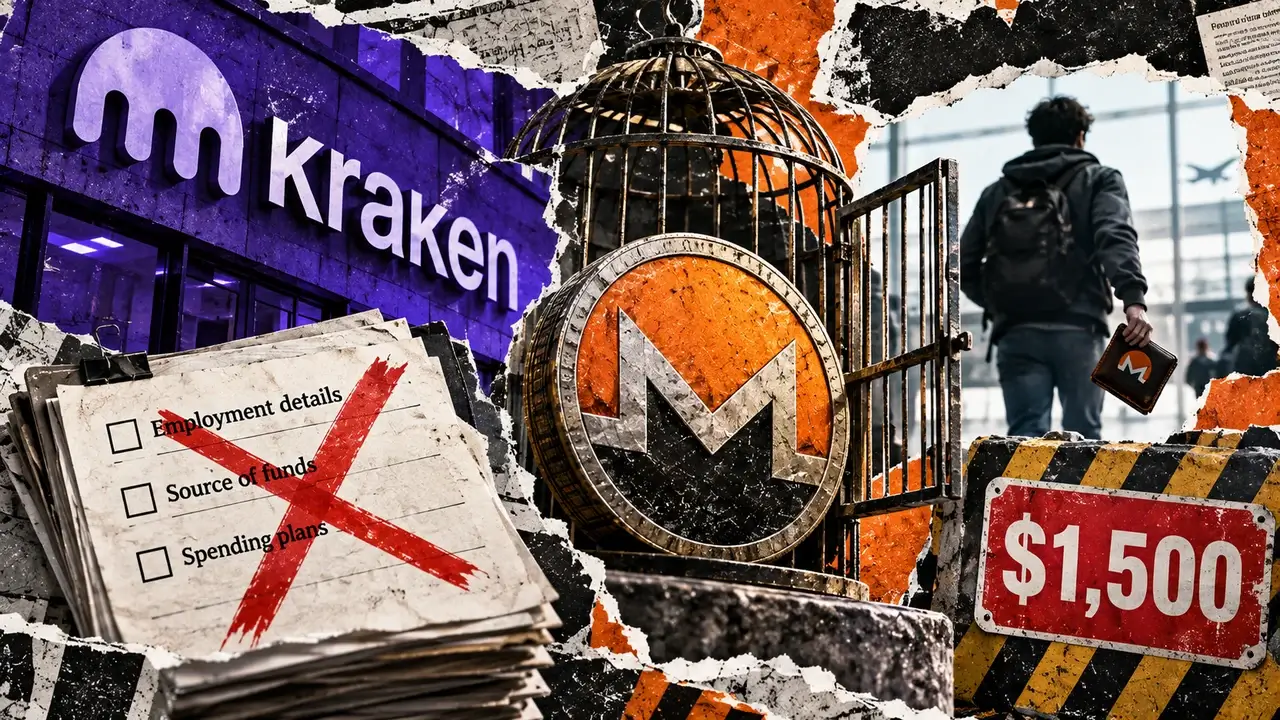
Kraken drops Monero spending questions but keeps a $1,500 rolling 30-day withdrawal cap for individuals
Crypto exchange Kraken has withdrawn intrusive compliance demands sent to Monero customers after its co-CEO admitted the requests...
SEC Puts Tokenization On Its 2027 Examination Agenda
TL;DR: The SEC has named tokenization among its fiscal 2027 examination priorities, bringing the systems behind blockchain securit...
Solayer Pay Adds Five Blockchain Networks For Direct Stablecoin Card Deposits
TL;DR: Solayer Pay says its card app now accepts supported stablecoin deposits from Solana, Ethereum, Arbitrum, BNB Chain and Base...

Solana co-founder Toly floats a validator stake-weighted oracle to mint SOL against tokenized collateral
The proposal could reshape Solana's ecosystem by altering SOL supply dynamics and challenging existing oracle providers, impacting...