Ethereum restaking: Blockchain innovation or dangerous house of cards?
“Restaking” involves reusing staked Ether to earn fees and rewards. The restaked tokens can then help secure and validate other protocols. But many fear restaking could disrupt Ethereum’s chain itself.
Archive context
Older archive item. Useful for background and entity history, but not a fresh market-moving signal.

“Restaking” involves reusing staked Ether to earn fees and rewards. The restaked tokens can then help secure and validate other protocols. But many fear restaking could disrupt Ethereum’s chain itself.
Why this matters
This ethereum story adds another data point to the current market tape and is useful when read alongside nearby source coverage.
Original source
Read on CointelegraphRelated market context

Elon Musk Grok AI Predicts a Bold Move for Ethereum in 2026
When prompted, the Elon Musk-backed Grok AI predicts a bold move for Ethereum (ETH) over the remainder of 2026. It claims that if...

Ethereum Price Prediction: ETH Finally Breaks the Bear Pattern
Ethereum price trades at $2,675 after clearing a bull-flag structure that had capped its bullish prediction for weeks. The breakou...
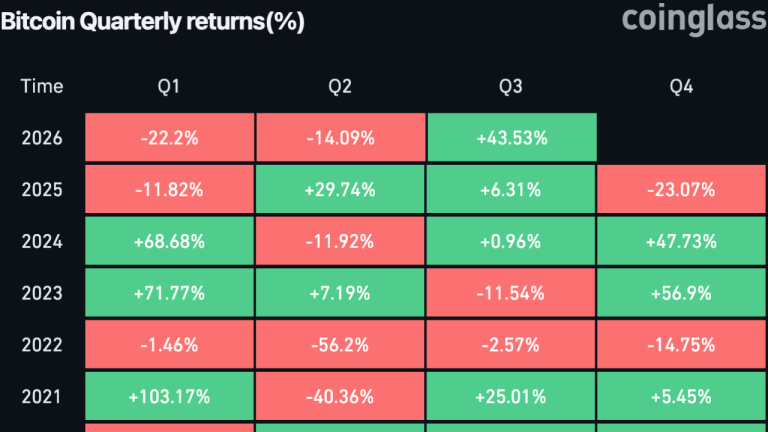
Bitcoin Price Gains 44% for Second-Best Q3 as Ethereum Jumps 71%
Bitcoin is on course for its second-strongest third quarter on record, while ethereum has already delivered its best Q3 performanc...
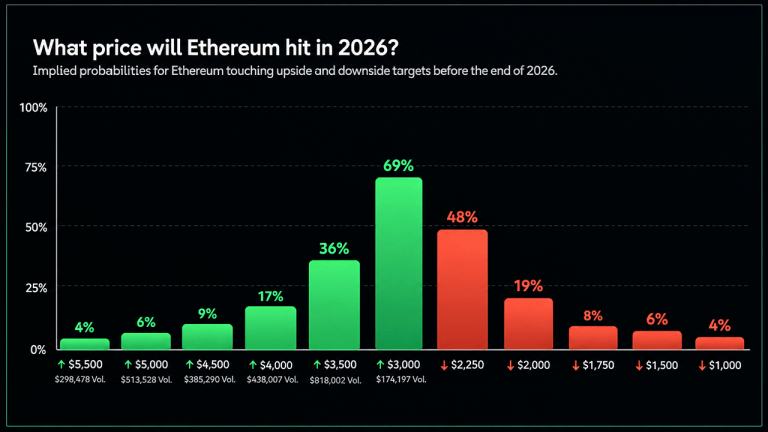
Ethereum, Solana and Zcash Face Wild Year-End Price Predictions
Three cryptocurrencies, three very different bets and millions of dollars riding on what happens before New Year’s Day. Prediction...

PeerDAS has operated successfully for nearly a year on Ethereum
PeerDAS enhances Ethereum's scalability and decentralization, reducing transaction costs and enabling broader participation withou...
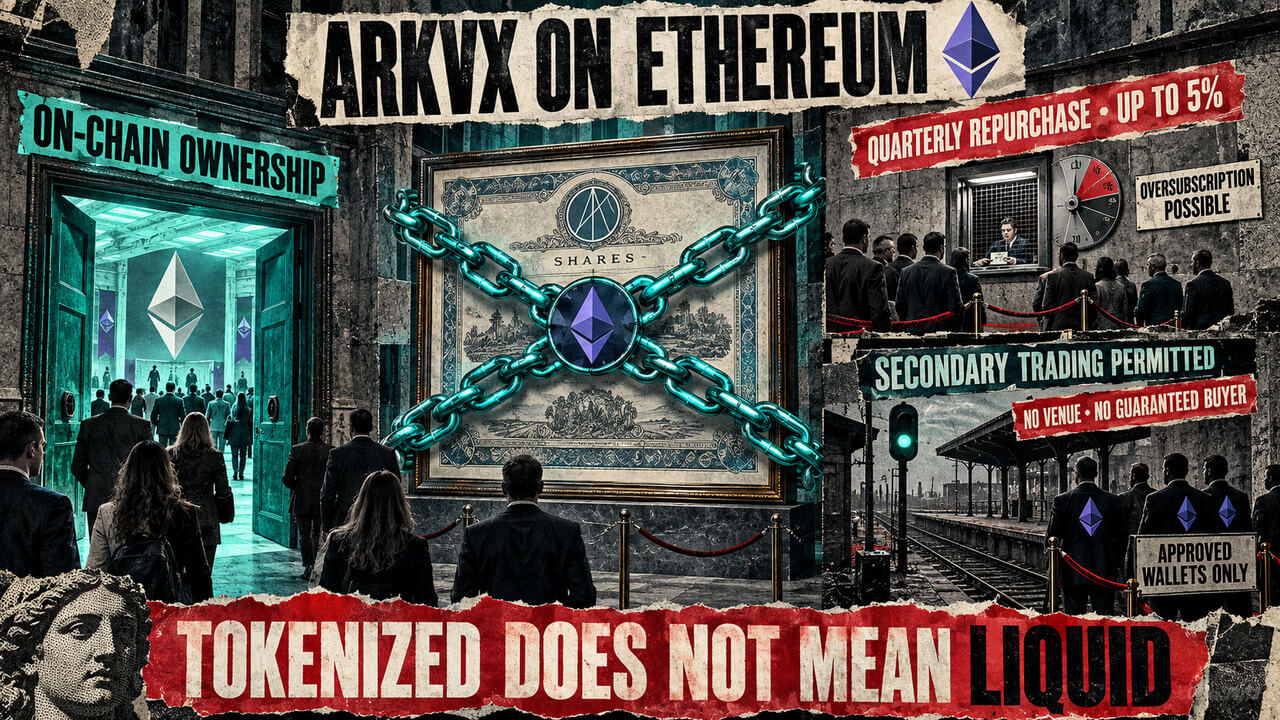
ARK partners with Securitize to put a venture fund on Ethereum, but leaves exit doors locked
ARK Invest and Securitize announced on Sept. 24 that eligible investors would be able to hold tokenized interests in the ARK Ventu...