Ethereum Software Company Consensys Collects User Data, Privacy Policy Discloses
Crypto users have been complaining about a recent Consensys privacy policy update that says when Infura is leveraged as a remote procedure call (RPC) via Metamask, wallet and IP address data is collected. The news follow...
Archive context
Older archive item. Useful for background and entity history, but not a fresh market-moving signal.

Crypto users have been complaining about a recent Consensys privacy policy update that says when Infura is leveraged as a remote procedure call (RPC) via Metamask, wallet and IP address data is collected. The news follows a similar decision the decentralized exchange (dex) platform Uniswap recently made concerning data collection. The dex platform’s operator, Uniswap Labs, revealed that the company’s software collects its users’ onchain data to bolster “data-driven decisions that improve user experience.”
Consensys Privacy Policy Reveals User Data CollectionThe digital currency community and the social media demographic known as ‘crypto Twitter’ (CT), has been talking an awful lot about Consensys’ privacy policy. The privacy policy applies to the firm’s Ethereum infrastructure platform Infura and the Web3 wallet Metamask.
According to the policy, if a user leverages Infura and an RPC using Metamask, the software will collect the user’s crypto address and IP information. Infura, however, is Metamask’s default RPC provider and another RPC can be utilized. For instance, if a user operates its own node. Users can also switch to another RPC like Tatum, Moralis, Alchemy, and Quicknode.
"ConsenSys is committed to maintaining the highest standards when it comes to your privacy"
Also, we collect basically every available piece of data from you other than a DNA sample.
If you aren't using a custom RPC for Metamask, I'd suggest doing so now. pic.twitter.com/WizpplYRFE
— ℭ𝔶𝔭𝔥𝔯.Ξ𝔱𝔥 (@CyphrETH) November 24, 2022
If the user switches the RPC calls on Metamask from Infura to something else, the user’s crypto address and IP information won’t be collected. The Consensys move follows Uniswap Labs explaining a similar decision in a blog post called “Uniswap Labs’ Commitment to Privacy.”
Uniswap’s decision was criticized a great deal and Consensys’ privacy policy started making the rounds on Nov. 24. The Metamask and Infura subject has been getting just as much flak on social media and crypto-related forums. Bitcoin supporter and editor at satoshipapers.org, Tuur Demeester, shared his two cents about the situation.
“Etherean wakes up to the value of running his own full node, only to realize that’s no longer an option,” Demeester tweeted. “To wit: First centralized stakers began censoring transactions. Now Metamask, the main [Ethereum] access provider, is recording IP and wallet addresses.”
Ethereum supporter Adam Cochran said it was a “dumb move.” “Alright this Metamask privacy lapse is yet another dumb move from Consensys,” Cochran tweeted. “Shill me your best easy self-hosted nodes either hardware or SaaS service,” he added.
Metamask tweeted about the situation on Nov. 24 explaining that the privacy policy was updated the day prior. “The language in our privacy policy was updated on November 23rd,” the Metamask wallet’s official Twitter account said. “Nothing has changed in the way MetaMask and Infura operate. Here’s a statement clarifying what we do with user data (spoiler: nothing).”
The statement Metamask shared was a blog post published by Consensys which says “the updates to the policy do not result in more intrusive data collection or data processing, and were not made in response to any regulatory changes or inquiries.”
What do you think about Consensys’ privacy policy update? Let us know what you think about this subject in the comments section below.
Why this matters
This ethereum story adds another data point to the current market tape and is useful when read alongside nearby source coverage.
Original source
Read on Bitcoin NewsRelated market context
Binance Wallet lets users pay gas fees in USDT across four major networks
Binance Wallet's USDT gas fee option simplifies crypto transactions, potentially increasing user adoption and reducing reliance on...
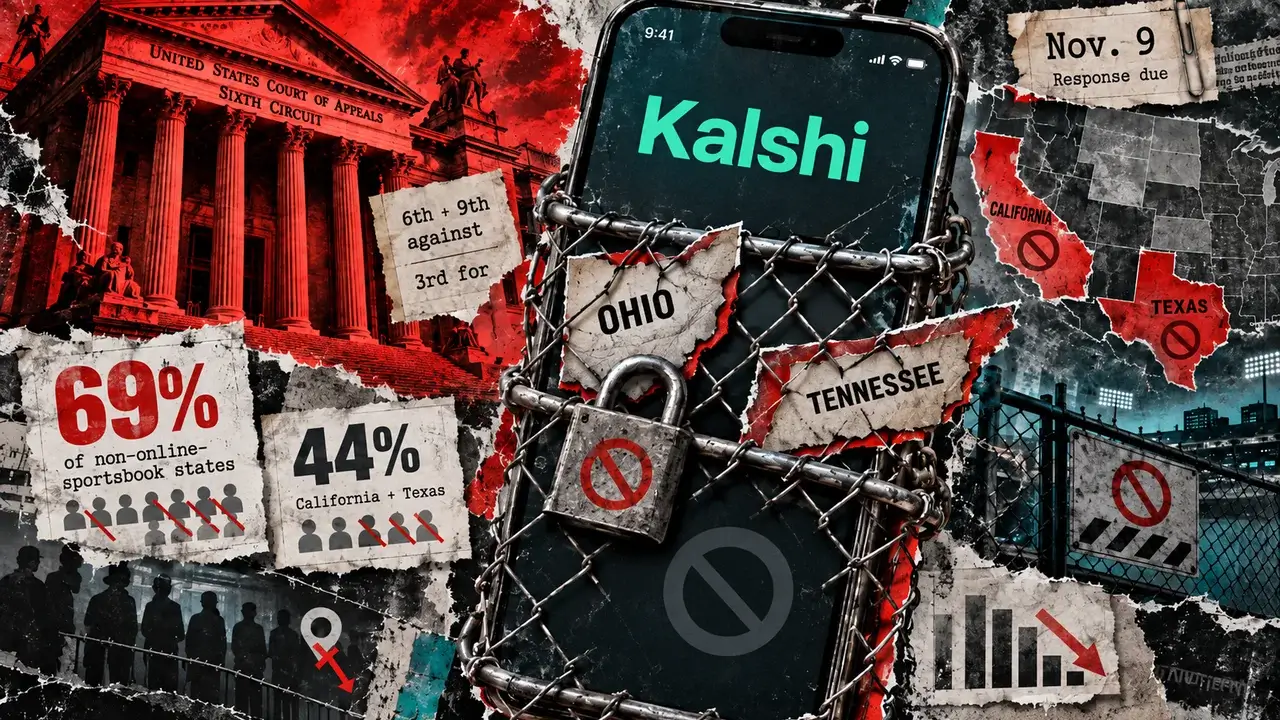
Kalshi must lock out state users after major court loss
The Sixth Circuit ruled Sept. 25 that Ohio and Tennessee can apply their gambling laws to Kalshi's sports contracts. The court rej...

Ethereum’s 2030 Shift: Vitalik Maps a Cryptographic World Computer Beyond Blockchain
Key Takeaways: According to Vitalik Buterin, Ethereum is going further than simply being a blockchain to “cryptographic world comp...

Vitalik Buterin Says Hegota Will Likely Be Ethereum’s Last ‘Normal’ Fork
Ethereum co-founder Vitalik Buterin says the network’s upgrades will change in kind once Hegota ships next year, with each later f...
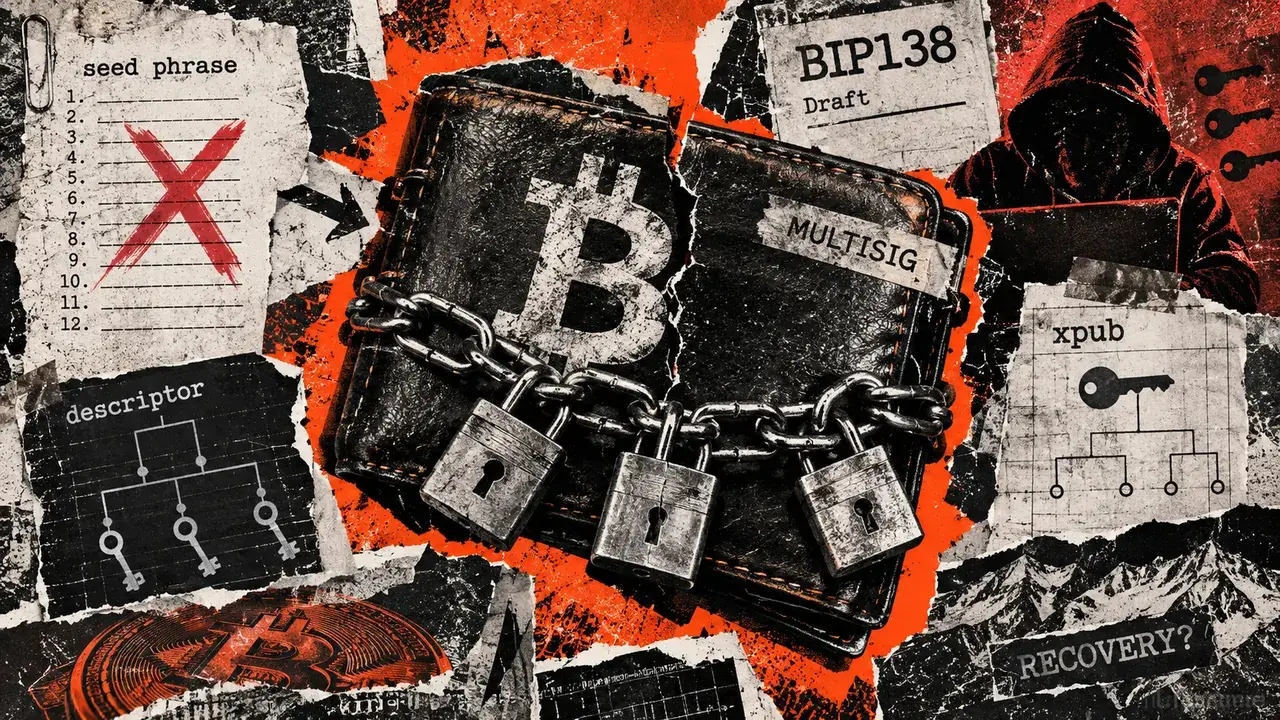
New Bitcoin proposal rescues locked multisig wallets – At a hidden cost
Bitcoin's BIP138 wallet-backup proposal was merged into the Bitcoin Improvement Proposals repository on Sept. 21, but the specific...
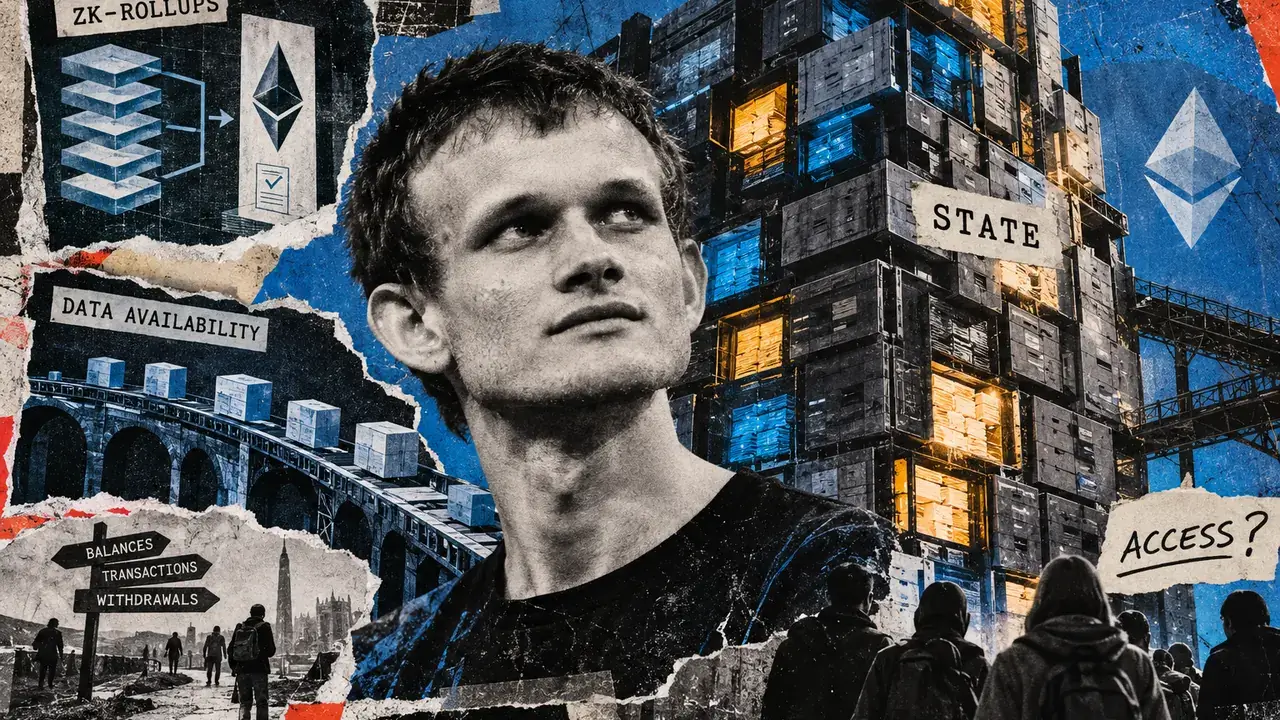
Ethereum’s next scaling leap may come from making everyone stop doing the same work
Ethereum co-founder Vitalik Buterin says advances in cryptography could turn decentralization from a performance cost into a scali...