Ethereum’s 2026 Overhaul Aims To Cut Costs, Boost Speed, Limit Censorship
According to reports, Ethereum plans two major hard forks in 2026 that aim to change how the network runs. Mid-2026 will see the Glamsterdam upgrade, and late 2026 is set for Heze-Bogota. These steps are meant to speed u...
Archive context
Older archive item. Useful for background and entity history, but not a fresh market-moving signal.

According to reports, Ethereum plans two major hard forks in 2026 that aim to change how the network runs. Mid-2026 will see the Glamsterdam upgrade, and late 2026 is set for Heze-Bogota. These steps are meant to speed up transaction handling, add new validation tools, and make the chain harder to censor.
Ethereum Trading, Options PressureEthereum is currently above $2,900 as the market awaits a large options expiry. Reports put the expiring notional at $6 billion, with more call options than puts. Many contracts could end up worthless if ETH fails to rise above $3,100, the so-called max pain level.
Analysts see a consolidation range between $2,700 and $3,100 into year-end, and some experts offer a bearish 2026 view, pointing to possible drops toward $1,800–$2,000 if broader market conditions worsen.
Parallel ExecutionGlamsterdam targets parallel processing by letting multiple transactions run at the same time instead of one after another. Block access lists will tell nodes which data each transaction needs, which makes parallel work safer and more efficient.
Ethereum will undergo key upgrades in 2026, with the Glamsterdam fork enabling parallel processing and increasing the gas limit to 200 million, up from 60 million. Validators will shift to validating ZK proofs, paving the way for Ethereum L1 to achieve 10,000 transactions per…
— Wu Blockchain (@WuBlockchain) December 25, 2025
Protocol-level proposer-builder separation, or ePBS, is also planned. That move is expected to cut some centralization risks and make it easier for validators to use zero-knowledge (ZK) proofs without being penalized for extra compute time.
Gas limits are expected to rise in stages, with talk of reaching 200 million per block after key changes land. About 10% of validators could start verifying ZK proofs rather than rechecking all transactions by year-end, based on current projections.
The push toward parallel execution could reduce slowdowns that happen when demand spikes. But higher gas limits come with tradeoffs. Running bigger blocks or faster workloads can raise hardware needs, which could make it harder for smaller validators to stay in the network. That balance between speed and decentralization will be watched closely.
Layer-2 Throughput Could Jump SharplyA major part of the story is layer-2 scaling. Increasing the number of data blobs per block to 72 or more would give L2 systems much more space to store transaction data, which could let them process hundreds of thousands of transactions per second in aggregate.
Designs like ZKsync’s Elastic Network aim to let users keep money on Ethereum while using faster L2s. An interoperability layer is also being discussed to move activity between different L2s more easily. Still, user experience, liquidity splits, and coordination between chains remain open issues that need work.
Heze-Bogota: Censorship ResistanceHeze-Bogota will add tools to help groups of validators make sure certain transactions are included. Fork-choice inclusion lists are meant to reduce the risk that transactions get blocked if only part of the network remains honest. That change is more about values and permissionless access than it is about raw speed.
Featured image from Firi, chart from TradingView
Why this matters
This ethereum story adds another data point to the current market tape and is useful when read alongside nearby source coverage.
Original source
Read on NewsBTCRelated market context

L2 growth and $120 billion in staking hide Ethereum’s supply reality
Ethereum's institutional data hub showed about $120 billion in staked ETH and $40.4 billion in daily average total value locked on...

Ondo Unlocks $3.6B Tokenized Market With Direct Stock-to-Token Conversions
Key Takeaways: Ondo Finance has now introduced the ease of converting legacy shares into tokenized stocks and ETFs for approved in...
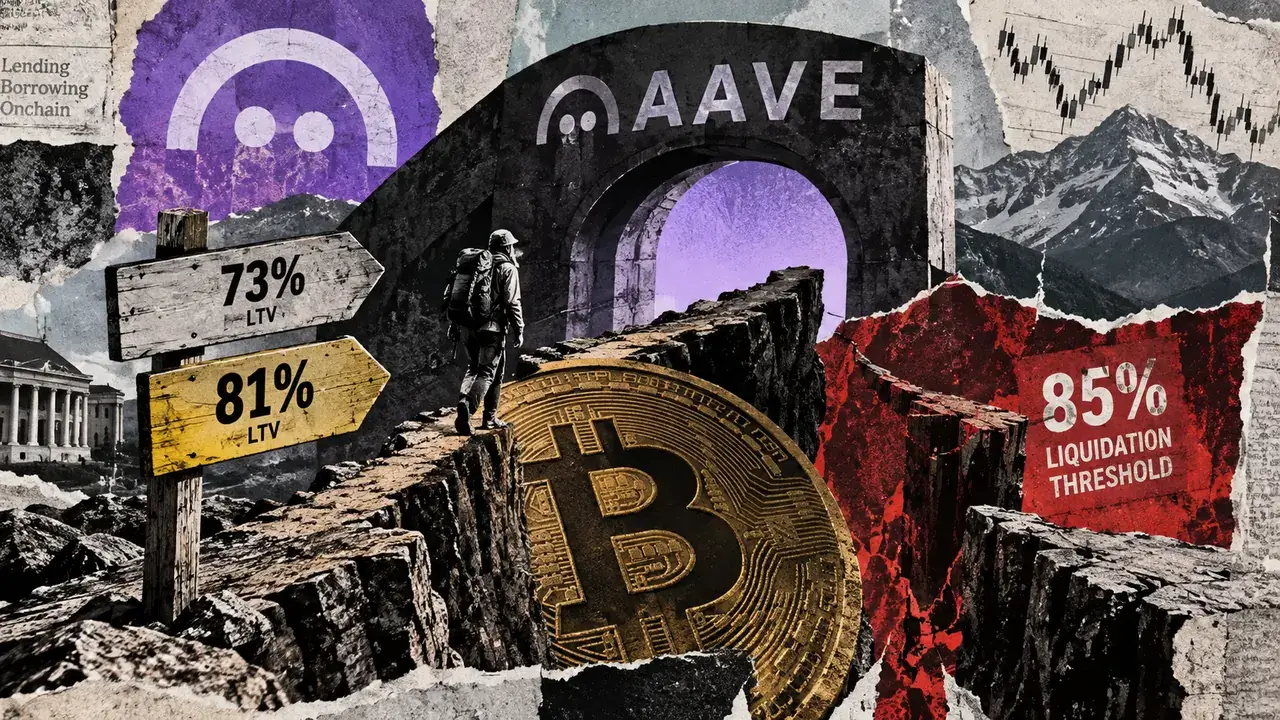
Narrowing price cushions leave Bitcoin loans vulnerable to 4.7% price dips as Aave weighs higher leverage
Aave governance has advanced a proposal that would give Bitcoin-backed borrowers materially more leverage while leaving less room...

ECB Launches Pontes to Move €1.6B Tokenized Market Into Central Bank Money
Key Takeaways: The European Central Bank has launched Pontes, a tool that will allow wholesale transactions of tokens to be settle...

x402’s $50B Scale Gives Solana an AI Payments Edge
Solana’s x402 protocol has processed roughly $50 billion in volume and connected about 150,000 merchant endpoints, according to a...
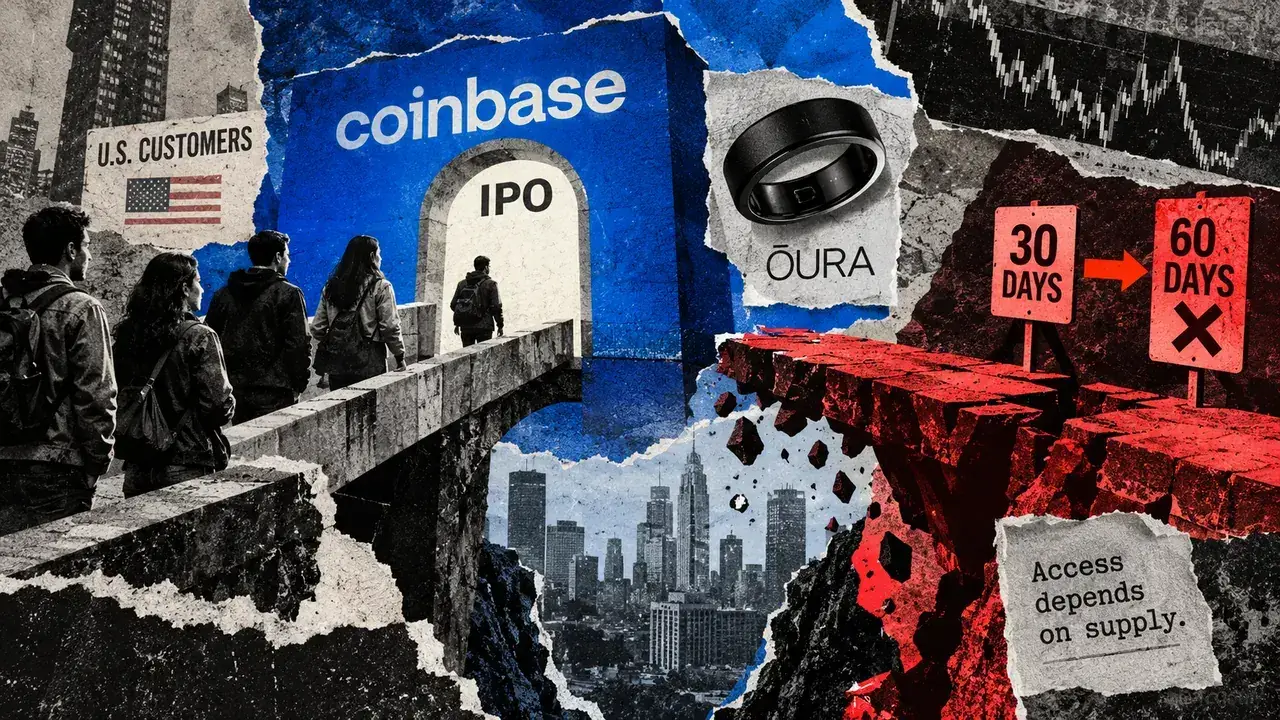
Coinbase pushes beyond crypto with retail access to $2.2 billion Oura IPO
Coinbase has expanded its push beyond crypto by giving eligible US customers access to IPO shares at the offer price before public...