Ethereum’s Underwater Supply Matches Post-FTX Capitulation Bottom
Ethereum’s latest drawdown has pushed a major share of ETH supply back underwater, with Glassnode data cited by market trackers showing supply held at an unrealized loss near levels last seen around the post-FTX capitula...
Archive context
Older archive item. Useful for background and entity history, but not a fresh market-moving signal.

Ethereum’s latest drawdown has pushed a major share of ETH supply back underwater, with Glassnode data cited by market trackers showing supply held at an unrealized loss near levels last seen around the post-FTX capitulation period.
TL;DR- Glassnode’s ETH supply-in-loss metric is being watched as a capitulation signal.
- The reading has been compared with the painful post-FTX bottom zone from November 2022.
- A high underwater supply does not guarantee a bounce, but it can show seller exhaustion.
- ETH bulls still need price confirmation before treating the setup as a durable bottom.
The key data point is Glassnode’s ETH supply in loss chart, which tracks the amount of Ethereum supply held below its on-chain cost basis. When this number rises sharply, it means more coins are sitting at an unrealized loss, often after a steep market reset.
That makes the current reading important for traders watching whether Ethereum is entering another capitulation-style zone. The comparison with the post-FTX period is especially sensitive because November 2022 marked one of the harshest sentiment resets in crypto’s recent history. Back then, forced selling, exchange fear, and widespread investor losses helped form a painful but ultimately important market base.
Why Underwater Supply Can MatterSupply in loss is not a magic bottom indicator. It does not tell traders that ETH must rebound immediately, and it does not remove macro risk. What it can show is the scale of pain already embedded in the market. When a large share of holders are underwater, two things can happen: weaker hands continue to sell into pressure, or sellers become exhausted because much of the speculative excess has already been flushed out.
That is why on-chain metrics are most useful when combined with price structure. If Ethereum starts reclaiming key levels while supply in loss remains elevated, the setup can point to accumulation. If price keeps breaking lower, the same data simply confirms that stress is still spreading.
The Post-FTX Comparison Is Powerful, But Needs CareThe post-FTX comparison is emotionally powerful because that period turned into a major market low. But it would be too simple to say the same thing must happen again. Ethereum’s market structure is different now, liquidity conditions are different, and institutional exposure to crypto has changed.
The more useful read is that ETH is again in a zone where long-term investors may start paying closer attention. High underwater supply can create poor short-term sentiment, but it can also leave less room for panic if the most fragile holders have already capitulated.
What Traders Are Watching NextFor traders, the next confirmation will come from price, not the metric alone. ETH needs to stabilize, reclaim lost support, and show stronger spot demand before the underwater-supply signal becomes more constructive. Until then, the data is best read as a stress gauge rather than a standalone buy signal.
Still, this is the kind of on-chain setup that matters. When the market looks bleak and a large share of supply is underwater, the next move often says a lot about whether investors are still distributing or whether a more durable base is beginning to form.
This article was written by the News Desk and edited by Samuel Rae.
Originally tracked by Glassnode at Glassnode
Why this matters
Ethereum is showing up inside the Layer 2 theme, so this story is worth tracking for follow-through rather than treating it as a one-off headline.
Original source
Read on NewsBTCRelated market context

Ethereum and Layer 1s Explained
Ethereum 101 explains how Ethereum made blockchains programmable. It covers smart contracts, accounts and the EVM, ETH and gas fee...

Ethlabs Calls for Ethereum Quantum Protection in 2027 as Upgrade Priorities Shift
TL;DR: Ethlabs proposes quantum readiness in 2027 and plans to withdraw its quick-slots work from Hegotá. Developers still need to...

Bitcoin Price Today: Negative Funding Rates Signal Growing Bearish Bets as BTC Nears $68K
The latest data presents a mixed picture, however, as Hyperliquid whales have returned to net-long positions despite deteriorating...

Ethereum Dancing on Two Fronts as Quantum Upgrade Advances and Treasury Leverage Bites
Ethereum developers want to upgrade the network to be quantum-ready by 2027, potentially accelerating one of its biggest security...

LIVE – Why Is Crypto Down? $14.2B Stablecoin Drain Turns a Bad Morning Into a Market-Wide Rout
Why is crypto down? Bitcoin crashed below $69,000 just now, dragging the crypto markets into another brutal selloff. Ethereum slip...
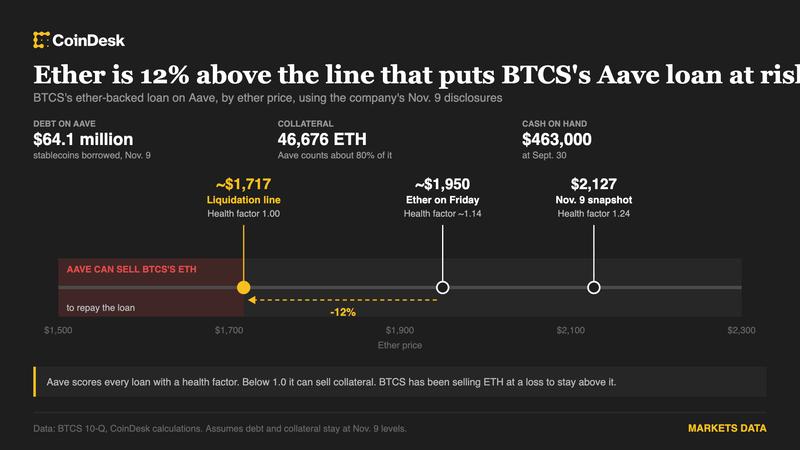
Ethereum treasury firm BTCS sold ether at a loss to keep $64 million Aave loan healthy
The Nasdaq-listed company has 46,676 ETH backing its borrowings, and the loan could become eligible for liquidation if ether slide...