Grayscale Ethereum ETF suffers nearly $2 billion outflow since debut
Grayscale's Ethereum ETF outflows highlight investor preference for lower-fee alternatives, impacting market dynamics and fund strategies. The post Grayscale Ethereum ETF suffers nearly $2 billion outflow since debut app...
Archive context
Older archive item. Useful for background and entity history, but not a fresh market-moving signal.

Grayscale's Ethereum ETF outflows highlight investor preference for lower-fee alternatives, impacting market dynamics and fund strategies.
The post Grayscale Ethereum ETF suffers nearly $2 billion outflow since debut appeared first on Crypto Briefing.
Why this matters
This ethereum story adds another data point to the current market tape and is useful when read alongside nearby source coverage.
Original source
Read on Crypto BriefingRelated market context

Bitcoin ETFs Shed $2.35 Billion in Two Weeks as BlackRock’s Outflow Streak Hits 11
Bitcoin ETF outflows have reached $2.347 billion across the first two completed November trading weeks, leaving a persistent hole...

Bitcoin ETFs bleed $1.07 billion in second straight billion-dollar outflow week
US spot Bitcoin ETFs bled $1.07 billion in the week to November 13, a second straight billion-dollar outflow week. Total losses hi...
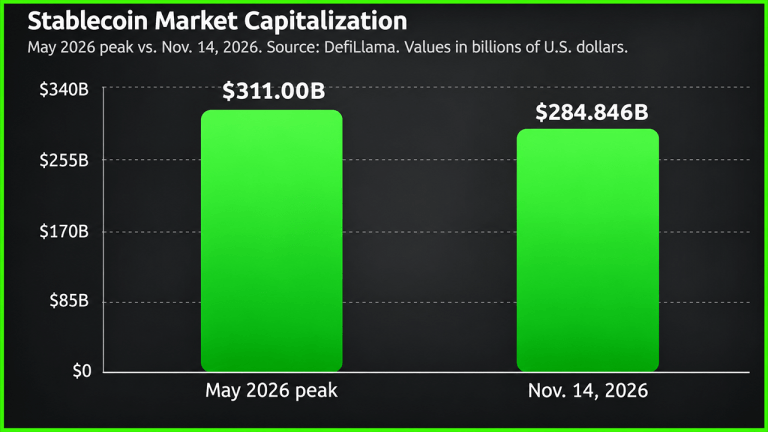
2022 Vibes: $26 Billion Vanishes From Stablecoin Market Since May Peak
The stablecoin economy has surrendered $26.15 billion since its May 2026 peak, while tokenized U.S. Treasury funds are also contra...
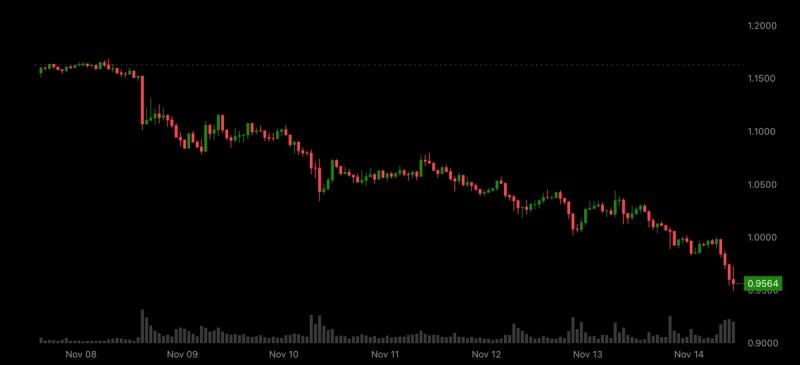
XRP crashes to its lowest since November 2024 as money leaves crypto
XRP tanked to its lowest level since November 2024 as ETF outflows and shrinking stablecoin supply add to pressure on crypto marke...

Hong Kong man loses nearly HK$18M in crypto scam that started with a YouTube ad
The rise in sophisticated online scams highlights the urgent need for enhanced digital literacy and stricter regulations to protec...

Crypto liquidations surge past $1.9 billion as Bitcoin nears $63,000
The surge in crypto liquidations highlights market volatility and investor fear, potentially influencing future monetary policy an...