Here’s How Long The Majority Of New Ethereum Wallets Are Used Before They’re Dumped
Ethereum is currently the leader in decentralized finance, non-fungible tokens, and smart contracts, and it continues to maintain its position as the dominant cryptocurrency in the altcoin market. This has led to Ethereu...
Archive context
Older archive item. Useful for background and entity history, but not a fresh market-moving signal.

Ethereum is currently the leader in decentralized finance, non-fungible tokens, and smart contracts, and it continues to maintain its position as the dominant cryptocurrency in the altcoin market. This has led to Ethereum having the highest rate of creation of new addresses when compared to the other blockchains. However, data suggests most of these new addresses are dumped just after a few days.
New Ethereum Wallets Are Used for Only a Short TimeEthereum is second to Bitcoin in terms of unique addresses. Ycharts estimates put the number of unique addresses on the Ethereum network to around 239.62 million. However, on-chain transaction data shows that if you’ve just created a new Ethereum wallet, chances are you won’t be using it for long.
According to crypto data analyst Jack Gorman, over 70% of new Ethereum wallets are used for less than 30 days before the owners stop transacting completely. While taking to a customized graph on Dune Analytics, a blockchain ecosystem analytics platform, the data analyst noted the rate of creation and abandonment of new Ethereum addresses.
The data show that Ethereum has one of the highest rates of new addresses, with 2 million new wallets per month. In the past year alone, more than 26.69 million wallets were created. However, most new addresses display minimal activity, with 66% only active for one day and 95.5% being active for less than ten days. For instance, in May 2023, 2.41 million addresses were created, with only 6.91% making transactions after 30 days.
Overall, monthly active addresses total around 4.5 million to 7 million. This means that most wallets don’t last long, and only 1.9 million are active for more than 10 days. Fewer addresses are used frequently and long-term, with only 400,000 addresses completing more than 100 transactions in the past year.
Why Are There So ETH Addresses?Ethereum has had one of the most impressive adoption rates in recent years. The creation of new addresses provides valuable insights into improving adoption and longevity, and the creation and abandonment of addresses can be traced to airdrop hunters. Airdrop hunters create multiple addresses with the sole aim of farming ERC-20 tokens from airdrops.
While the retention rate of new wallets is really low, Ethereum is blessed with various holders, including smart contract addresses and centralized exchanges. The Eth2 Beacon Deposit Contract has the largest address, boasting more than 27.6 million ETH and a 22.9% stake in the network.
Why this matters
This ethereum story adds another data point to the current market tape and is useful when read alongside nearby source coverage.
Original source
Read on NewsBTCRelated market context

SEC clears regulatory hurdle as crypto token buybacks hit record $638 million
Crypto projects spent about $638 million with token buybacks through late August 2026, according to Allium Labs data. That is alre...

Washington has $114 billion reasons to want Tether around
Not that long ago, Washington fined Tether for misleading people about the dollars behind its tokens. Today, the company's insatia...

US Charges Man After Crypto Scam Wallets Received More Than $53M
TL;DR U.S. prosecutors have charged a Vietnamese national with money laundering tied to alleged cryptocurrency “pig butchering” sc...

The NFT party is over and everybody now owes storage rent
In 2021, Christie's sold a Beeple NFT for $69.35 million, and Sotheby's took another $24.40 million for 101 Bored Ape Yacht Club N...

ARK partners with Securitize to put a venture fund on Ethereum, but leaves exit doors locked
ARK Invest and Securitize announced on Sept. 24 that eligible investors would be able to hold tokenized interests in the ARK Ventu...
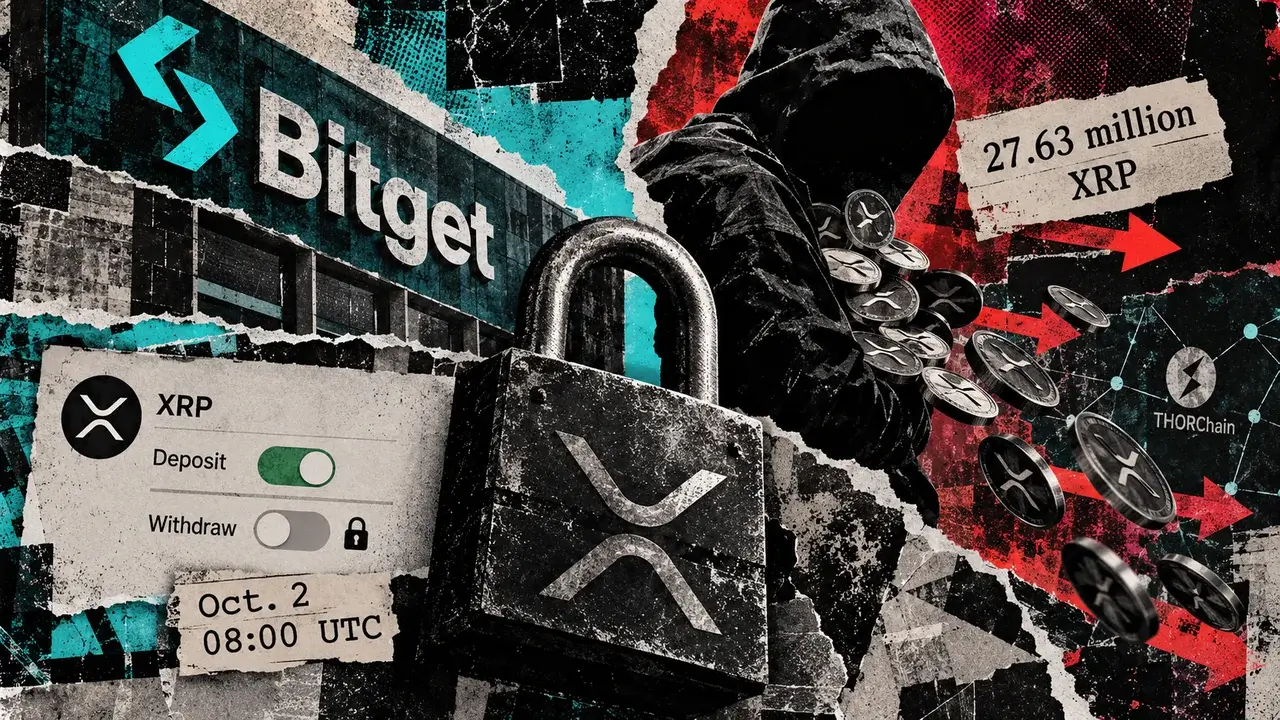
Bitget freezes XRP withdrawals as 27M stolen tokens move
Bitget’s XRP withdrawal route was still disabled on Sept. 26, even as the exchange set Oct. 2 at 08:00 UTC for the last phase of i...