OKX Releases Proof of Reserves, Shows $7.5 Billion in BTC, ETH and USDT
OKX, a major crypto exchange formerly known as OKEx, has published an enhanced version of its proof of reserves (PoR), showing $7.5 billion in assets. According to the newest release, the platform is overcollateralized.O...
Archive context
Older archive item. Useful for background and entity history, but not a fresh market-moving signal.

OKX, a major crypto exchange formerly known as OKEx, has published an enhanced version of its proof of reserves (PoR), showing $7.5 billion in assets. According to the newest release, the platform is overcollateralized.
OKX Publishes New PoR
The reserve ratio for Bitcoin and Ethereum reached 105% and 101% for USDT, according to an audit conducted on 18 January 2023. OKX's users hold a total of 117,682 BTC, 1,178,993 ETH and 2,955,696,824 USDT.
The latest report came in as a response to an indicator prepared by CryptoQuant, which measures the 'cleanness' of the reserves presented by exchanges. Cleanness is defined as the level of dependence of an exchange on its native token. CryptoQuant's data shows that OKX's funds are 100% clean, compared to Binance's 87% and Huobi's only 60%.
According
to Haider Rafique, OKX's Chief Marketing Officer, the exchanges will track each
other's PoS in the coming months, ultimately leading to improvements in their
quality and transparency. The exchange plans to publish an enhanced proof of
reserves report once a month to provide users with insight into the current
state of their funds.
Reserves cleanness has become crucial at the moment due to the collapse of the FTX exchange and its affiliated company Alameda Research. As has been established, a sizable portion of Alameda's financial balance sheet consisted of FTT, the exchange's native token.
Watch the recent FMLS22 panel on crypto market conditions and structure.
Proof of Reserves Is a Must
Cryptocurrency exchanges began implementing proof of reserves (PoR) last November. A PoR is an independent third-party audit to confirm that a digital asset custodian actually holds the assets it claims to have accumulated in its reserves to secure customer deposits.
In December, the Crypto.com exchange published its PoR audit. Similar to OKX, the platform is overcollateralized with an asset-reserve ratio of 102% for BTC, 101% for ETH and 102% for USDC. In addition, the platform allowed its users to check their assets independently.
In the same month, Bitget exchange presented its PoR, putting the 'Merkle Validator' tool in the hands of users. With its help, traders can audit their own accounts and check the safety of their funds.
One of the first to present proof of reserves was the Binance exchange. It released a PoR report for Bitcoin in November, implementing it for the other major tokens in the following weeks, including its native token BNB and stablecoin BUSD.
Liabilities
However, there has been a lot of criticism in the industry suggesting that PoRs do not necessarily show an accurate picture of a company's financial health. A Proof of Reserve is just a snapshot, a momentary record of an asset's condition. Therefore, before it is executed, the exchange may transfer funds so that the values check with deposits.
According to Jesse Powell, the CEO of the cryptocurrency exchange Kraken, showing reserves without showing the liabilities side of the balance sheet is pointless.
"The Merkle Tree is just hand-wavey bullshit without an auditor to make sure you didn't include accounts with negative balances. The statement of assets is pointless without liabilities," he stated.
This article was written by Damian Chmiel at www.financemagnates.com.Why this matters
This ethereum story adds another data point to the current market tape and is useful when read alongside nearby source coverage.
Original source
Read on Finance MagnatesRelated market context
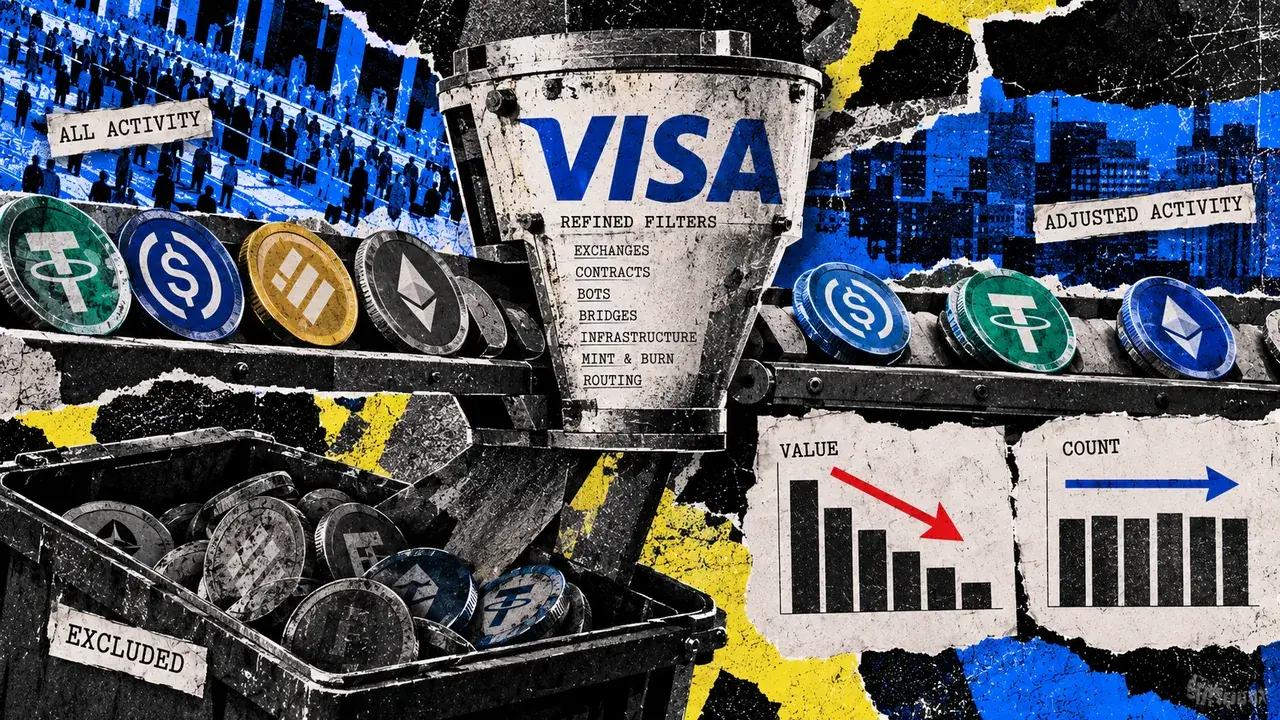
Visa cuts reported stablecoin volume but there’s no proof payments fell
Visa’s September 18 data refresh lowered its adjusted stablecoin volume measure, while its adjusted transaction count fell by less...

Crypto Hacks: Three Projects Hacked in One Day as Losses Hit Over $11M
Three crypto projects were attacked on September 24, suffering combined losses of more than $11M. Attackers drained around $1.8M f...

Binance Wallet lets users pay gas fees in USDT across four major networks
Binance Wallet's USDT gas fee option simplifies crypto transactions, potentially increasing user adoption and reducing reliance on...

River Exchange sues Canadian Bitcoin miner for $6.7M over unpaid refunds
This lawsuit highlights ongoing cross-border tensions in the Bitcoin mining sector, potentially affecting future US-Canada busines...
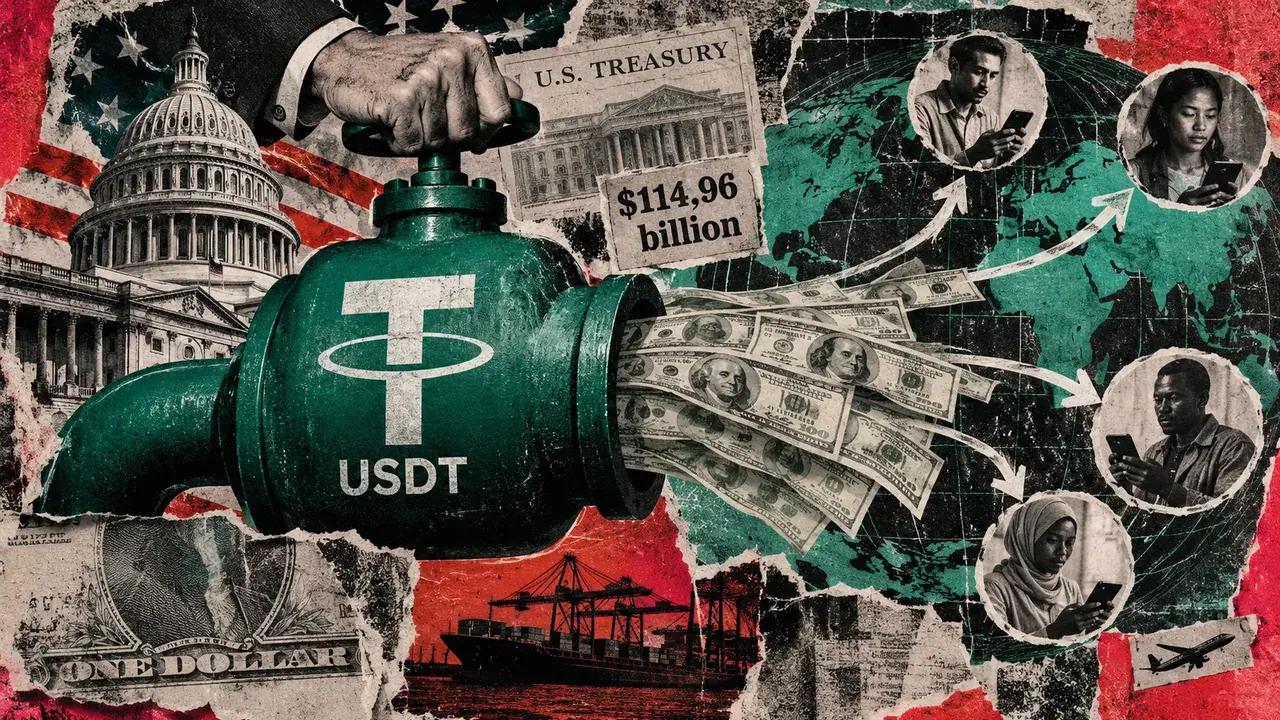
Washington has $114 billion reasons to want Tether around
Not that long ago, Washington fined Tether for misleading people about the dollars behind its tokens. Today, the company's insatia...
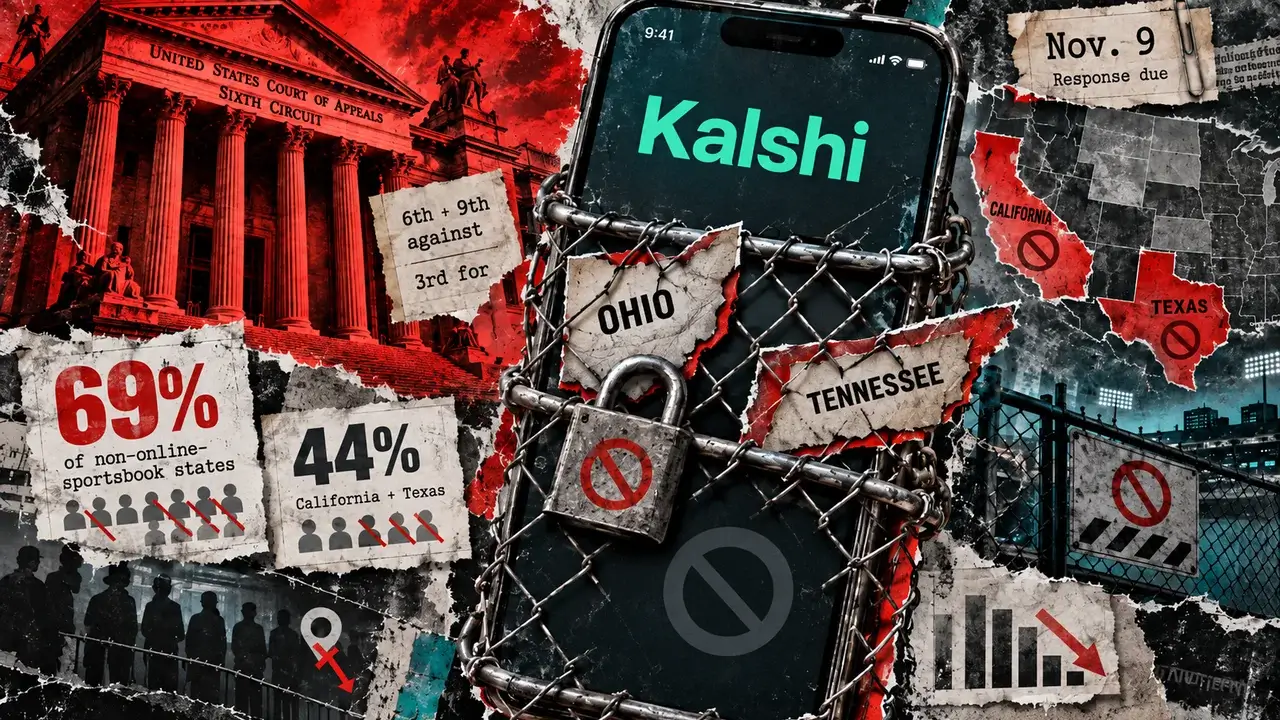
Kalshi must lock out state users after major court loss
The Sixth Circuit ruled Sept. 25 that Ohio and Tennessee can apply their gambling laws to Kalshi's sports contracts. The court rej...