The Cheapest DEXes To Trade On Layer 1 Ethereum
The past couple of years has seen decentralized finance (DeFi) maintain a meteoric rise. Such an impressive growth can only mean one thing—a rise in decentralized exchanges as well. With centralized exchanges proving a l...
Archive context
Older archive item. Useful for background and entity history, but not a fresh market-moving signal.

The past couple of years has seen decentralized finance (DeFi) maintain a meteoric rise. Such an impressive growth can only mean one thing—a rise in decentralized exchanges as well.
With centralized exchanges proving a little complicated and problematic at times, the crypto space will agree that decentralized exchanges are the future of cryptocurrency trading on Layer 1 Ethereum.
While these decentralized solutions are great and have caused a rise in DeFi activities, users have had to contend with paying miners higher transaction/gas fees.
But these solutions don’t have to be expensive and there are some great exchanges keeping things economical. Here are some of the cheapest DEXes to trade on layer 1 Ethereum.
#1. BalancerBalancer launched in 2020 as an Automated Market Maker allowing DEXes to function more efficiently in the DeFi space. One of Balancer’s aims has been reducing gas fees for traders on Ethereum and making liquidity pools relatively gas-efficient for new smart contracts.
The protocol has set out to make loads of features solid but streamlined. Balancer has recently integrated with blockchain network Gnosis, creating the Balancer-Gnosis protocol (BGP). Their joint work culminated with the launch of CowSwap DEX, which has users needing only to pay a fraction of the gas fees other traders pay to use other DEXes. The gasless option however only functions for ERC-20 tokens.
#2. UniswapUniswap is seen as the benchmark for decentralized exchanges in the crypto space. The platform is the most used DEX, recording a 7-day trading volume of $12.5 billion in September.
Uniswap is also the biggest gas consumer on the Ethereum network. While Ethereum transaction fees have gone really high over the years and have become economically non-viable for less bigger users.
However, Uniswap tries to keep things cost-effective for traders. It charges three fee tiers of 0.05%, 0.30%, and 1.00%, depending on the pair. Fees are paid to liquidity pools
#3. SushiswapSushiswap and its token, $SUSHI, were launched in August 2020 as a decentralized exchange and a crypto token respectively. Sushiswap offers traders a 0.3% fee for swaps.
Out of this fee, 0.25% of it is forwarded to the liquidity pool while the remaining 0.05% is distributed to the holders of SUSHI token.
#4. 1inchThe 1inch platform utilizes a gas token called Chi which is minted when gas prices fall and burnt when gas prices are high. It allows the exchange to save at least 40% in gas fees despite trade going through exchanges like Sushiswap or Uniswap. It charges no swapping fees.
The DEX aggregator searches for some of the best rates on more than one dex. It splits the trade by pools to retrieve the maximum number of tokens possible in a single transaction. This is great for bigger trades where passing through multiple exchanges will be beneficial to maintain a better exchange rate while reducing lost value from gas fees.
#5. dYdXdYdX is primarily a derivative decentralized crypto exchange. On dYdX, there are no deposit or withdrawal fees associated with transactions. Users are however responsible for the cost of gas that accrues from their withdrawal or deposit transactions.
However, the platform charges takers a fee of 0.10% and makers 0.05%. A recent study shows that the fees that dydx charges are higher than the industry average contract trading fees.
ConclusionAt the moment, DeFi platforms are getting the well-deserved recognition and patronage they deserve from investors and consumers.
Despite struggling with rising transaction fees, DEXes on the Ethereum layer 1 blockchain is still out to offer some of the cheapest decentralized exchanges for traders to thrive on. If you’re on the lookout for a DEX you can trust, you can start with Balancer and other DEXes on the list.
Why this matters
This ethereum story adds another data point to the current market tape and is useful when read alongside nearby source coverage.
Original source
Read on NewsBTCRelated market context
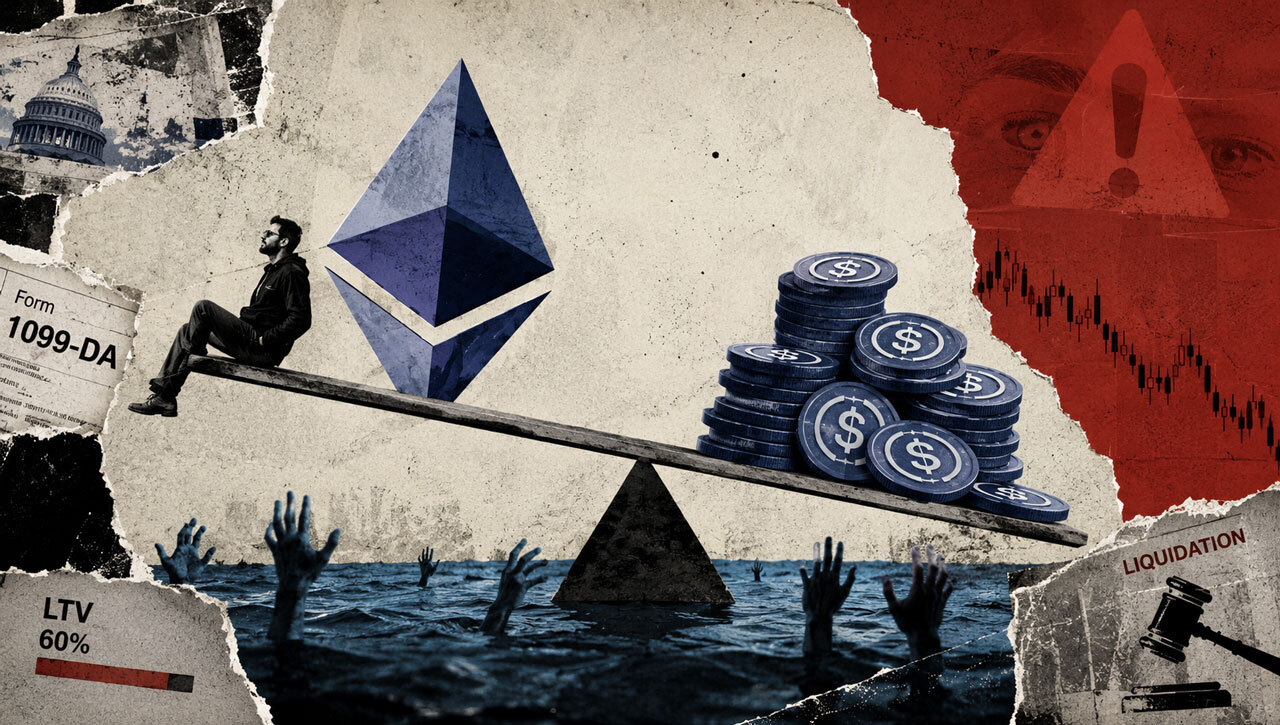
How the “buy, borrow, die” tax trade is quietly loading DeFi pools with hidden credit risk
Imagine someone who bought ETH for $1,000, watched it climb to $4,000, and now wants to cash out $1,000. Selling one-quarter of th...

Robinhood’s weekly DEX volume surges to $10B as its Layer 2 chain climbs DeFi rankings
Robinhood's rapid DEX volume growth highlights its potential to disrupt established DeFi ecosystems, challenging giants like Ether...

DAOs are forcing crypto protocols to choose between code and emergency brakes
Compound is a crypto lending protocol governed by holders who delegate their COMP tokens, a setup known as a decentralized autonom...
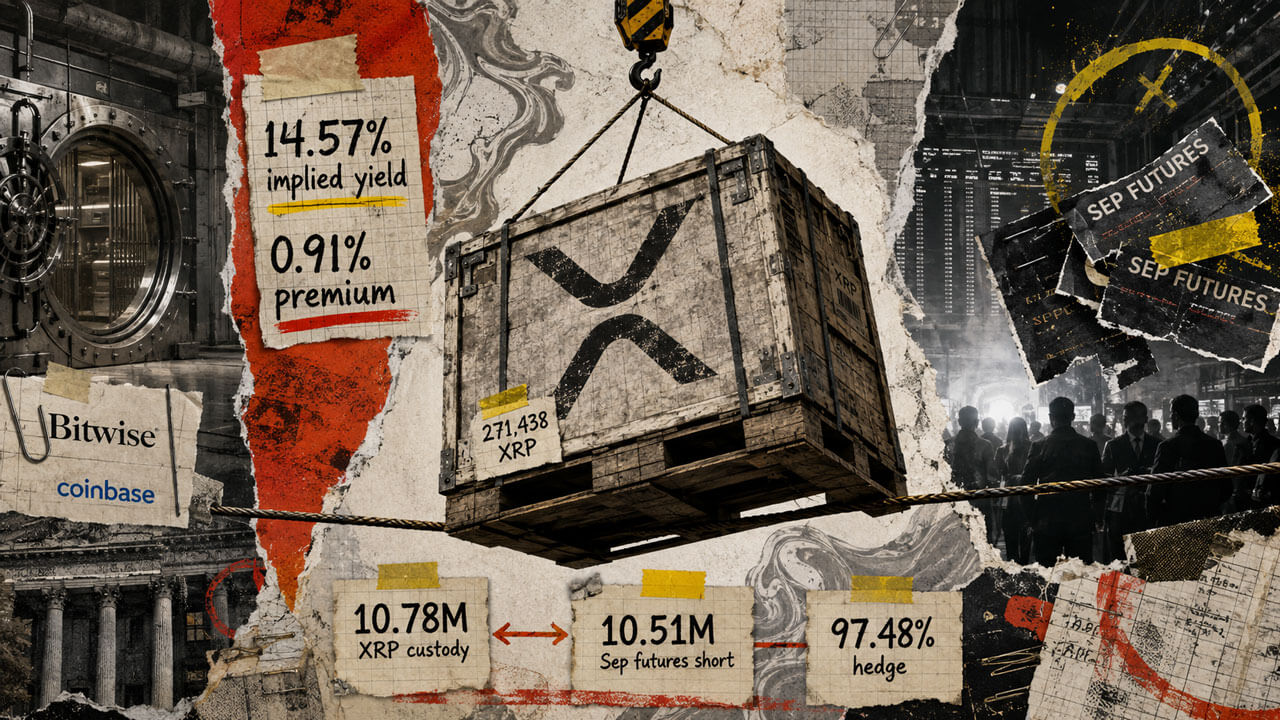
Bitwise 14% yield gap in XRP futures shows how institutions are quietly extracting cash from traders
Bitwise has given the market a rare look inside an institutional XRP carry trade. The Bitwise Crypto Carry Fund, or USCC, paired X...

Monero liquidity after exchange delistings: How traders compare XMR swap routes
Monero's delisting from exchanges complicates trading, leading to varied liquidity and pricing, necessitating careful route compar...

Ethereum sees resurgence as DeFi activity boosts meme coin interest
Ethereum's DeFi resurgence, fueled by meme coin interest, highlights shifting retail capital flows and potential volatility in cry...