Why the Ethereum Merge Is Good for Bitcoin
An upcoming major story in the crypto world is the Ethereum Merge, which is scheduled to take place soon, with a target date of September 19th. Prior to that, there will be further tests to ensure that everything works,...
Archive context
Older archive item. Useful for background and entity history, but not a fresh market-moving signal.
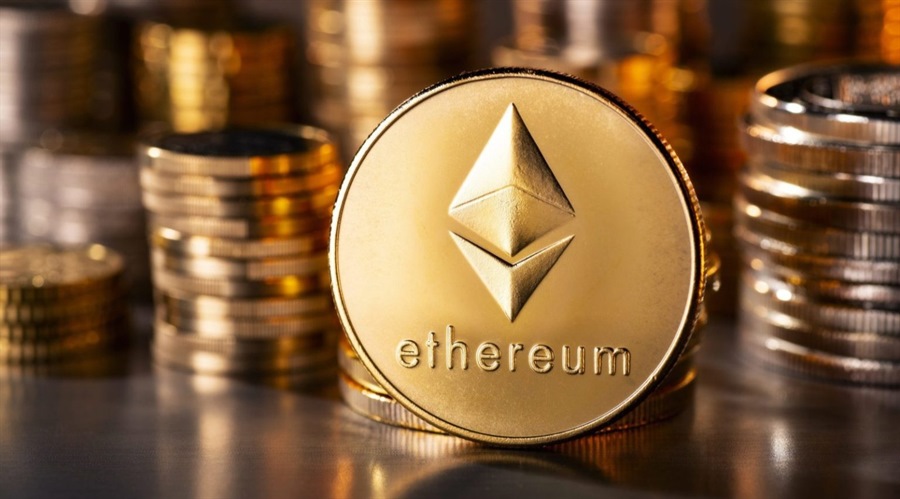
An upcoming major story in the crypto world is the Ethereum Merge, which is scheduled to take place soon, with a target date of September 19th. Prior to that, there will be further tests to ensure that everything works, and all things considered, the changeover will be coming this year.
A caveat must be added though, that the Merge has been in the pipeline for a long time now, and repeatedly shunted back. Tellingly, such delays (the last of which occurred earlier this year) are not greeted in the crypto community with disappointment, but rather, with resigned expectation.
However, while it would be no surprise if the Merge again fails to go ahead, one imagines that each time it’s postponed, it becomes more likely to function correctly the next time, and so we may actually achieve transition this September.
What Is the Merge?
As a brief recap, the Merge is the next stage in Ethereum’s development, when it will switch from a proof-of-work blockchain, to a proof-of-stake blockchain. The purpose of changing to proof-of-stake is that it enables Ethereum to begin the process of scaling, so that it can deliver faster speeds, higher volumes and lower costs.
You will also see it stated that proof-of-stake is more energy efficient than proof-of-work. While it’s true that less energy is used through proof-of-stake, it’s debatable how important this is beyond a public relations level. It certainly, at least, allows Ethereum advocates to tick bureaucratically correct boxes during a politico-cultural milieu in which using energy is represented as destructive.
What Will the Merge Do?
If you’re hoping that post-Merge you will be spared Ethereum’s eccentrically high transaction costs, then think again, because it will not reduce gas fees. In fact, from the perspective of an average Ethereum user (no Ethereum users are actually average, of course) who is, for example, collecting and trading NFTs or utilizing DeFi, the user experience will, for the moment, continue as before.
However, the Merge sets a route for critical goals (reduced fees, scalability, a better user experience) to be achieved in future. In fact, the Merge is step one in preceding a series of changes referred to by the Chief Padre of Ethereum himself, Vitalik Buterin, as Surge, Verge, Purge and Splurge.
This all sounds messy and fun (which could sum up Ethereum and its entire ecosystem, replete with outsider artists, tech-obsessives, and cold-blooded scammers), and what it should eventually equate to is the implementation of a blockchain technique called sharding. This (along with layer 2 solutions) will improve efficiency and lower costs before, in the end, we witness the emergence of unrestricted practical and experimental activity from both developers and users.
The Merge is part of a long-term plan that will likely be positive not only for Ethereum itself, but for wider crypto adoption, as when the major crypto players make moves, the entire ecosystem gets a leg-up.
In the nearer term, and from an investor point of view, it’s not unlikely that the Ethereum Merge will play out as a sell-the-news type of event, although that remains to be seen and depends to an extent on how crypto markets overall are holding up at that time.
Why Is the Merge Good for Bitcoin?
There is recurring discussion in crypto around the concept of bitcoin maximalism, and whether or not it’s a positive thing. These conversations ramped up recently as during bear markets some crypto holders gravitate towards the maximalist ethos. This may be due in part to severe crashes washing out fragile projects, while bitcoin powers on and its merits are accentuated.
A key tenet of bitcoin maximalism is that other cryptocurrencies are not required and cannot effectively compete with bitcoin as a decentralized, borderless, peer-to-peer digital money that can supersede fiat currencies.
However, if we draw a distinction between bitcoin, a decentralized digital money and Ethereum, a smart contract platform on which to run decentralized or web3 applications, then there needn’t be any conflict, and each can thrive on its own terms.
As for the other currently well-known layer 1 blockchains, Solana, Cosmos, Cardano et al, these would fall into the latter category (smart contract and web3 platforms, rather than digital money), and would be competing explicitly with Ethereum, but not Bitcoin.
The Merge emphasizes this categorical distinction since Ethereum and the other smart contract networks will all be proof-of-stake (with the partial exception of Solana that uses a hybrid system incorporating proof-of-stake and proof-of-history), while Bitcoin remains, as it must, as a proof-of-work blockchain.
Bitcoin is not the only proof-of-work network, but the others that fall into that category, Litecoin and Monero, most notably, would fit the category of having been intended as mediums of exchange.
It’s plausible that the next several years will see crypto more clearly splintering into separate, unique sectors, related through their blockchain foundations, but otherwise distinct and moving in different directions. Ethereum’s transition to proof-of-stake may be a change that emphasizes the starkest distinction of all: that between Bitcoin and everything else.
This article was written by Sam White at www.financemagnates.com.Why this matters
This ethereum story adds another data point to the current market tape and is useful when read alongside nearby source coverage.
Original source
Read on Finance MagnatesRelated market context

Ethereum’s next scaling leap may come from making everyone stop doing the same work
Ethereum co-founder Vitalik Buterin says advances in cryptography could turn decentralization from a performance cost into a scali...
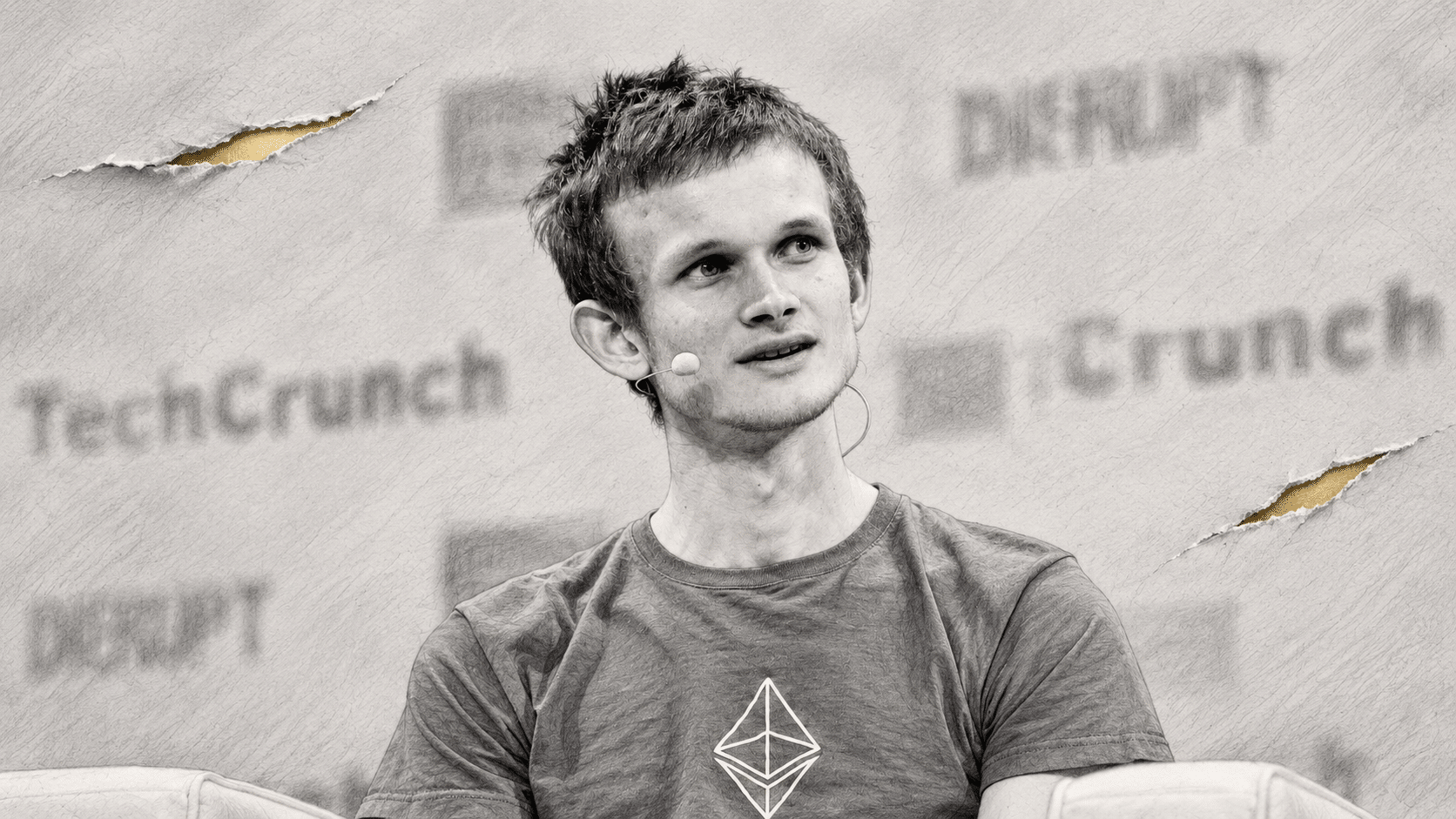
Vitalik Buterin Says Hegota Will Likely Be Ethereum’s Last ‘Normal’ Fork
Ethereum co-founder Vitalik Buterin says the network’s upgrades will change in kind once Hegota ships next year, with each later f...

Ethereum’s 2030 Shift: Vitalik Maps a Cryptographic World Computer Beyond Blockchain
Key Takeaways: According to Vitalik Buterin, Ethereum is going further than simply being a blockchain to “cryptographic world comp...
Ethereum Price Prediction: ETH is Evolving Beyond A Blockchain
Ethereum is trading near $2,650, down 2.3% over 24 hours, but the real story isn’t in the candles or its price prediction. Vitalik...
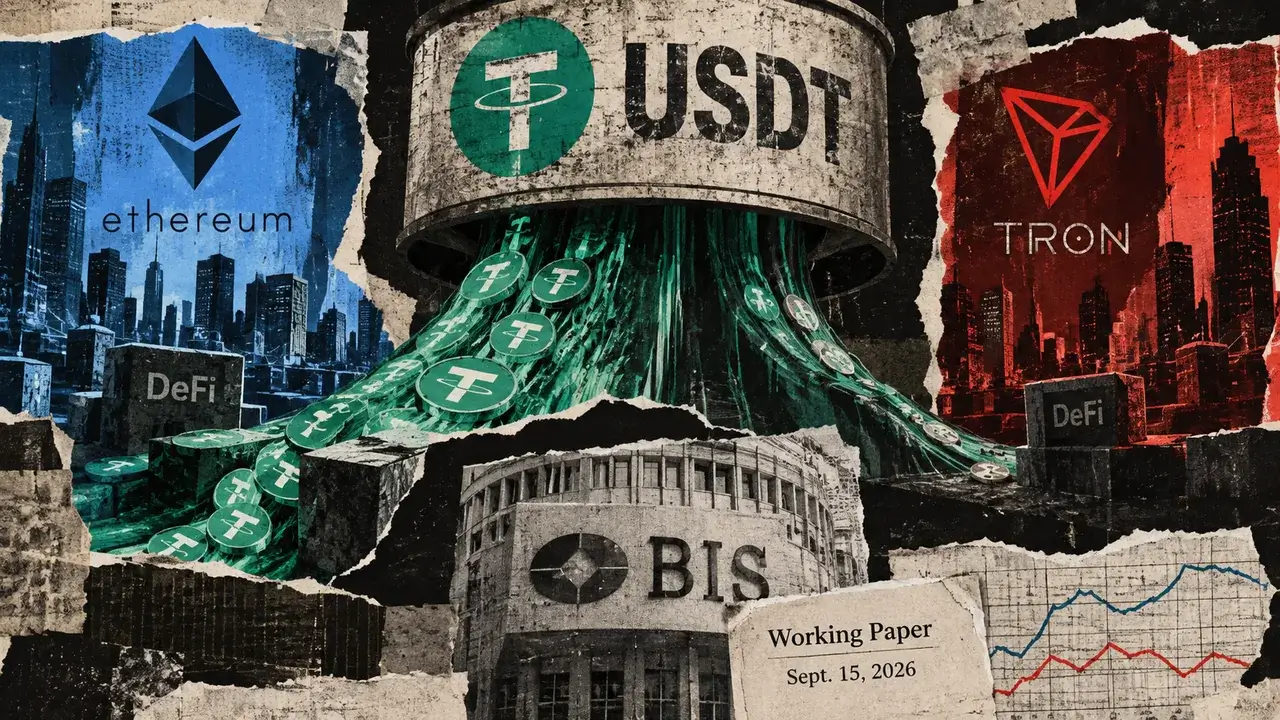
USDT grew on Ethereum through 2024, but smart contract holdings stalled, BIS data show
More USDT was issued without a sustained rise in balances held by smart-contract accounts on Ethereum, according to a Bank for Int...
Ethereum’s 2027 Hegotá upgrade may be last conventional fork: Buterin
Ethereum's shift to quantum-safe tech could enhance its security and long-term value, impacting market sentiment and future price...