AI Won’t ‘Kill’ Bitcoin Mining – It Might Reprice It
Since the latest Bitcoin halving cut block rewards in half, compressing revenues across the mining sector, large operators have been searching for ways to stabilize income streams. Increasingly, they are leasing their en...
Archive context
Older archive item. Useful for background and entity history, but not a fresh market-moving signal.
Since the latest Bitcoin halving cut block rewards in half, compressing revenues across the mining sector, large operators have been searching for ways to stabilize income streams.
Increasingly, they are leasing their energy footprints to artificial intelligence and high-performance computing clients. The model is not speculative; it is already being written into multiyear contracts.
In September, Cipher Mining signed a 168-megawatt agreement with Fluidstack, an AI cloud provider. The deal runs for ten years and is valued at $3 billion. Google provided financing support worth $1.4 billion and also acquired a 5% equity stake in Cipher.
The arrangement allows Cipher to maintain ownership of its facilities while converting part of its power allocation into contracted AI revenue.
Cipher Mining Signs 168 MW, 10-Year AI Hosting Agreement with Fluidstack
In this transaction, Cipher will deliver 168 MW of Critical IT Load to Fluidstack at its Barber Lake site, securing ~$3B in contracted revenue over the initial 10-year term. The agreement also includes two…
TeraWulf, another U.S.-based miner, followed a similar path. It announced hosting agreements that dedicate more than 200 megawatts to AI workloads at its Lake Mariner site. Analysts estimate the value of the deal could exceed $3.7 billion.
Contracts That Change Miner Balance SheetsThe financial character of these companies is beginning to change. Miner equity has historically traded with a high correlation to the price of Bitcoin. New long-dated contracts give investors a different risk profile to consider. Regular dollar-denominated payments from AI customers may reduce the exposure of miner stocks to Bitcoin cycles.
Iren, an Australian operator, provides an example. It recently expanded its AI cloud business by purchasing more than 12,000 GPUs. The company projects $500 million in annual AI revenue by early 2026. Analysts at Arete initiated coverage on Iren, Riot Platforms, and Cipher Mining with buy ratings, citing the stability of contracted AI revenue as a driver.
The case of CoreWeave and Core Scientific stresses the point. CoreWeave, once an Ethereum miner, shifted into GPU-based hosting. In 2025, it acquired Core Scientific in a transaction valued at $9 billion. The deal cemented its place as a supplier of computing power for AI firms, moving entirely beyond token mining.
Why the AI Shift Is DifferentThe entry into AI hosting is not simply diversification. It forces miners to rethink operations. Unlike Bitcoin mining, AI customers demand strict service level agreements. Data centers must offer redundancy, cooling efficiency, and long-term maintenance commitments. In practice, this means capital is redeployed from short-cycle ASIC purchases toward infrastructure upgrades that support higher-density workloads.
There is also the allocation question. Every megawatt committed to AI hosting cannot be used for Bitcoin mining. Operators will have to balance the immediate predictability of contracted revenue with the option value of a potential Bitcoin price rally.
From Hashprice to Lease PriceThe mining business has long been tied to hashprice, the dollar value of one terahash of computing power per day. That metric is now being supplemented by what could be called lease price, the value of contracted power sold to external clients. In time, the lease price may become as influential for valuation models as the hash price itself.
This shift has implications for the broader network. If miners dedicate more capacity to external hosting, the growth of network hash rate may slow.
That could alter the competitive dynamics among remaining pure miners and impact difficulty adjustments. At the same time, the capital stability provided by AI contracts could keep some firms alive through periods of low Bitcoin prices, preventing sharp declines in total hash rate.
A Changing Capital Formation CycleThe sector’s capital cycle is also adjusting. Past expansions were often financed during bull markets when high margins justified the rapid purchase of machines. Now, multi-year AI contracts provide the collateral base for raising capital in less favorable markets. That changes the rhythm of how mining infrastructure is built.
The long-term outcome is not that AI erases mining. Rather, it layers another economic activity on top of the same infrastructure. For investors, miner equities may look less like high-beta proxies for Bitcoin and more like hybrid firms that combine commodity-linked income with contracted service revenue.
The post AI Won’t ‘Kill’ Bitcoin Mining – It Might Reprice It appeared first on Cryptonews.
Why this matters
This mining story adds another data point to the current market tape and is useful when read alongside nearby source coverage.
Original source
Read on CryptonewsRelated market context

New Generation of Crypto Miners Released by ASICID
Hong Kong, Hong Kong, October 6th, 2026, Chainwire ASICID Inc. has released its IDMINER Series, a new lineup of cryptocurrency min...
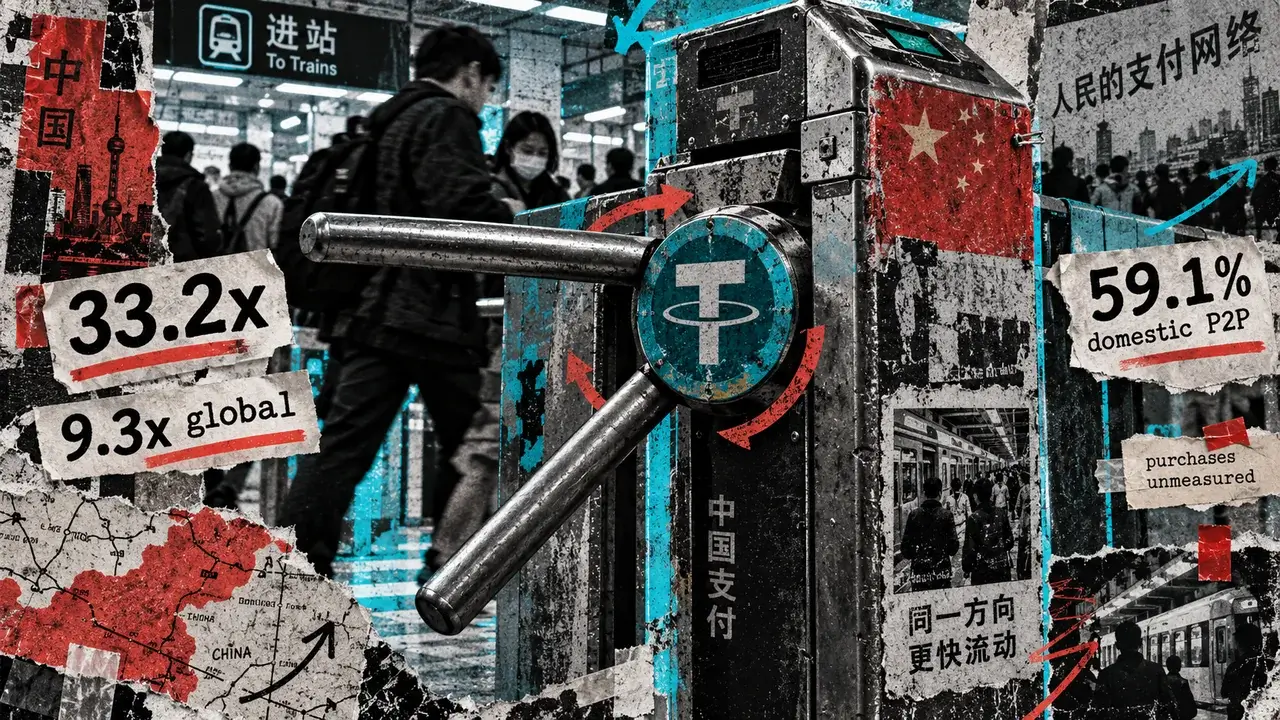
China’s crypto ban Is failing to stop a $176 billion P2P economy
China’s underground crypto economy is increasingly shifting toward peer-to-peer stablecoin payments despite Beijing’s longstanding...

VanEck’s Matthew Sigel: Path to $500k BTC Runs Through Gold
Bitcoin Magazine VanEck’s Matthew Sigel: Path to $500k BTC Runs Through Gold Bitcoin miners with power contracts may own one of th...
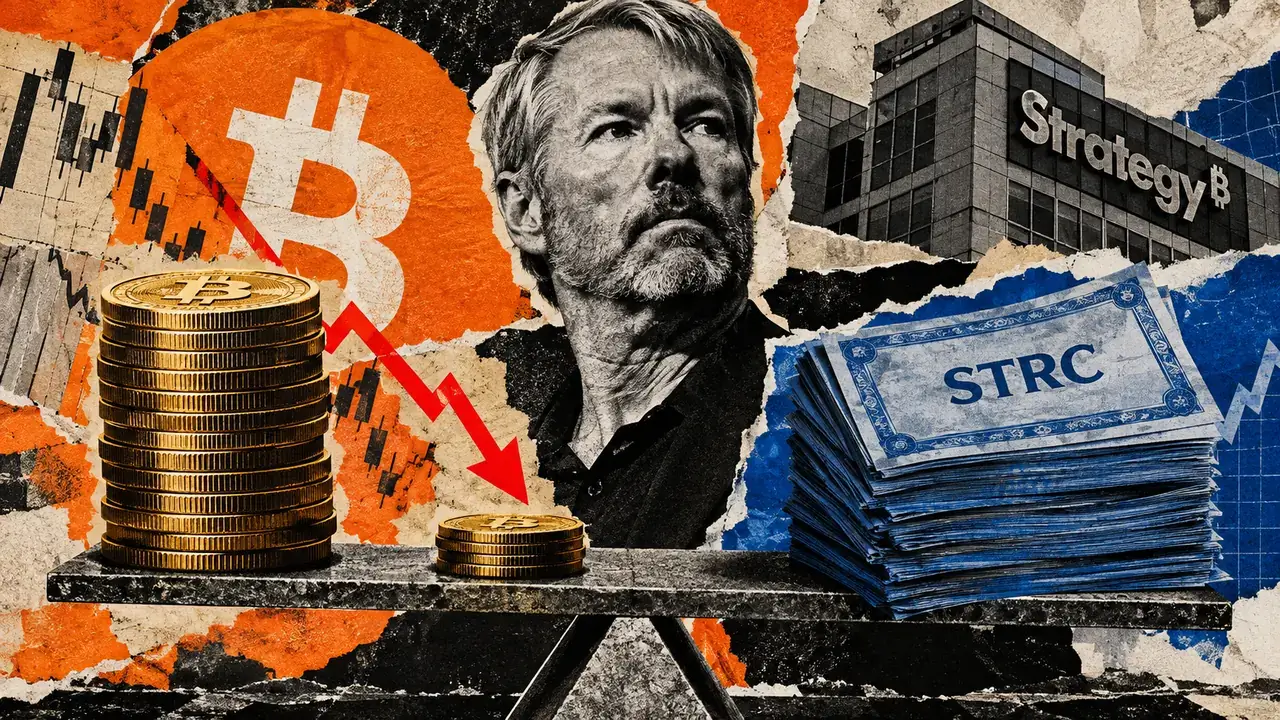
Strategy buys just 334 Bitcoin as preferred-share buybacks reach $1.45 billion
Strategy (formerly MicroStrategy) made its smallest positive Bitcoin purchase of 2026 even as a 43% quarterly rally in the cryptoc...

Circle, Ripple and Hedge Fund QRT Back Crypto Exchange OKX at $25 Billion Valuation
Stablecoin issuer Circle, Ripple, Standard Chartered’s investment arm SC Ventures and London-based hedge fund Qube Research & Tech...
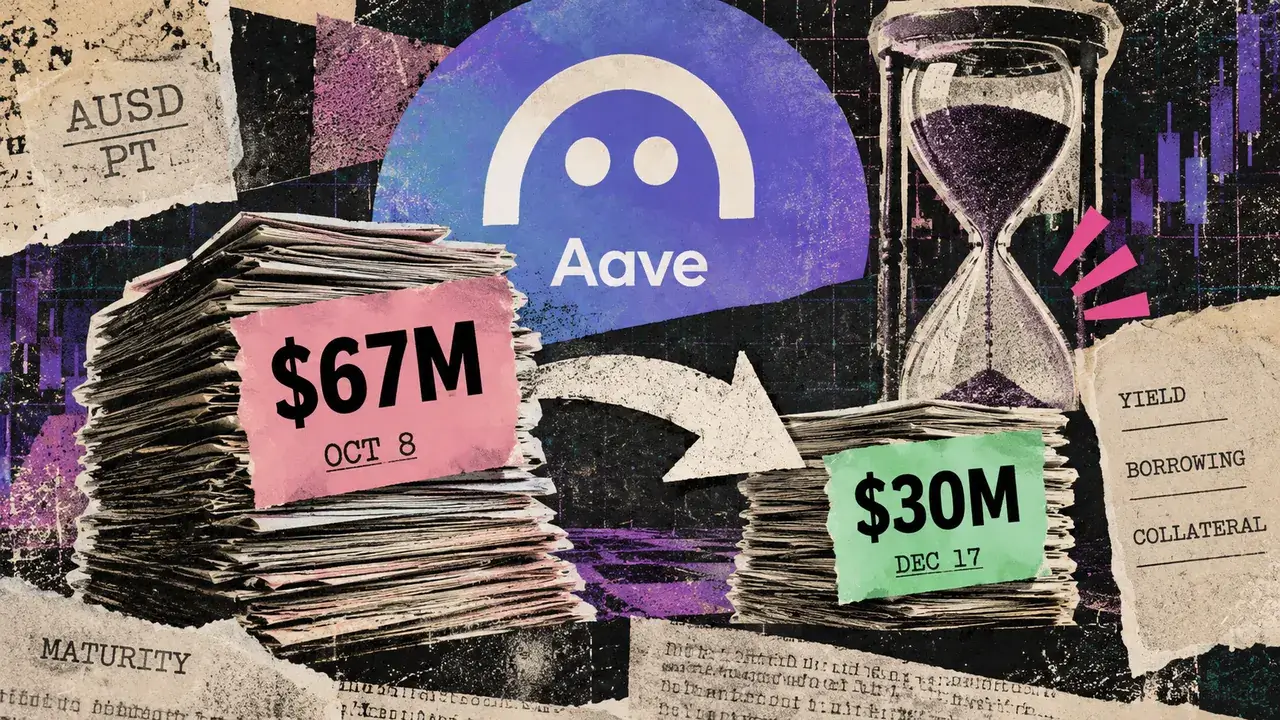
Aave and Pendle may have found a way to keep yield capital from ever leaving DeFi
Aave is approaching a $67 million collateral rollover as one of its fastest-growing fixed-yield trades reaches maturity. About 67....