Australia’s Crypto Platforms Have Until 27 November to Mark ASIC’s Homework
Digital asset platforms in Australia will need an Australian financial services (AFS) licence, customer disclosure documents and platform rules, and must meet asset-holding, transactional and settlement standards plus ne...
Watchlist
Published in the last two hours. It maps to a high-priority topic hub.
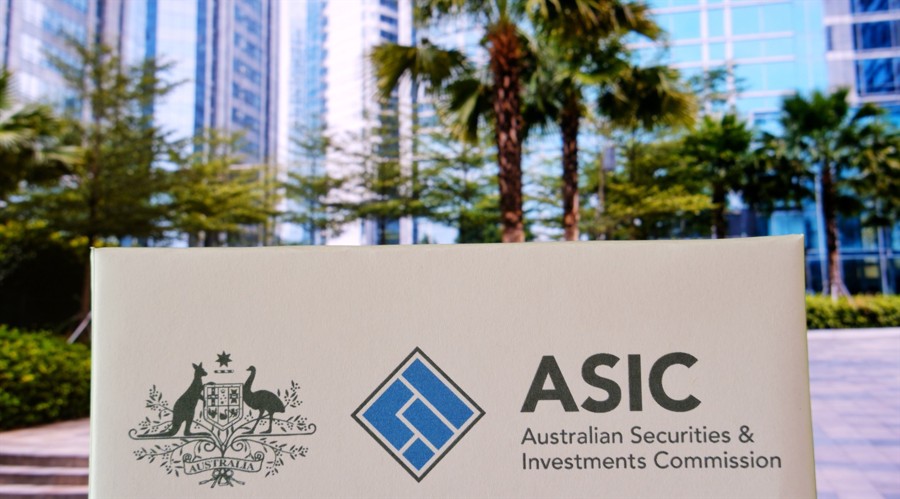
Digital asset platforms in Australia will need an Australian financial services (AFS) licence, customer disclosure documents and platform rules, and must meet asset-holding, transactional and settlement standards plus net tangible asset requirements where relevant. These are the obligations in guidance the Australian Securities and Investments Commission (ASIC) has put out for consultation ahead of new laws that commence on 8 April 2027.
London's trading industry is coming home!
ASIC’s Consultation Paper 392, titled Digital asset law reform implementation: Proposed standards and guidance, covers digital asset platforms and tokenised custody platforms. It outlines how the regulator proposes to approach compliance with the framework introduced by the Corporations Amendment (Digital Assets Framework) Act 2026, known as the DAF Act.
The package includes draft compliance guidance, proposed standards on asset-holding activities and on trading and settlement activities, and proposed financial requirements for licensees.
ASIC Commissioner Alan Kirkland said the proposals reflect the pace of change in global markets. “Our proposed guidance and standards acknowledge the increasing role of digital assets and tokenisation, including in traditional parts of the financial system,” he said.
He added that the approach rests on the principle of “same activity, same risk, same regulatory outcome”, intended to align Australia with comparable overseas jurisdictions. “Bringing digital asset platforms and tokenised custody platforms into the financial services regulatory framework means consumers can have greater confidence when trading digital assets,” Kirkland said.
Who the Rules Cover and How to Respond
The DAF Act introduces two new categories. Digital asset platforms (DAPs) involve holding digital tokens on behalf of clients and providing associated platform services. Tokenised custody platforms (TCPs) are arrangements that record underlying assets held for clients as digital tokens.
ASIC’s proposed guidance applies to operators of both, and to others providing financial services for these products. It also covers existing AFS licensees, market participants, payments providers and other businesses that use or deal with digital assets.
ASIC also proposes to streamline licensing for existing AFS licensees, and for firms that applied for an authorisation under Information Sheet 225 (INFO 225), when they add DAP or TCP authorisations.
The consultation is open until 5pm AEDT on 27 November 2026.
How the Rules Got Here
INFO 225 sets out how existing financial services law applies to digital assets. ASIC updated it in October 2025 and released a sector-wide no-action position alongside it. In June 2026, ASIC expanded the scope and conditions of that position and extended its deadline to 30 September 2026.
When the INFO 225 update was published, Finance Magnates reported that ASIC’s guidance confirmed stablecoins, wrapped tokens, tokenised securities and digital asset wallets are considered financial products under current law, meaning many providers offering them need a financial services licence.
At the time, Kirkland said licensing gives consumers legal protections and lets ASIC act when poor practices cause harm. ASIC also planned temporary relief for distributors of stablecoins and wrapped tokens, and for custodians of digital assets that qualify as financial products.
ASIC has since recorded more than 140 applications from businesses seeking to provide digital asset-related financial services. That includes more than 110 received in response to INFO 225 during the no-action period, which ran from October 2025 to 30 September 2026.
ASIC set out its roadmap for implementing the new regime in April 2026. It said its proposed guidance draws on engagement through its Digital Asset Advisory Group, regular Fintech Liaison Meetings and international peer regulator forums.
This article was written by Arnab Shome at www.financemagnates.com.Why this matters
This maps to the Stablecoins hub, so it can help confirm whether that theme is gaining breadth across the crypto news cycle.
Original source
Read on Finance MagnatesRelated market context

Coinbase Joins 4-Day Crackdown on West Africa Crypto Scams and Asset Freezes
Key Takeaways: Coinbase participated in a four-day assault of scam networks in West Africa in London. Its Global Intelligence team...

Ripple Taps DriveWealth to Bring RLUSD Settlement to 100+ Global Investing Partners
Key Takeaways: Ripple is in a partnership with DriveWealth, to secure the integration of the RLUSD settlement, cross-border paymen...

TOKEN2049 Takeaways: Stablecoins, Asset Tokenization, and AI Payments
Every crypto conference brings a wave of new partnerships, products, and concepts. After scrolling through the latest updates, you...

Injective sees nearly half of its markets tied to tokenized assets
Injective's integration of tokenized assets could revolutionize financial markets by enhancing accessibility and regulatory compli...

Ripple and Privy Bring XRP Wallets to XRPL After $1T Moved Across 8M Accounts
Key Takeaways: With the collaboration of Ripple, Privy offers programmable wallet infrastructure to the XRP Ledger. Developers can...

Coinbase’s x402 Records 138.5M Transactions: Chainalysis Shows AI Agents Reshaping Crypto Payments
According to blockchain analytics firm Chainalysis, activity has expanded sharply since the protocol’s early stages, as autonomous...