Bitcoin Miners Are Making $40M Per Day
After falling as low as $6.8 million in the months following Bitcoin’s halving event on May 11, 2020, miner revenue from block rewards is now hovering above $40 million, according to data from blockchain analytics firm G...
Archive context
Older archive item. Useful for background and entity history, but not a fresh market-moving signal.
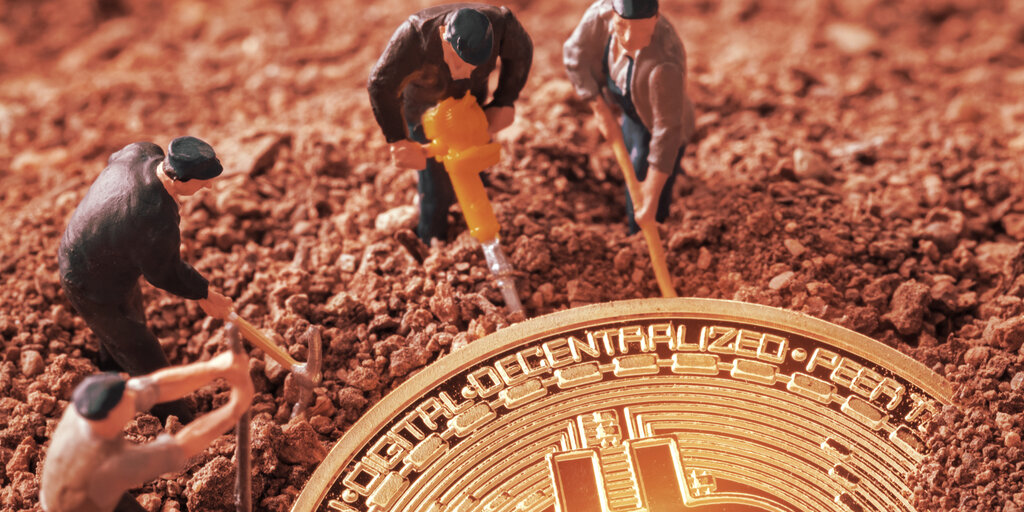
After falling as low as $6.8 million in the months following Bitcoin’s halving event on May 11, 2020, miner revenue from block rewards is now hovering above $40 million, according to data from blockchain analytics firm Glassnode.
The dotted line indicates when the halving event occurred. Source: GlassnodeBitcoin mining is a highly competitive process of creating new cryptocurrencies by solving complex mathematical puzzles with the help of computers with specialized software installed. By verifying Bitcoin transactions and adding them onto the blockchain, miners earn rewards that consist of transaction fees and a base reward for each block they mine.
The block reward, also known as coinbase reward or subsidy, is halved after every 210,000 blocks mined, or approximately every four years–hence the expression “the halving.”
Each halving event reduces the rate of creating new Bitcoin until no more new coins enter the network’s supply at all in the year 2140.
This represents a roughly 488% increase since the last halving. The current values are, however, still lower from the $60 million peak Bitcoin miners enjoyed in May this year immediately before China’s massive crackdown on the mining industry.
This is also 185% higher than values recorded in the period preceding the 2020 halving when miners were paid between $14 million per day.
Bitcoin network recoversThough miners have to work twice as hard to enjoy the same pre-halving rewards, the rise in miners’ revenue outlined above suggests that there’s a silver lining.
To continue keeping pace financially, mining outfits need to invest in more machines as the block reward decreases. Doing so, however, means spending more money as well as believing that the long-term future of the business is viable.
Following this thinking, the increased revenue suggests that mining businesses are investing in expansion and remain confident in mining. This conclusion is also surprising given the aggressive crackdown on the mining industry in China this year.
China’s 2021 Bitcoin Crackdown: What You Need to KnowIn mid-June, after several Chinese provinces in China expelled Bitcoin mining operators, the country’s Central Bank ordered banks and payment platforms to cut off any relationships with cryptocurrency service providers.
All of this, in turn, resulted in miners’ mass exodus out of China, with many of them relocating their operations to North America or Kazakhstan. It also led to the collapse of both Bitcoin’s hash rate–the total computing power of the network–and mining difficulty.
Mining difficulty–a measure designed to calculate how much computational power is required to produce new Bitcoin–peaked above 25 trillion in mid-May. Mining difficulty is measured using a relative unit that stood at “1” when Bitcoin’s genesis block was mined on January 3, 2009.
Soon after the Chinese crackdown, this difficulty has fallen by as much as 54%, making it roughly twice as easy to find new blocks.
The value has been steadily recovering since then though, with five consecutive increases bringing the difficulty to almost 19 trillion. The next difficulty adjustment, which is set to happen within the next 8 hours, is expected to result in yet another increase of about 3%, according to BTC.com.
Glassnode co-founders Jan Happel and Yann Allemann said that the current Bitcoin difficulty chart “is soon to signal a positive recovery as more miners come back online.”
“The last comparable event was following bear market capitulation in Dec 2018, which took 164-days to flip positive. The current mining recovery has taken 120-days,” they wrote.
#Bitcoin difficulty ribbon is soon to signal a positive recovery as more miners come back online.
The last comparable event was following bear market capitulation in Dec 2018, which took 164-days to flip positive.
The current mining recovery has taken 120-days. pic.twitter.com/l2Nmc9RYTR
— Jan & Yann (@Negentropic_) October 4, 2021
With the price of the world’s leading cryptocurrency currently eyeing a recovery to $50,000, and the network’s hash rate returning to the values last seen in June, miners now indeed appear to be more confident and more willing to turn on more machines to get their rewards.
Why this matters
This mining story adds another data point to the current market tape and is useful when read alongside nearby source coverage.
Original source
Read on DecryptRelated market context
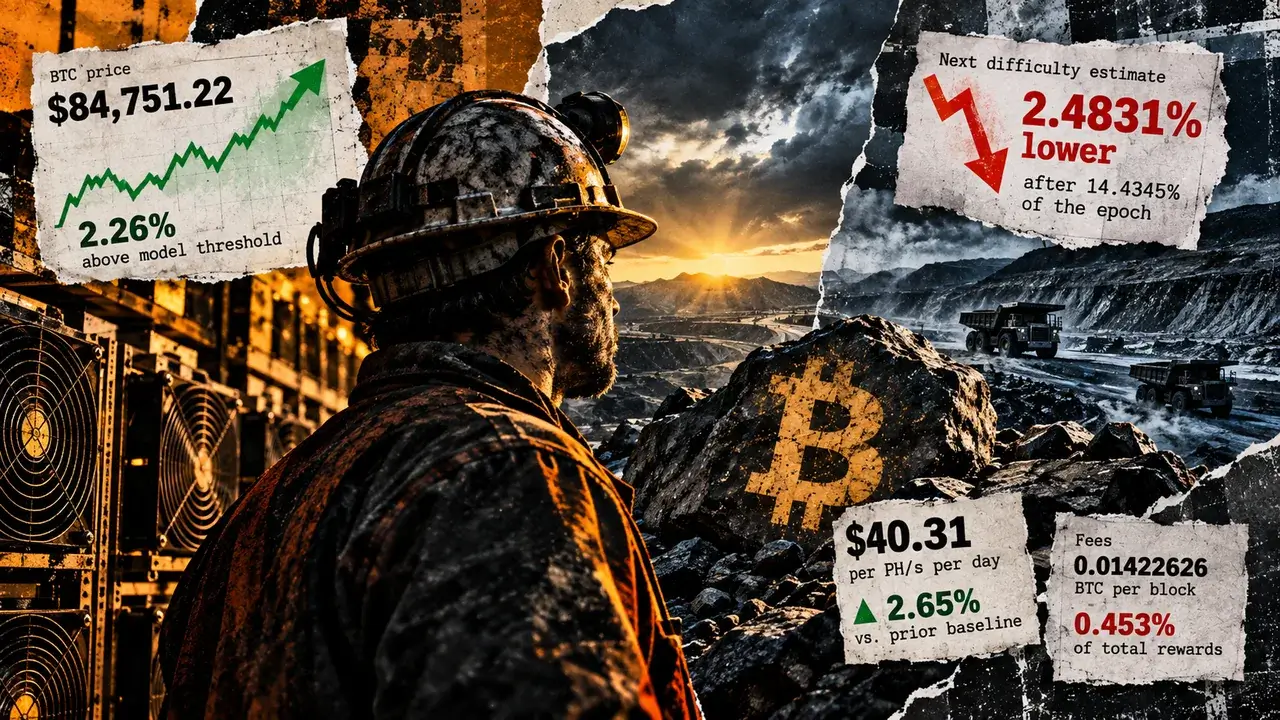
Bitcoin’s $84K rally isn’t saving miners as difficulty signals already flash caution
Bitcoin’s post-retarget relief for miners was real, but narrow. Using a BTC price of $84,751, the completed difficulty increase an...
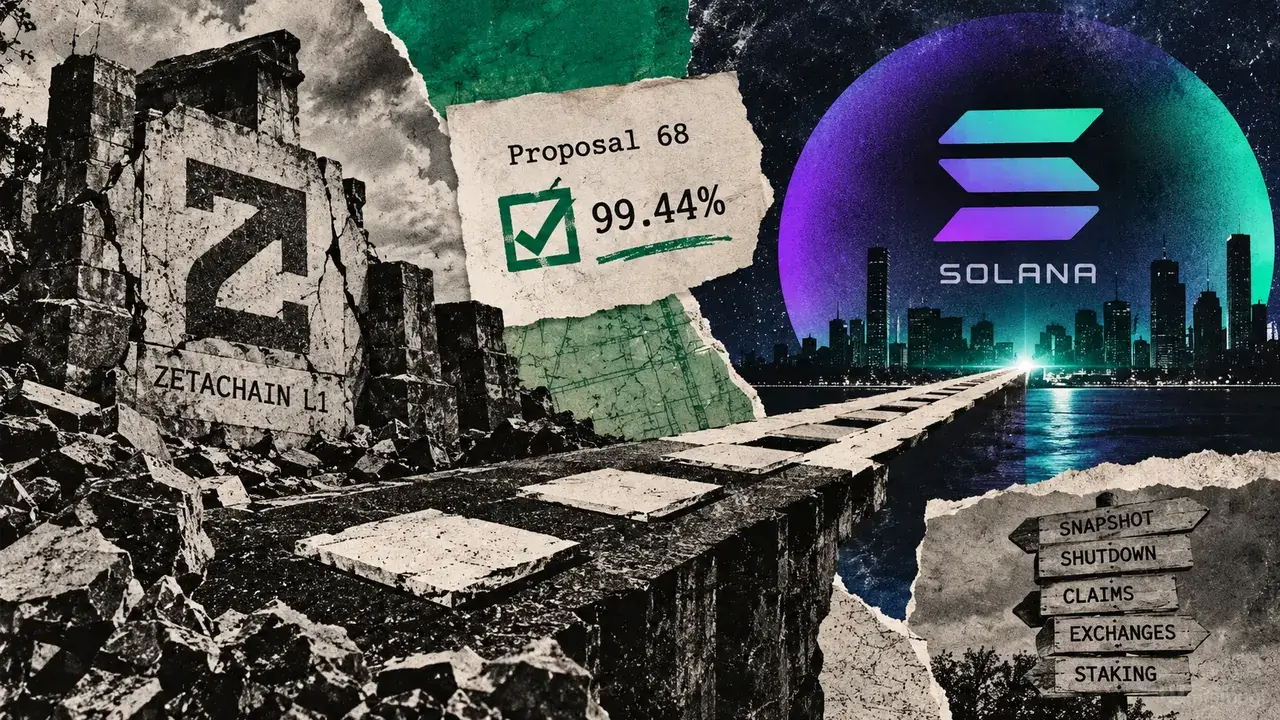
This blockchain just voted to shut itself down for a Solana-powered AI pivot
ZetaChain's on-chain governance has approved retiring the network’s standalone blockchain and moving ZETA to Solana as the project...

Strategy and Strive buy $183 million in Bitcoin as $85,000 rally revives treasury trade
Bitcoin treasury companies Strategy and Strive bought about $183 million of BTC last week as the cryptocurrency’s rebound helped c...

EU staking review threatens crypto yields and network security could pay the price
Some of the most consequential financial rules begin with surprisingly little text. For example, on page 36 of the European Commis...

Will proposed faster block times really fix Ethereum’s biggest market losses?
Ethereum developers are weighing Ethereum Quick Slots for Hegotá, a proposed faster block rhythm that would reduce waiting without...
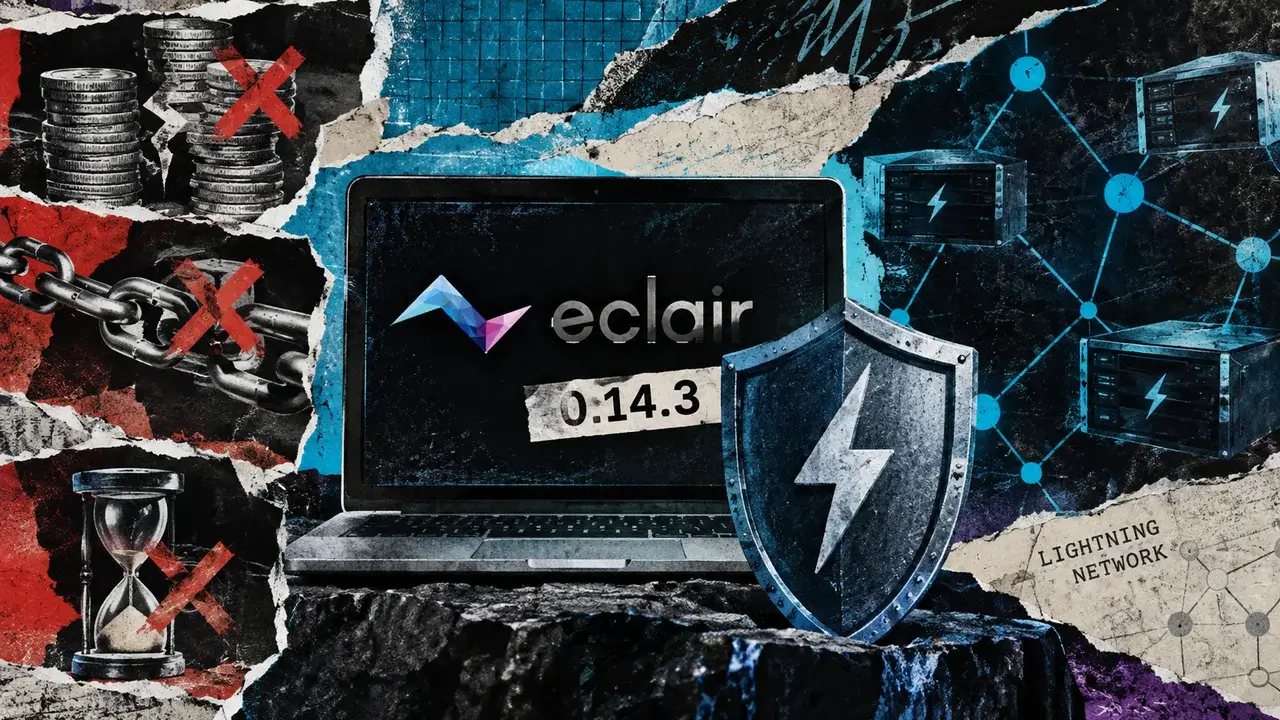
A Bitcoin Lightning flaw could send a node’s entire balance straight to miners
A flaw in Bitcoin Lightning software Eclair could let malicious peers wipe out a node’s local channel balance through fees. ACINQ...