Bitcoin Network Difficulty Expected to See Largest Increase of the Year Amid High Hashrate, Shorter Block Times
After a small decrease of 0.49% on Feb. 12, 2023, Bitcoin’s network difficulty is expected to experience a significant increase in three days on Feb. 24. Estimates indicate the difficulty could see the largest rise of th...
Archive context
Older archive item. Useful for background and entity history, but not a fresh market-moving signal.

After a small decrease of 0.49% on Feb. 12, 2023, Bitcoin’s network difficulty is expected to experience a significant increase in three days on Feb. 24. Estimates indicate the difficulty could see the largest rise of the year, surpassing the 10.26% increase that occurred on Jan. 15 at block height 772,128.
Next Bitcoin Difficulty Change Estimated to Jump 10.78% to 11.5% HigherIn 2022, Bitcoin’s hashrate remained above the 200-exahash-per-second (EH/s) range. However, in 2023, 300 EH/s seems to be the new norm. According to statistics, over the last 2,016 blocks, Bitcoin’s hashrate has averaged around 310.5 EH/s. Additionally, bitcoin block times have ranged from 8 minutes and 55 seconds to 8 minutes and 68 seconds, which is faster than the 10-minute average. The high hashrate and quicker block times indicate a significant increase in difficulty, which is expected to occur on Feb. 24.
Statistics indicate that the upcoming difficulty adjustment, scheduled for Friday, will be the largest of the year, surpassing the previous record set on Jan. 15. The estimated increase for the Feb. 24 adjustment is expected to be between 10.78% and 11.5%. The current difficulty is approximately 39.16 trillion hashes, and the next difficulty adjustment is likely to push it above 40 trillion. A 10.78% increase would result in a difficulty rating of approximately 43.35 trillion hashes. Regardless of the final outcome, an increase in difficulty will make it more challenging for bitcoin miners to discover new blocks.
At the time of writing, the mining pool Foundry USA commands 33.33% of the network hashrate, or 105.37 EH/s. Antpool accounts for around 18.66% of the global hashrate, dedicating 58.98 EH/s to the Bitcoin blockchain. Together, these two pools captured more than 51% of the pie comprising 13 known pools and 11.93 EH/s of unknown hashpower. Following Foundry and Antpool are F2Pool, Binance Pool, and Viabtc, which collectively control 33.54% of the global hashrate. These top five pools contribute a combined 84.54% of the total hashrate that provides security to the Bitcoin blockchain.
What do you think about the expected significant increase in Bitcoin’s network difficulty? Let us know what you think about this subject in the comments section below.
Why this matters
This mining story adds another data point to the current market tape and is useful when read alongside nearby source coverage.
Original source
Read on Bitcoin NewsRelated market context
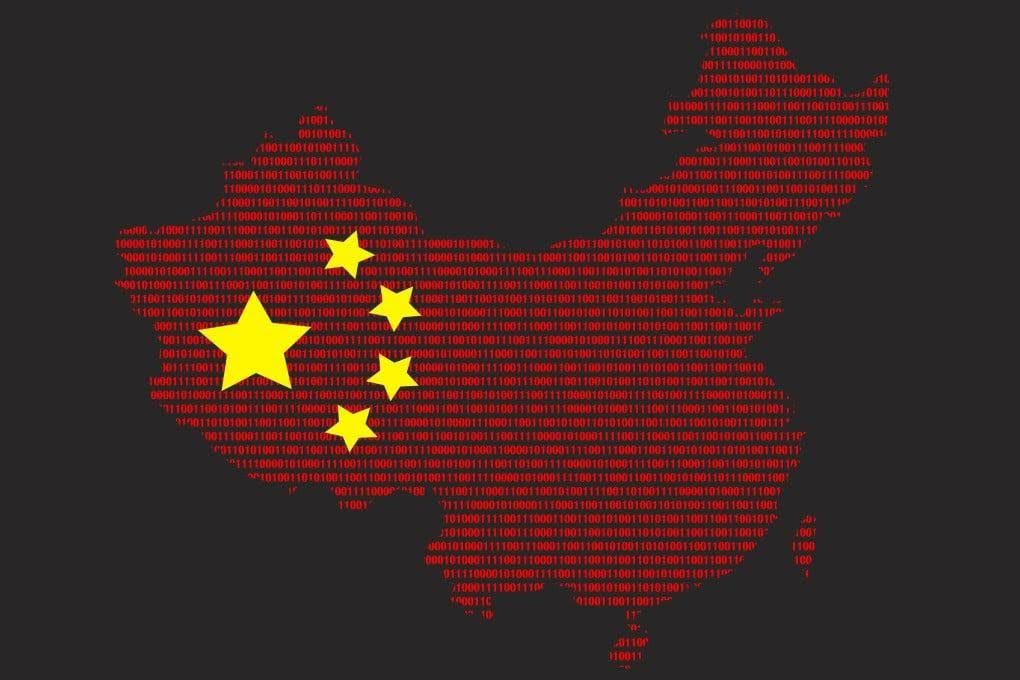
China Sets 2030 Deadline for National Blockchain Network Despite Sweeping Crypto Ban
Key Takeaways: Under the new 5-year digital strategy, China aims to achieve a national blockchain network which will be largely co...

Kraken wins Fintech Company of the Year – Established at the National Fintech Awards 2026
TL;DR Kraken was named Fintech Company of the Year – Established at the Business Post’s National Fintech Awards 2026 in Dublin. Th...

UNDP And Blockchain For Good Put Public-Service Security Ahead Of New Payment Rails
UNDP and the Blockchain for Good Alliance announced a two-year cybersecurity programme on October 19. The initiative brings a prac...

Blockstream Executive Peter Bain: Institutional Clients Say Bitcoin “Poised for a Big Bull Run”
▶Bitcoin Magazine Blockstream Executive Peter Bain: Institutional Clients Say Bitcoin “Poised for a Big Bull Run” Bitcoin is holdi...

Netanyahu Floats Blockchain as a Sanctions Workaround; Israel’s Central Bank Objects
Israeli Prime Minister Benjamin Netanyahu said in a Channel 10 interview on Friday, Oct. 23, that Israel has to get ready for poss...
22 Companies Block OKXICE Tokenized Stocks, Putting 63-Share Crypto Plan Under Pressure
Key Takeaways: A total of twenty-two companies have declined to accept tokenization of their shares on the pending OKXICE. Among t...