BitFuFu’s October Bitcoin Mining Output Falls Despite Steady Hashrate
TL;DR: BitFuFu produced 137 BTC in October, down from 167 in September, while managed hashrate stayed close to 19.5 EH/s. The miner attributed the decline partly to rising network difficulty, illustrating why steady capa...
Archive context
Older archive item. Useful for background and entity history, but not a fresh market-moving signal.
TL;DR: BitFuFu produced 137 BTC in October, down from 167 in September, while managed hashrate stayed close to 19.5 EH/s. The miner attributed the decline partly to rising network difficulty, illustrating why steady capacity does not necessarily mean steady production.
A Bitcoin miner can run broadly the same amount of computing power and still produce fewer coins. BitFuFu’s latest monthly operating statement provides a neat example. The company reported November 6 that it mined 137 BTC in October, down from 167 in September, even as total hashrate under management remained largely unchanged.
Its managed rate stood at 19.5 exahashes per second, compared with 19.4 EH/s a month earlier. The company held 1,454 BTC at October’s end, up from 1,388 in September. Production decreased while the treasury balance increased, because production and coin retention are separate measures.
Difficulty makes the same equipment earn lessBitFuFu said Bitcoin network difficulty rose about 11.8% during October, from 132.76 trillion at the beginning of the month to 148.36 trillion at month-end. Difficulty adjusts how hard it is for miners collectively to find valid blocks. When competition increases, a miner with an unchanged share of computing power may capture a smaller share of the rewards than before.
The split inside BitFuFu’s operation was also revealing. Self-mining production fell to 67 BTC from 98 BTC, while cloud-mining production was nearly flat at 70 BTC against 69 BTC in September. Total monthly production therefore declined by 30 BTC, but the effect was not identical across its operating categories.
NewsBTC recently examined Bitcoin’s recovery above one zettahash of network hashrate. That broader competition can be healthy for network security while making mining economics more demanding for individual operators. It is possible for both statements to be true at once.
Efficiency improves, but economics remain demandingBitFuFu’s average fleet efficiency improved to 16.3 joules per terahash from 16.7 in September. Lower energy use per unit of hashing is useful, although it does not automatically offset higher difficulty, power prices, financing costs or changes in Bitcoin’s market price. The company also reported power capacity under management of 317 megawatts, compared with 324 MW a month earlier.
These figures are particularly relevant when evaluating mining businesses that sell both direct Bitcoin exposure and computing services. Managed hashrate can include machines owned by clients or supplied by third parties, not just equipment on the company’s balance sheet. Investors should therefore distinguish self-owned hashrate, contractual capacity, energy efficiency and coins actually received.
A miner accumulating coins can improve its Bitcoin exposure even while production slows. But treasury growth alone says little about the cost of producing each BTC or the cash needed to keep equipment operating. The real test is whether operations remain resilient when difficulty rises and the market price fails to keep pace.
What November’s update should establishThe next report will show whether October’s production weakness was temporary or persisted under the next difficulty environment. Useful metrics include self-mined output, third-party mining contribution, installed and energised capacity, average fleet efficiency and the amount of Bitcoin retained rather than sold.
BitFuFu’s figures are unaudited operating metrics, not a full measure of profitability. They nevertheless make the central point clearly: Bitcoin mining is a competitive process, and an operator can improve its hardware efficiency while producing fewer coins. That is why mining comparisons need more than a headline hashrate number.
This article was written by the News Desk and edited by Samuel Rae.
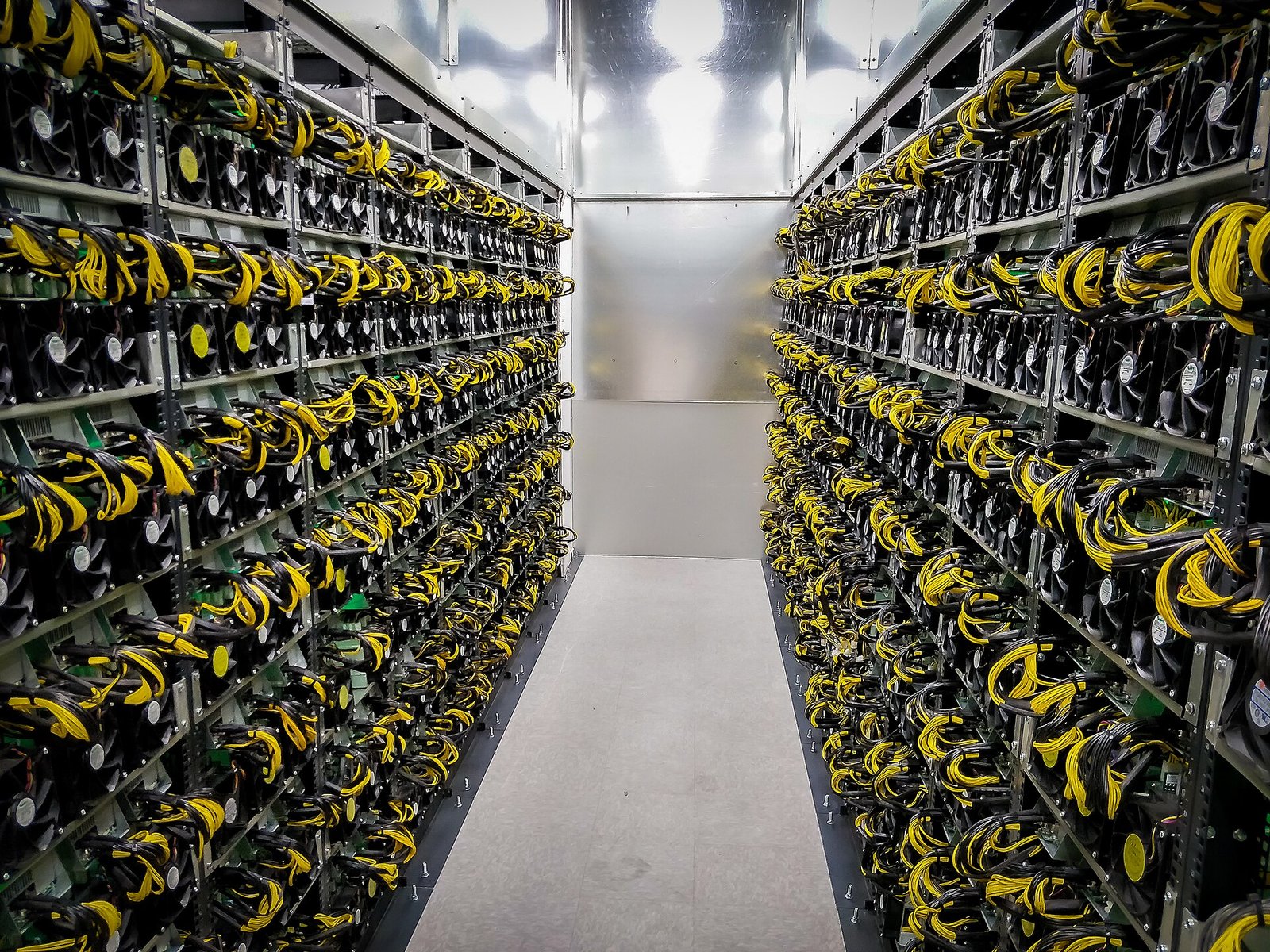
Featured image: Illustrative photograph of Bitcoin mining racks in a data centre (2018 Argo Blockchain Mirabel facility; generic mining illustration only — does NOT depict a BitFuFu, IREN, or TeraWulf facility). Photo: MikeBogosian via Wikimedia Commons, licensed under CC BY-SA 4.0.
Why this matters
Bitcoin is showing up inside the Institutional Adoption theme, so this story is worth tracking for follow-through rather than treating it as a one-off headline.
Original source
Read on NewsBTCRelated market context

Bitcoin Mining Difficulty Rises 7.61%, Undoing Most of Cut
Miners can expect to earn about 7.1% less from the same computing power if Bitcoin’s price and the reward per block stay fixed.......

Bitcoin miners are shutting down machines, but mining just got even harder
From a hypothetical $60,000, a move to about $64,570 would restore expected gross dollar revenue per unit of mining power at uncha...

Cango contractor dies after October fire at Georgia Bitcoin mining facility
The incident underscores the critical need for enhanced safety protocols in high-risk industries like Bitcoin mining to prevent fu...

Bitcoin Goes 98 Minutes Without a New Block as Mining Pressure Mounts
Bitcoin records its longest block interval since July at 98 minutes as declining hashrate and falling mining revenues ups pressure...

Bitcoin Price Trades Near $61,300 as Tech Stock Futures Rally
Bitcoin Magazine Bitcoin Price Trades Near $61,300 as Tech Stock Futures Rally The bitcoin price traded near $61,300 on Friday mor...

Swiss Bitcoin ETF: Bitcoin Wasn’t the Problem, Institutional Rules Were – BIT CEO
Europe’s first spot Bitcoin ETF launched with 350 BTC worth more than $20 million, opening a new chapter for the country’s regulat...