China Is Mining Bitcoin Underground: Report
About 20% of the world’s bitcoin miners are estimated to still operate from Chinese soil.According to a report by CNBC, bitcoin miners have found ways to keep operating in China despite the country’s comprehensive effort...
Archive context
Older archive item. Useful for background and entity history, but not a fresh market-moving signal.

About 20% of the world’s bitcoin miners are estimated to still operate from Chinese soil.
According to a report by CNBC, bitcoin miners have found ways to keep operating in China despite the country’s comprehensive efforts to crack down on the industry.
China used to be the country with the most significant share of hashrate. But that began to change in May when Chinese authorities began cracking down on Bitcoin and bitcoin mining. The increased regulatory scrutiny led to tangible impacts on BTC miners and exchanges, which started limiting or putting an end to their activities. In under a month, the Chinese crackdown led ASIC maker Bitmain to stop sales, a sharp decline in Bitcoin’s total hash rate, and an “ASIC exodus” to ensue as the bitcoin mining landscape began to change.
By September, China had issued a complete ban on Bitcoin. Despite the prohibition, the peer-to-peer network saw nearly 145 Bitcoin nodes still running on Chinese soil after a few days. According to data from Bitrawr.com, there are currently 125 nodes in the Asian country. Similarly, it appears that not all bitcoin miners have fled China.
Ben, a Chinese miner, told CNBC that he had gone underground, spreading his mining equipment across multiple locations to decrease the chances of being spotted on China’s power grid. He has also taken steps to conceal his digital geographical footprint and go behind the meter, pulling electricity from small power sources unconnected to the country’s larger grid.
“We never know to what extent our government will try to crack down…to wipe us out,” Ben reportedly said.
The report said that as much as 20% of the world’s bitcoin miners are estimated to still reside in China, scattered across the country in setups similar to Ben’s. It cited a November report by Chinese cybersecurity company Qihoo 360, which estimates an average of 109,000 bitcoin mining IP addresses active in China daily. An estimate from Cambridge University, however, says there are no miners left in the Asian country.
Whereas big miners quickly and effectively moved overseas into friendlier regulations in Kazakhstan and the U.S., medium-sized miners saw their hands tied. “They couldn’t offload their equipment to recoup their losses, nor could they mine at full capacity again, because their electrical footprint is easy to pick out,” per the report. But smaller miners could deploy their operations across small power grids in China and maintain part of the operations.
“Mining is no longer a big business” in China, another bitcoin miner told CNBC. Instead, the miner said the activity is now scattered across the country, with “a couple thousand miners here, a couple thousand miners there. It’s more like a sort of band-aid to make money to help move the miners out of the country.”
According to the report, besides plugging into small power grids, far from government oversight, these smaller bitcoin miners often evade Chinese censorship by joining foreign mining pools willing to sign them up despite the ban and helping them uncover their activity.
Why this matters
This mining story adds another data point to the current market tape and is useful when read alongside nearby source coverage.
Original source
Read on Bitcoin MagazineRelated market context

JPMorgan Buys More Strategy and Bitcoin ETF Despite MSCI Saylor Blow
JPMorgan is quietly increasing its Bitcoin exposure while the crypto market is being beaten up. The banking giant raised its Strat...

Futurebit Bitcoin Mining Rigs Hit Retail Stores as Solo Miners Keep Winning Big
Bitcoin mining hardware is heading to retail store shelves as Futurebit partners with electronics retailer Micro Center to sell it...

Tether Builds $4.8B US Stock Portfolio Across 13 Companies
Tether has built an estimated $4.8 billion portfolio across 13 U.S.-listed companies, according to a Protos review of SEC filings....
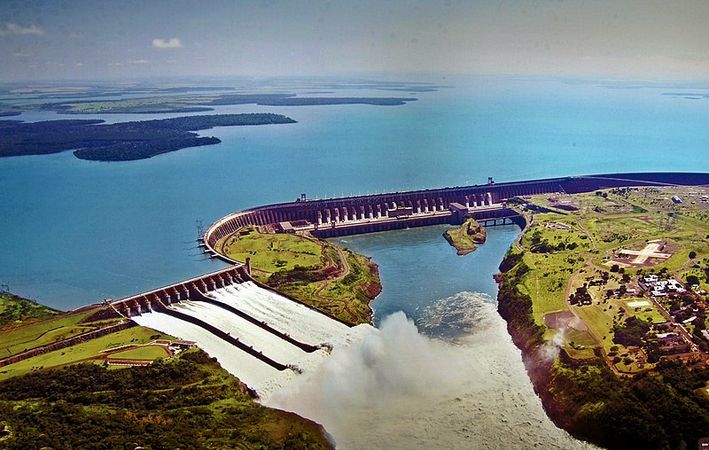
Bitcoin miners pay Paraguay $350 million a year, but AI is pushing them out
Contracts that sell power to a 4% slice of the world’s bitcoin mining at $44 a megawatt-hour expire on Dec. 31, 2027. Paraguay’s s...
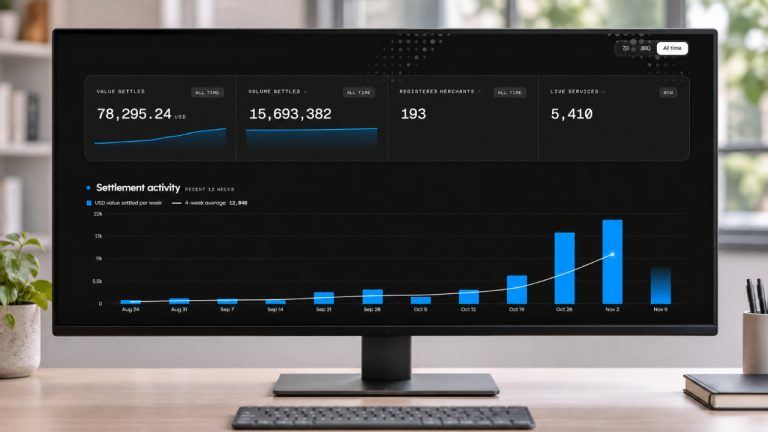
XRP Ledger AI Services Exceed 5,400 Across More Than 190 Merchants
AI agents can now purchase more than 5,400 services on the XRP Ledger, according to t54. Its expanding directory connects automate...

Paraguay plans to end special crypto power contracts by 2027
Paraguay's shift from crypto to AI power contracts may reshape its economic landscape, prioritizing long-term growth and job creat...