Chip Giant Intel Abandons Bitcoin ASIC Production
After announcing the production of bitcoin application-specific integrated circuits (ASICs), Intel, the world’s largest semiconductor chip manufacturer by revenue, appears to be abandoning its blockchain chip production....
Archive context
Older archive item. Useful for background and entity history, but not a fresh market-moving signal.
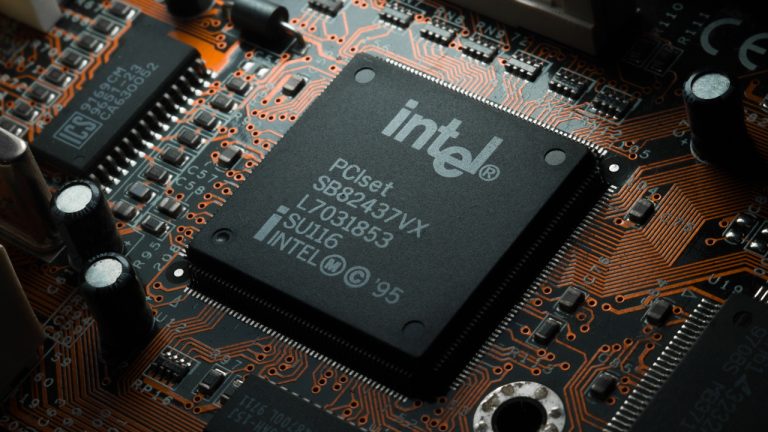
After announcing the production of bitcoin application-specific integrated circuits (ASICs), Intel, the world’s largest semiconductor chip manufacturer by revenue, appears to be abandoning its blockchain chip production. On Tuesday, a spokesperson for the chip manufacturer explained that Intel has “end-of-lifed the Intel Blockscale 1000 Series ASIC.”
Intel Spokesperson Discloses Company Has End-of-Lifed the Blockscale 1000 Series ASICIn February 2022, the California-based technology company Intel made headlines when it announced its plan to create “energy-efficient accelerators,” or ASIC technology, to contribute to the development of blockchain technologies. Later that month, at the 2022 International Solid-State Circuits Conference (ISSCC), the company unveiled the Bonanza Mine BMZ1. At that time, Tom’s Hardware author Paul Alcorn stated that Intel was also developing a second iteration of the Bonanza Mine ASIC, known as the BMZ2.
Moreover, in March 2022, it was reported that mining firms such as Hive, Argo, Block, and Grrid were buying bitcoin mining chips from Intel. On Tuesday, Tom’s Hardware reporter Alcorn spoke to Intel about the project, and it appears that Intel is discontinuing its bitcoin accelerator production, also known as “Blockscale chips.” Alcorn further notes that “no future generations have been announced.” An Intel spokesperson stated:
As we prioritize our investments in IDM 2.0, we have end-of-lifed the Intel Blockscale 1000 Series ASIC while we continue to support our Blockscale customers.
In addition, Alcorn’s report notes that “Blockscale ASIC landing pages are now all inactive,” and product pages have been “scrubbed.” Intel also informed the reporter that customers have until October 2023 to order chips, but “shipments will end in April 2024.” So far, the dominant force in the ASIC manufacturing industry has been Bitmain, with few competitors. Aside from Bitmain, firms such as Microbt, Canaan, and Innosilicon also operate in this space. According to reports, Bitmain uses 5nm TSMC-made chips, while Microbt utilizes Samsung’s 5nm ASIC technology. Additionally, Samsung is reportedly in the process of creating 3nm ASIC chips.
What do you think this move means for the future of ASIC manufacturing? Do you see any ASIC manufacturing competitors coming to the industry? Share your thoughts about this subject in the comments section below.
Why this matters
This mining story adds another data point to the current market tape and is useful when read alongside nearby source coverage.
Original source
Read on Bitcoin NewsRelated market context

Kraken wins Fintech Company of the Year – Established at the National Fintech Awards 2026
TL;DR Kraken was named Fintech Company of the Year – Established at the Business Post’s National Fintech Awards 2026 in Dublin. Th...

China Sets 2030 Deadline for National Blockchain Network Despite Sweeping Crypto Ban
Key Takeaways: Under the new 5-year digital strategy, China aims to achieve a national blockchain network which will be largely co...
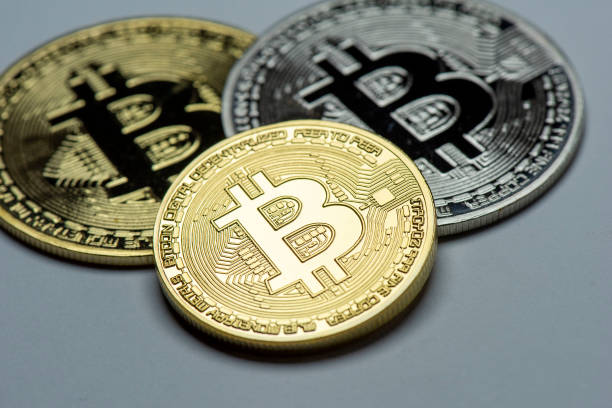
NIP Group Signs Bitcoin Miner Purchase To Add 4.47 Exahash Of Capacity
TL;DR: NIP Group has agreed to purchase already deployed Bitcoin mining machines with about 4.47 EH/s of hash rate, subject to clo...
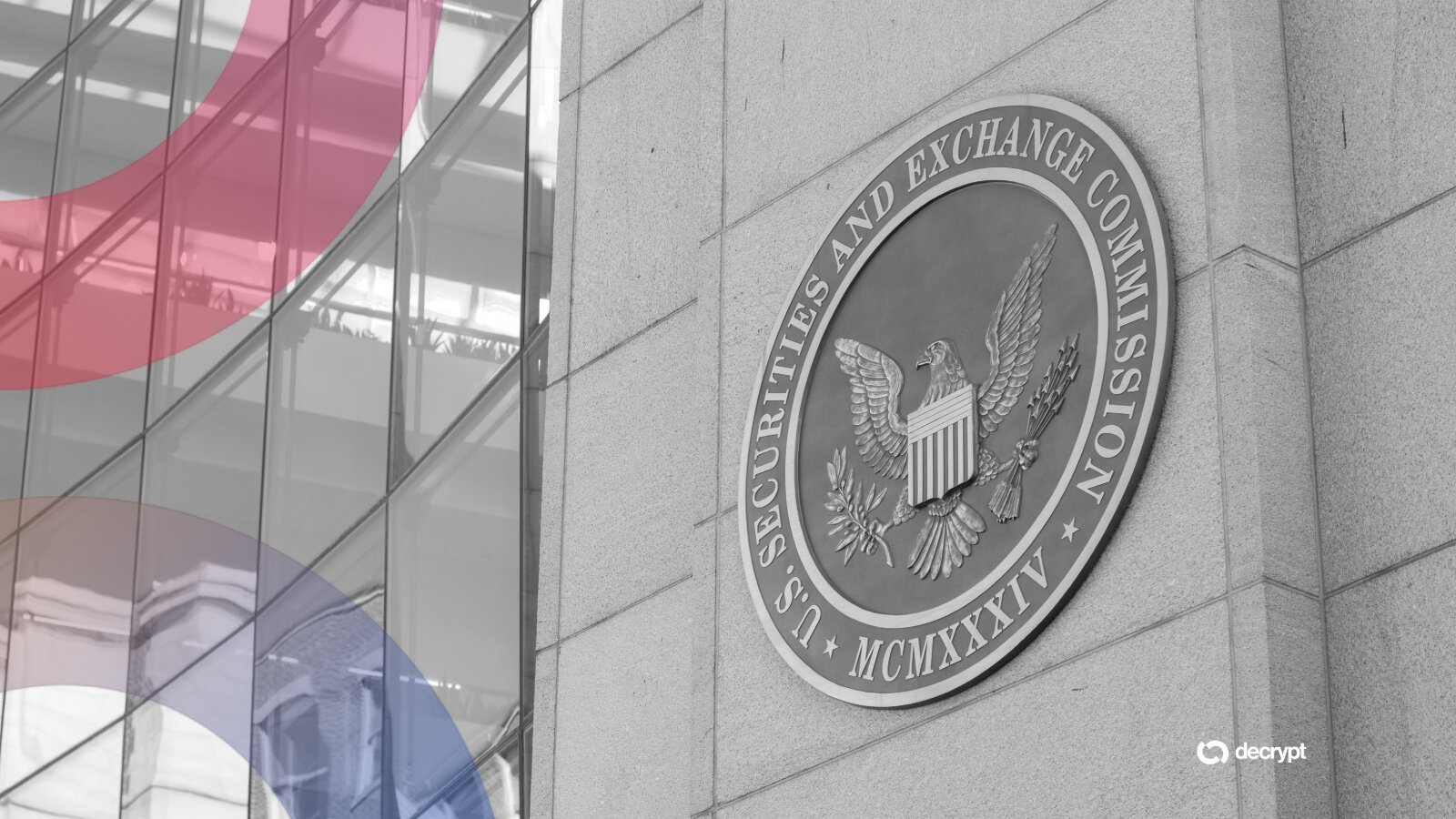
SEC Flags AI 'Super Intelligence' and Tokenization as Systemic Market Risks
The regulator's Division of Examinations named "super intelligence and other advanced technologies" as a focus area alongside toke...

Sony Soneium Coin: PlayStation and GTA 6 Crypto Twist?
Soneium, the blockchain ecosystem associated with Sony Group’s Web3 strategy, announced plans to introduce its native ecosystem co...

Bitdeer Reports 1,355 Bitcoin Mined In September While Building AI Capacity
TL;DR: Bitdeer says its September Bitcoin production reached 1,355 BTC, highlighting the miner’s expanding hash rate alongside sep...