Crypto Miners in Kazakhstan Start Paying Higher Electricity Fees
Since the beginning of 2023, cryptocurrency miners operating in Kazakhstan are obliged to pay new fees for the power they need to mint digital coins. A surcharge introduced in 2021 now depends on the price of electricity...
Archive context
Older archive item. Useful for background and entity history, but not a fresh market-moving signal.
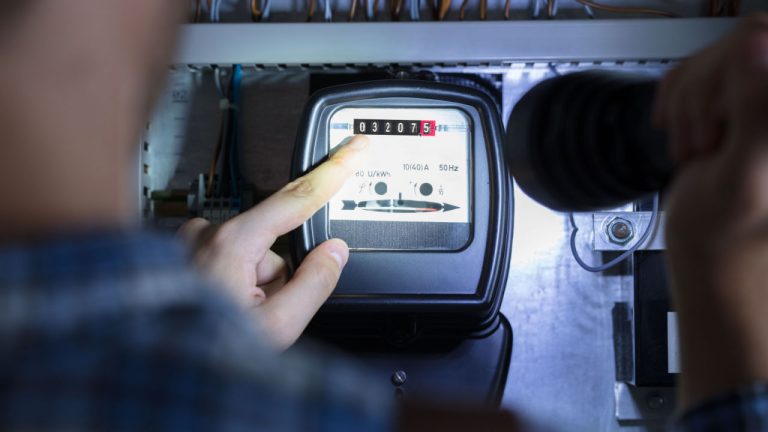
Since the beginning of 2023, cryptocurrency miners operating in Kazakhstan are obliged to pay new fees for the power they need to mint digital coins. A surcharge introduced in 2021 now depends on the price of electricity consumed by bitcoin farms and can be much higher than the original levy.
New Year Brings Higher Costs for Companies Mining Crypto in KazakhstanStarting from Jan. 1, an electricity fee imposed on crypto miners in Kazakhstan is being calculated according to a progressive scale. The initial universal surcharge of 1 Kazakhstani tenge ($0.002) per kilowatt-hour (kWh), first adopted in the summer of 2021, can now reach 25 tenge (over $0.05).
The rate in each case depends on the source and price of electrical energy used to extract digital currencies. The new mechanism to determine the tariff was introduced with a bill amending the country’s Tax Code which President Kassym-Jomart Tokayev signed into law in July 2022.
The base for the levy is the average price of electricity consumed by a miner during a given tax period. If a company paid 24 tenge or more per kWh, the minimum fee of 1 tenge would be charged, as per the latest tariff scale quoted by Interfax Kazakhstan and other local media.
The lowest rate will also be offered to crypto farms using renewable energy, not taking into account the cost of the electricity. And for energy produced from other sources — the cheaper the power utilized, the heavier the tax burden. The fee can go up to 25 tenge per kWh, the reports detail.
Kazakhstan became a mining hotspot after China’s crackdown on the industry in 2021, attracting crypto miners with its low, subsidized electricity rates. The influx of mining companies has been blamed for the country’s growing power deficit.
The authorities in Nur-Sultan have been going after unauthorized mining farms and taking steps to more comprehensively regulate the sector. A provision in a new bill adopted by Kazakhstan’s parliament in December aims to oblige miners to buy surplus electricity on a government-controlled market.
An earlier legislative proposal, which was submitted by a group of lawmakers in October, limits mining to only registered firms. It also allows non-resident entities to mine in the country as long as they have agreements with locally licensed data centers.
Do you think the new fees may convince some mining companies to leave Kazakhstan? Share your thoughts on the subject in the comments section below.
Why this matters
This mining story adds another data point to the current market tape and is useful when read alongside nearby source coverage.
Original source
Read on Bitcoin NewsRelated market context
Tether Wins Mining Industry Support For Its Open Automation Toolkit
Tether is trying to make Bitcoin mining equipment easier to operate as one system. Its October 24 announcement brings 15 industry...
Bitcoin Hashrate Reclaims One Zettahash As Mining Competition Rebounds
TL;DR: BlocksBridge reported Bitcoin’s seven-day hashrate above one zettahash in the week to October 22. Mining competition has re...
Bitdeer Reports 1,355 Bitcoin Mined In September While Building AI Capacity
TL;DR: Bitdeer says its September Bitcoin production reached 1,355 BTC, highlighting the miner’s expanding hash rate alongside sep...
SEC Examiners Set Sights on Tokenization at Clearing Agencies for Fiscal 2027
The SEC’s Division of Examinations has named tokenization among the “high-risk areas” its staff will focus on when examining clear...
Kraken Lists SFI As Saffron Puts Uniswap Trading Fees At The Center Of Its Product
Kraken added SFI trading on October 23, bringing fresh exchange access to a token attached to a protocol that has changed substant...
22 Companies Block OKXICE Tokenized Stocks, Putting 63-Share Crypto Plan Under Pressure
Key Takeaways: A total of twenty-two companies have declined to accept tokenization of their shares on the pending OKXICE. Among t...