Crypto Mining Blamed for Up to 20% of Iran’s Power Imbalance
Iranian officials have raised concerns over the rising strain crypto mining is placing on the nation’s electricity grid, claiming that the activity now contributes to as much as 20% of the country’s energy imbalance. Key...
Archive context
Older archive item. Useful for background and entity history, but not a fresh market-moving signal.

Iranian officials have raised concerns over the rising strain crypto mining is placing on the nation’s electricity grid, claiming that the activity now contributes to as much as 20% of the country’s energy imbalance.
Key Takeaways:
- Iranian officials say crypto mining now contributes up to 20% of the country’s electricity shortfall.
- Over 900,000 illegal mining devices were recently shut down during a nationwide internet outage.
- Authorities are ramping up enforcement, seizing over 250,000 unauthorized rigs across multiple provinces.
Speaking on Monday, Mohammad Allahdad, deputy head of Iran’s state-run power company Tavanir, said crypto mining operations are consuming nearly 2,000 megawatts (MW) of electricity, equivalent to the output of two Bushehr nuclear reactors.
Although this represents just 5% of the country’s overall consumption, the impact on Iran’s current energy deficit is far more severe.
Crypto Mining Fuels 20% of Iran’s Power Shortfall, Says Official“Crypto mining now accounts for up to 20% of the shortfall in our electricity grid,” Allahdad stated, describing the figure as both significant and alarming.
He cited data from a recent nationwide internet outage linked to the conflict with Israel, which caused power usage to drop by 2,400 MW, largely due to the shutdown of over 900,000 unauthorized mining devices.
The strain is being felt most acutely during Iran’s scorching summer, when power demand spikes due to widespread use of air conditioning, agricultural operations, and industrial production.
Allahdad warned that illegal mining during peak hours can lead to voltage drops, equipment damage, and even fires caused by the heat generated by the machines.
Authorities have discovered that many mining farms are hidden in abandoned homes, warehouses, or unused industrial buildings.
Tavanir has launched a public reporting initiative, offering rewards of up to 200 million tomans (around $2,300) to individuals who report unauthorized mining activity.
Hadi Sefidmou, who heads Iran’s crypto mining oversight task force, added that producing one Bitcoin with outdated equipment can consume up to one million kilowatt-hours—equivalent to the annual electricity use of 440 Iranian households.
Even with newer hardware, each mining unit still consumes as much power as 12 homes.
About 1 in every 32 Bitcoin may be mined in Iran
According to some reports, Iran may account for ~3.1% of global BTC mining.
Why?
They figured out how to turn oil into crypto to dodge sanctions and spend freely.
How it works:
Domestic model: Burn oil/gas to power rigs…
In response, enforcement actions are ramping up. More than 250,000 illegal miners have been seized across multiple provinces, including Tehran, Isfahan, Fars, and East Azarbaijan.
Just this week, 108 rigs were discovered in an abandoned Ahvaz factory, while another bust in Alborz province uncovered 168 unauthorized devices between March and June.
With electricity demand now exceeding 70,000 MW, officials say addressing illicit mining is no longer optional.
Chinese Roots Still Dominate Global Bitcoin MiningAs reported, over half of the world’s Bitcoin mining operations still trace their origins to China, with 55% to 65% of mining linked to Chinese capital, hardware, or expertise, according to Uminers CEO Batyr Hydyrov.
Despite China’s 2021 mining ban, key Chinese players have maintained influence by relocating operations overseas.
Major Chinese manufacturers Bitmain, Canaan, and MicroBT, responsible for 99% of Bitcoin mining hardware, have shifted production to the U.S. to avoid tariffs, helping boost America’s share of Bitcoin’s total hashrate from 4% in 2019 to 38% today.
Hydyrov added that former Chinese miners have often increased capacity after moving abroad, with some expanding by up to 150%, and noted that limited mining still persists within China’s remote regions where enforcement is lax.
The post Crypto Mining Blamed for Up to 20% of Iran’s Power Imbalance appeared first on Cryptonews.
Why this matters
This mining story adds another data point to the current market tape and is useful when read alongside nearby source coverage.
Original source
Read on CryptonewsRelated market context

FTX’s old Bitcoin-mining infrastructure gets a second life powering AI
The shift from crypto mining to AI workloads highlights the evolving landscape of digital infrastructure, emphasizing connectivity...
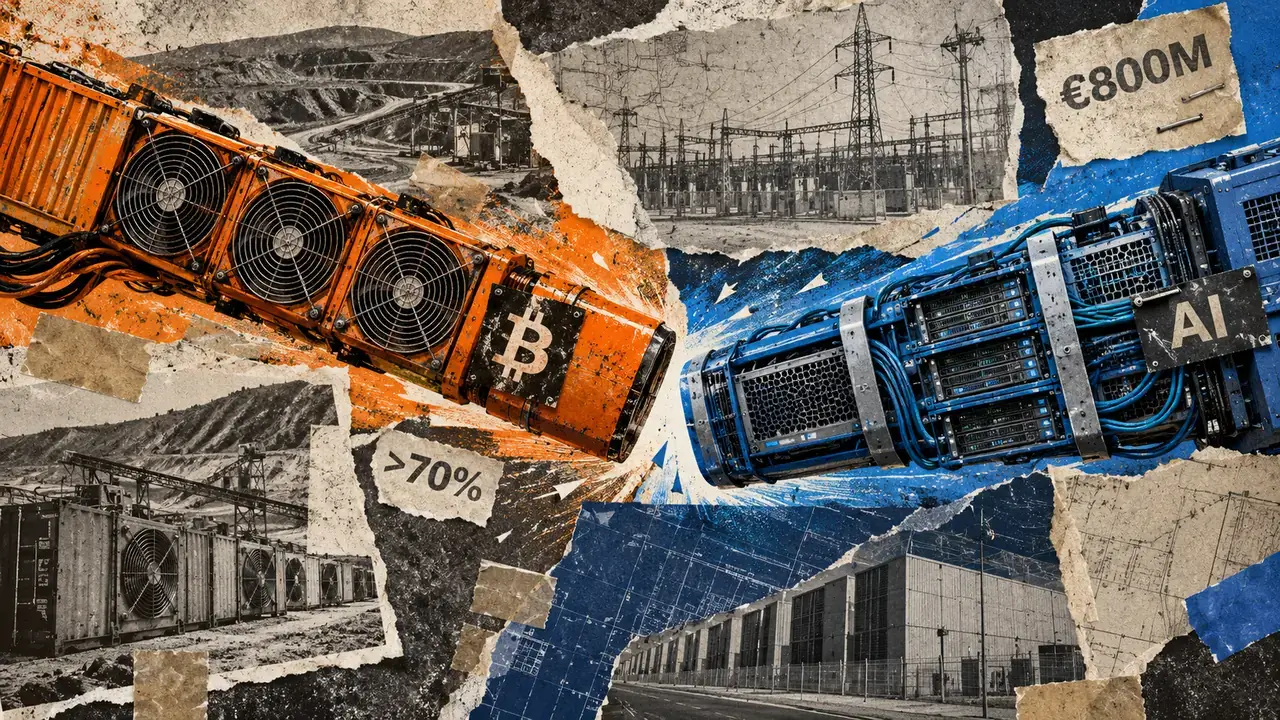
FTX’s former Bitcoin mining bet gets new life as parent raises €800 million for AI
SWI Group has raised €800 million to expand AI infrastructure, advancing its plan to repurpose FTX-backed Bitcoin miner Genesis Di...
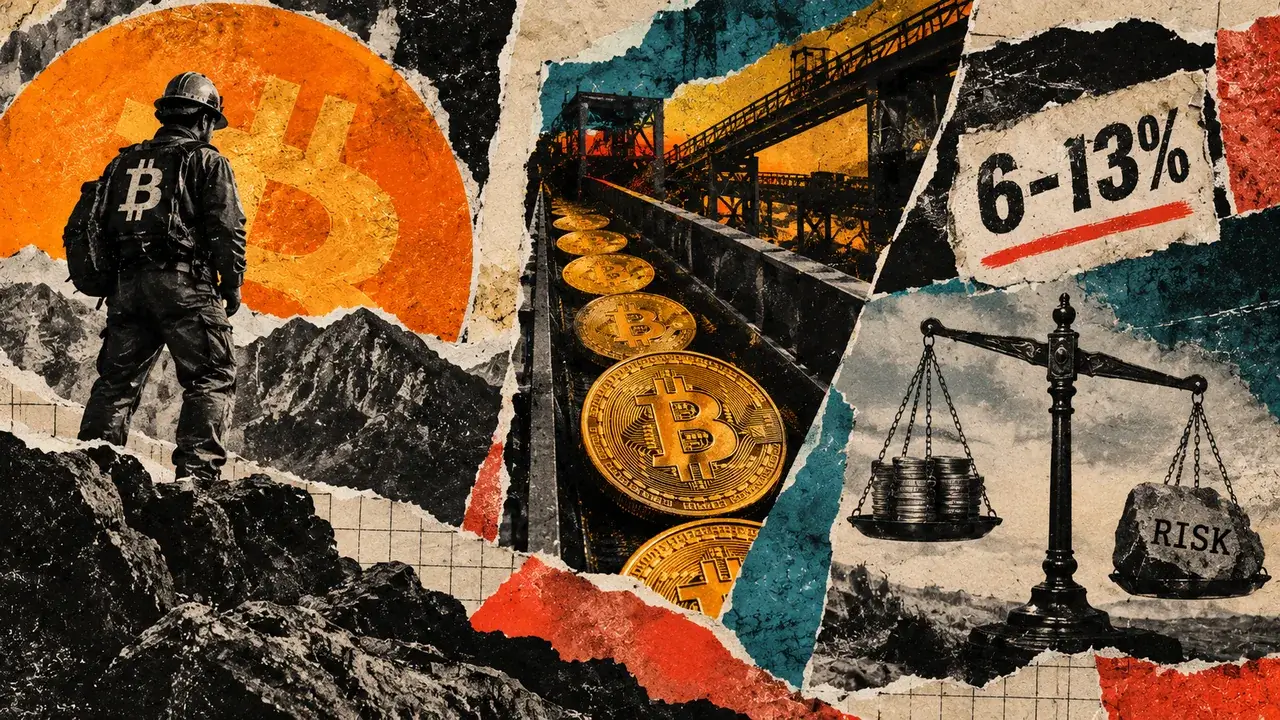
Luxor’s reported 6–13% annualized Bitcoin yield depends on mining delivery
Luxor, a Bitcoin mining derivatives provider, reported a 6–13% annualized Bitcoin financing spread in its September lookback, publ...
‘We Know Where It Is’: Treasury Secretary Threatens To Freeze $1B of Iran’s Crypto
Bitcoin Magazine ‘We Know Where It Is’: Treasury Secretary Threatens To Freeze $1B of Iran’s Crypto U.S. Treasury Secretary Scott...

Circle Brings USDC and EURC Into SAP Workflows Powering 84% of Global Commerce
Key Takeaways: Circle and Tereina are introducing USDC and EURC to the SAP payment flow. USDC will process eligible dollars while...

Binance to shut down Binance Pool and related mining services on November 10
The shutdown of Binance Pool may drive miners to diversify their operations, potentially impacting the competitive landscape of mi...