Energy Deregulation in Nigeria Could Lead to Bitcoin Mining Gold Rush
( 93,950 Megawatts ) are not just figures in this context, rather these are the actual numbers of untapped potential carbon-emission-free energy sources in Nigeria alone. These stats include 68 percent small and large hy...
Archive context
Older archive item. Useful for background and entity history, but not a fresh market-moving signal.
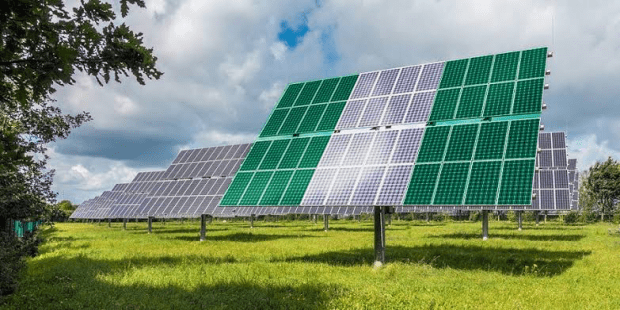
( 93,950 Megawatts ) are not just figures in this context, rather these are the actual numbers of untapped potential carbon-emission-free energy sources in Nigeria alone. These stats include 68 percent small and large hydroelectric power plants, 7 percent solar and photovoltaic energy sources, onshore wind energy sources of about two percent and 21 percent nuclear power source options. Interestingly, amidst the vibrant landscapes of Africa's heartland lies a thrilling synergy of renewable energy opportunities. An ever-expanding realm that justifies the perfect energy option for fostering Bitcoin mining activities in favorable jurisdictions. Nigeria's rich renewable energy resources and the new electricity act of 2023 are poised to ignite an electrifying revolution, paving the way for a sustainable and prosperous future in the country’s energy sector with highlighted possibilities of solving the country’s inflationary crisis.
Image Source:- DatapyteTHE ELECTRICITY ACT AND BITCOIN MINING.
The process of mining Bitcoin using renewable energy sources such as solar, wind, or hydropower has gained popularity in recent years due to the critics' concerns about the environmental impact of traditional Bitcoin mining, now making up over 52% of Bitcoin mining energy. Some companies such as Gridless Compute , Big Block Green Services , and TrojanMining have set up large-scale mining operations powered entirely by renewable energy, such as solar, wind and hydro-powered Bitcoin mining farms in Kenya, Malawi, Nigeria, Congo and other countries. Some critics argue that the scalability of renewable energy sources makes it difficult to rely on for large-scale Bitcoin mining operations. Nonetheless, the use of renewable energy in Bitcoin mining is an applaudable development in the efforts towards making Bitcoin Mining eco-friendly and using it to help build sustainable electrical infrastructure as discussed in Erik Hersman Bitcoin Mining grid expansion analysis. Verifiable Bitcoin mining infrastructure such as Daniel Batten’s Bitcoin Mining farm dependent on renewable energy sources have shown the efficiency of this energy option toward making bitcoin mining a net negative methane emission and 100% green. An approach aimed at avoiding environmental degradation.
Image Source :- TrojanMining, Nigeria.DE-MONOPOLIZATION OF ELECTRICITY GENERATION POWER OF NERC
The recent Nigerian regulatory approach towards the effective utilization of these carbon-emission-free energy sources is a step in the right direction. Leveraging and setting up private and institutional Bitcoin mining farms in Nigeria would have been more of a daunting task than a duck soup without favorable policies and friendly regulatory environment. Encouraging policies are the driving force towards a growing economy. Restructuring policies was one of the factors that triggered decisions leading to approving the Nigeria Blockchain Policy Bill as well as signing the Electricity Act into law. Reflecting on this new development, electricity generation licenses are mandated to meet renewable energy generation obligations as prescribed by NERC. As such, electricity generating companies will be mandated to either generate power from renewable energy sources, purchase power generated from renewable energy or procure any instrument representing renewable energy generation. Fundamentally, the aim is to create a market for renewable energy and thereby stimulate investments in the sector.
. Image Source:- Gridless, Kenya.INVESTOR’S ROLE & DECISION MAKING CRITERIA.
Insights from the conversation that led to a tweet from DigiOats ( a Nigeria based Bitcoin Consultancy, Education and Liquidity Provision Firm ) confirms that in accordance to the “Nigeria Electricity Regulatory Commission -NERC” anyone may construct, own or operate an undertaking for generating electricity not exceeding 1 megawatt (MW) in aggregate at a site or an undertaking for distribution of electricity with a capacity not exceeding 100 kilowatts (Kw) in aggregate at a site, or such other capacity as NERC may determine from time to time, without a license. To mine bitcoin, about 1,314 watts ( 0.001314 Mw ) per rig is an estimated required amount of electricity needed, while firms and individuals are equipped with the luxury of generating 1,000,000 watts per site through any of their renewable energy sources legally.
POWER REQUIRED & CONCLUSION
Bitcoin mining necessitates specialized software and hardware integration, while often incorporating cutting-edge technologies such as ASIC and GPU-based rigs. Technology has proven that traditional CPUs can be used, but the substantial investment required in electricity and hardware often makes this approach inefficient. Proper cooling systems and fans are vital to avoid system breakdowns, as mining rigs must run continuously to achieve success. Leasing equipment, utilizing cloud-based systems, while creating and joining verifiable mining pools are alternative approaches that can enhance the odds of success in the mining process. It is important to note that the power consumption for Bitcoin mining can also vary depending on the location and cost of electricity generation, which is why the Nigeria Electricity Act is an important and encouraging directive towards making electricity generation cost effective and easily accessible in Nigeria. Although a deep and thorough analysis by Bitcoin mining experts and firms will be a prerequisite setup step for each mining firm.
This is a guest post by Heritage Falodun. Opinions expressed are entirely their own and do not necessarily reflect those of BTC Inc or Bitcoin Magazine.
Why this matters
This mining story adds another data point to the current market tape and is useful when read alongside nearby source coverage.
Original source
Read on Bitcoin MagazineRelated market context

Bitcoin Is Busier Than Ever, but Bitcoin Mining Isn’t Getting Paid More
Bitcoin is processing more transactions than ever before on an annual basis, but the growing activity is doing little to improve o...
Tether Wins Mining Industry Support For Its Open Automation Toolkit
Tether is trying to make Bitcoin mining equipment easier to operate as one system. Its October 24 announcement brings 15 industry...
Bitcoin Hashrate Reclaims One Zettahash As Mining Competition Rebounds
TL;DR: BlocksBridge reported Bitcoin’s seven-day hashrate above one zettahash in the week to October 22. Mining competition has re...

Tether’s mining development kit gets backing from 15 mining firms
Tether's MDK initiative could revolutionize Bitcoin mining by fostering interoperability and automation, potentially reshaping ind...

Bitdeer Reports 1,355 Bitcoin Mined In September While Building AI Capacity
TL;DR: Bitdeer says its September Bitcoin production reached 1,355 BTC, highlighting the miner’s expanding hash rate alongside sep...

DeFi Giant Uniswap Taps 7 Rival Liquidity Sources to Burn UNI Tokens
The decentralized exchange (DEX) platform Uniswap has turned DEX competitors into potential revenue sources for its UNI token-burn...