IMF Scrutinizes Pakistan’s Reported Bitcoin Mining Power Allocation Amid Energy Crisis
Key Takeaways: The International Monetary Fund (IMF) is raising serious questions about Pakistan’s reported plans to allocate 2,000 megawatts (MW) of electricity towards Bitcoin mining and AI data centers. This scrutiny...
Archive context
Older archive item. Useful for background and entity history, but not a fresh market-moving signal.
Key Takeaways:
- The International Monetary Fund (IMF) is raising serious questions about Pakistan’s reported plans to allocate 2,000 megawatts (MW) of electricity towards Bitcoin mining and AI data centers.
- This scrutiny comes as Pakistan faces ongoing energy shortages, fiscal challenges, and is in sensitive discussions with the IMF for financial support.
- The IMF is seeking urgent clarification from Pakistan’s Ministry of Finance regarding the legality of cryptocurrency mining in the country and the specifics of the power allocation.
- Concerns include the potential impact on electricity tariffs for other consumers, resource distribution, and the lack of a formal policy framework for cryptocurrencies.
- Pakistan’s government has reportedly shown enthusiasm for leveraging blockchain and crypto technology, but the IMF was not previously informed of these specific mining plans.
The International Monetary Fund (IMF) has reportedly voiced significant concerns and is seeking immediate clarification from Pakistani authorities regarding a proposed large-scale allocation of electricity for cryptocurrency mining operations. Reports indicate that Pakistan is considering earmarking a substantial 2,000 megawatts (MW) of power for Bitcoin mining and potentially for powering artificial intelligence (AI) data centers. This development has prompted the IMF to question the move, especially given Pakistan’s delicate economic situation and its ongoing negotiations with the Fund.
The IMF’s inquiries are directed towards Pakistan’s Ministry of Finance. Key questions revolve around:
- Legality of Crypto Mining: The IMF is questioning the legal status of cryptocurrency mining activities within Pakistan, as there is currently no comprehensive regulatory framework in place for digital assets.
- Power Allocation Details: Specifics are being sought on how such a large amount of electricity would be sourced and distributed, especially when the country frequently struggles with power generation and meeting existing demand.
- Economic Rationale: The Fund is likely examining the economic viability and potential repercussions of dedicating significant energy resources to an industry with volatile returns, particularly when other sectors might be in more critical need of power.
Pakistan is currently grappling with a number of serious economic challenges, making the timing and scale of the reported crypto mining initiative a point of particular concern for the IMF. The country faces:
- Chronic Energy Shortages: Pakistan has a history of electricity shortfalls, leading to load shedding (planned power outages) in various parts of the country. Allocating 2,000 MW, a significant quantum of power, to a new, energy-intensive sector like Bitcoin mining could exacerbate these shortages.
- Fiscal Pressures: The nation is under considerable fiscal stress and is reliant on IMF support programs to maintain economic stability. The IMF’s programs often come with conditions aimed at fiscal discipline and prudent resource management.
- High Energy Costs: The cost of electricity generation and its tariff for consumers are already sensitive issues in Pakistan. Diverting power to mining operations could have implications for the pricing of electricity for households and other industries.
The IMF was reportedly not informed about these specific crypto mining plans before they surfaced, adding another layer to the discussions. It’s understood that a separate meeting may be arranged between IMF officials and Pakistani authorities to delve deeper into the Bitcoin power allocation strategy.
Government’s Crypto Ambitions Meet Regulatory RealitiesDespite the lack of a formal policy framework, there have been indications of interest from some quarters within Pakistan to explore the potential of cryptocurrencies and blockchain technology. The reported plan to allocate power for Bitcoin mining suggests a desire to potentially tap into the digital asset economy. However, this enthusiasm is now running up against the scrutiny of international financial institutions like the IMF, which prioritize economic stability, transparent policymaking, and sustainable resource management.
The key challenges and considerations highlighted by the IMF’s involvement include:
- Need for a Clear Policy: The absence of a formal government policy on cryptocurrencies, including their mining, trading, and taxation, creates uncertainty and potential risks.
- Resource Prioritization: In a country facing energy deficits and competing demands for resources, the decision to allocate a large power block to crypto mining requires careful justification regarding its overall economic benefits versus costs.
- Impact on IMF Program: Pakistan’s adherence to sound economic policies is crucial for its relationship with the IMF and the continued disbursement of financial aid. Any move perceived as fiscally imprudent or lacking transparency could complicate these relations.
The government’s response to the IMF’s queries and its ability to present a clear, well-regulated, and economically sound plan for any potential crypto mining ventures will be critical in the coming weeks. The situation underscores the complex interplay between technological innovation, economic realities, and international financial oversight.
More News: IMF’s $120M Deal with El Salvador: Bitcoin Controversy Fuels Uncertainty in Crypto World
The post IMF Scrutinizes Pakistan’s Reported Bitcoin Mining Power Allocation Amid Energy Crisis appeared first on CryptoNinjas.
Why this matters
This mining story adds another data point to the current market tape and is useful when read alongside nearby source coverage.
Original source
Read on CryptoNinjasRelated market context

RedStone powers Hamilton Lane’s onchain push as Victor Jung flags stablecoin readiness
Tokenization's success hinges on stablecoin readiness and reliable oracles, potentially transforming private market liquidity and...
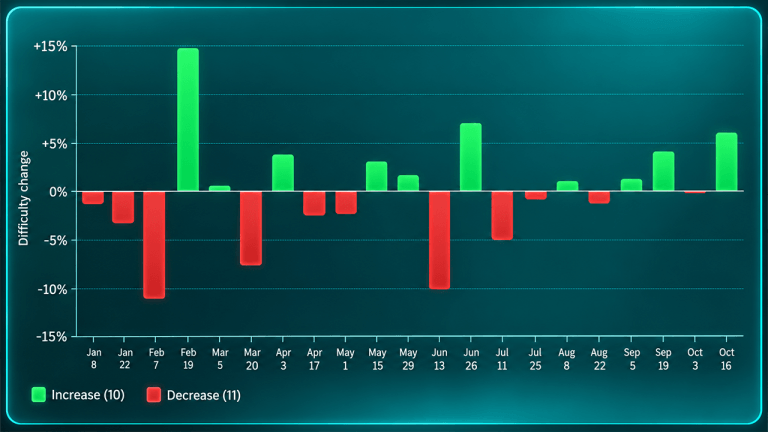
Bitcoin Mining Difficulty Jumps 5.92% in Third-Largest Hike of 2026
On Friday, at block height 971712, bitcoin mining grew considerably more demanding as the network’s latest difficulty adjustment c...
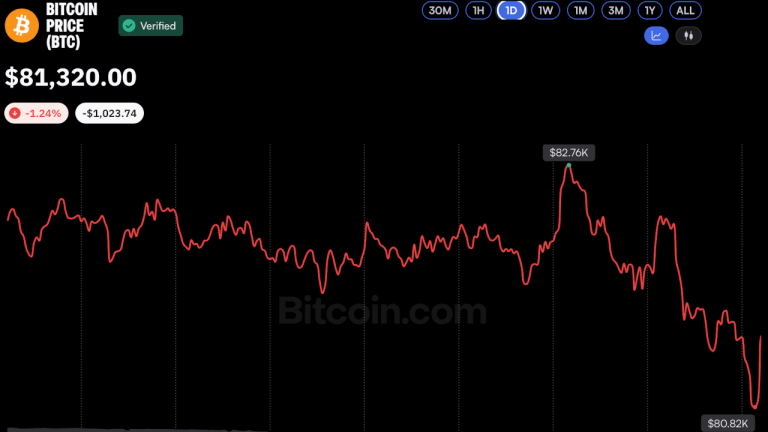
Bitcoin Price Hovers Near $81K as Analysts See Potential Market Bottom
Bitcoin slipped below $81,000 on Oct. 16 amid heightened market volatility, but analysts remained cautiously optimistic, suggestin...

Coinbase to power stablecoin-backed cards for Marqeta customers
The expanded partnership builds on Marqeta’s work powering Coinbase’s U.S. debit card offering in 2020.

Pump.fun moves into perpetual futures with Hyperliquid powering the engine
Pump.fun's move into perpetual futures could intensify competition, increase market risks, and highlight infrastructure dependency...

Block’s Proto Bitcoin Mining Hardware Now Available to Own via Sazmining
Bitcoin mining services provider Sazmining has launched a new offering that allows individual investors to purchase mining hardwar...