Iran Allows Renewable Power Plants to Supply Crypto Miners With Electricity
Authorities in Iran have decided to permit power generation plants using renewable sources to sell electricity to licensed cryptocurrency miners. The move comes after the government asked mining companies to suspend acti...
Archive context
Older archive item. Useful for background and entity history, but not a fresh market-moving signal.
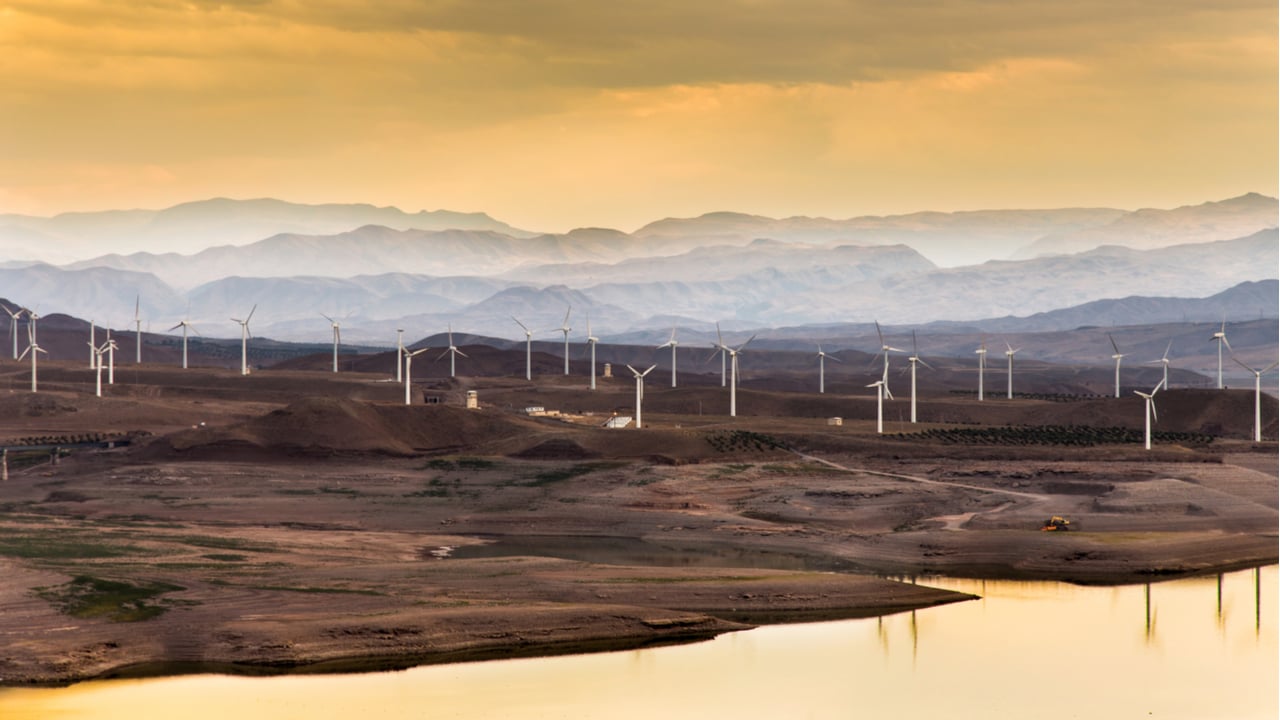
Authorities in Iran have decided to permit power generation plants using renewable sources to sell electricity to licensed cryptocurrency miners. The move comes after the government asked mining companies to suspend activities in order to avoid winter blackouts.
Crypto Miners in Iran to Mint Digital Coins Using Renewable EnergyRegulated companies mining cryptocurrency in Iran will gain access to green energy, local media reported. The Ministry of Energy in Tehran has adopted new rules allowing plants generating electricity from renewable sources to supply coin minting enterprises that operate within the law.
“Legal miners can enter into agreements with renewable power plants at negotiable terms and rates,” Mohammad Khodadadi, who heads the Tavanir department responsible for the mining industry, told the ISNA news agency. He also emphasized that the energy ministry will play a role in establishing the exact tariffs.
Tavanir, the Iran Power Generation, Distribution and Transmission Company, is the country’s state-owned utility that recently ordered authorized miners to unplug their equipment. The measure is part of efforts to prevent blackouts as energy demand increases with dropping temperatures.
The Ministry of Energy has been trying to reduce the use of liquid fuels for generation since last month, Tavanir’s spokesman Mostafa Rajabi Mashhadi recently told the state-run broadcaster IRIB. Shutting down licensed crypto farms is among a range of measures aimed at avoiding electricity shortages this winter.
Iran legalized bitcoin mining in 2019 and introduced a licensing regime for entities operating in the industry. Registered crypto farms are buying electricity at higher, export rates and many Iranian miners are avoiding the mandatory registration to take advantage of subsidized household prices.
In May, then-President Hassan Rouhani announced a temporary ban on crypto mining amid growing demand for electricity and insufficient supply caused by the extraordinarily hot weather and droughts. Authorized mining enterprises were also blamed for the shortages.
The country’s crypto community criticized the restrictions after estimates indicated that legal miners consume only around 300 megawatts daily, while underground crypto farms burn 10 times more. The ban was lifted in September when demand for electricity decreased with cooler weather.
Tavanir has been cracking down on illegal mining operations throughout the year. Iranian media revealed in November that the utility had confiscated over 220,000 mining machines and shut down almost 6,000 crypto farms in different regions of the Islamic Republic.
Do you think Iranian crypto miners will accept the government’s offer to use renewable energy? Share your thoughts on the subject in the comments section below.
Why this matters
This mining story adds another data point to the current market tape and is useful when read alongside nearby source coverage.
Original source
Read on Bitcoin NewsRelated market context

Futurebit Bitcoin Mining Rigs Hit Retail Stores as Solo Miners Keep Winning Big
Bitcoin mining hardware is heading to retail store shelves as Futurebit partners with electronics retailer Micro Center to sell it...
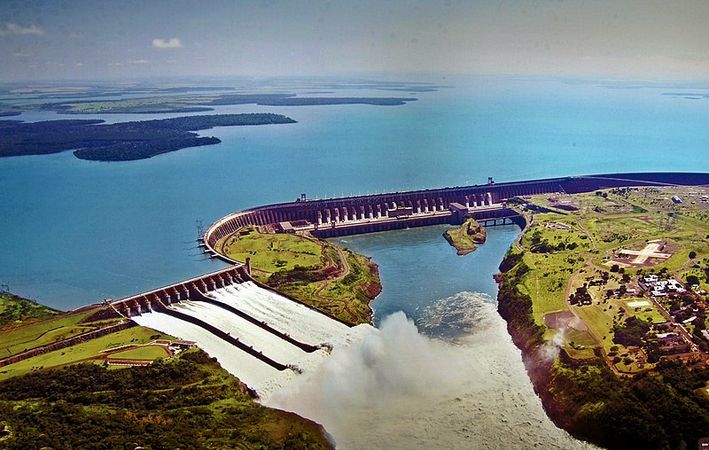
Bitcoin miners pay Paraguay $350 million a year, but AI is pushing them out
Contracts that sell power to a 4% slice of the world’s bitcoin mining at $44 a megawatt-hour expire on Dec. 31, 2027. Paraguay’s s...

Bitcoin Core Discloses Tor and Mining Bugs: Who Was Affected and What Was Fixed?
Bitcoin Core developers have disclosed three previously patched security flaws, including a Tor-related permissions mistake that a...

Paraguay plans to end special crypto power contracts by 2027
Paraguay's shift from crypto to AI power contracts may reshape its economic landscape, prioritizing long-term growth and job creat...

Sui stablecoin supply climbs over 10% to $538M as the wider market shrinks
Sui's stablecoin growth amid market contraction highlights its unique appeal and potential for increased DeFi activity and ecosyst...
Ornn Exchange data shows GPU rental prices climbing month-on-month across chip generations
Rising GPU rental costs could hinder AI development accessibility, impacting innovation pace and widening the gap between tech lea...