Kazakhstan Expects $1.5 Billion From Crypto Mining in 5 Years, Estimates Suggest
Crypto miners now bring more than $230 million into the economy of Kazakhstan each year and estimates show the figure could increase significantly in the future. The industry’s leading organization has projected that the...
Archive context
Older archive item. Useful for background and entity history, but not a fresh market-moving signal.

Crypto miners now bring more than $230 million into the economy of Kazakhstan each year and estimates show the figure could increase significantly in the future. The industry’s leading organization has projected that the government can collect more than $300 million in taxes over the next five years.
Kazakhstan Makes Millions From Cryptocurrency Miners
Kazakhstan’s growing coin minting industry has the potential to pour $1.5 billion into the nation’s economy in a five-year period, resulting in over $300 million in tax revenue, according to the National Association of Blockchain and Data Center Industry which unites major companies involved in cryptocurrency extraction that account for 70% of the mining sector. Budget revenues can reach $400 million with the opening of cryptocurrency exchanges, the organization added.
According to the association’s president, Alan Dordzhiev, even now legal participants in the mining market bring Kazakhstan 98 billion tenge (close to $230 million) annually. Quoted by the local business news portal Inbusiness.kz and the crypto news outlet Forklog, Dordzhiev also noted:
The 98 billion figure is just the economic effect from companies officially engaged in mining activities. If we take into account “gray” miners, then this figure can easily double.
The media reports further reveal that miners pay 13 billion tenge (over $30 million) to the state-run power utility KEGOC for electricity distribution and services provided by the Financial Settlement Center of Renewable Energy. Dordzhiev added that around 500 megawatts (MW) of electricity is consumed by illegal mining operations.
Data compiled by the mining industry association shows that registered crypto farms make around $310 million a year from their activities, two thirds of which is being spent on electrical energy produced in the country. While these revenues are welcome, the government in Nur-Sultan has recently blamed a rising power deficit on crypto miners.
As more mining companies move to Kazakhstan, attracted by its low electricity rates, consumption has spiked by 7.4% in the first nine months of the year, reaching almost 83 billion kilowatt-hours (kWh), authorities revealed last week. A single mining farm is said to require as much power as 24,000 homes and according to officials, meeting the growing needs of the crypto mining industry would require an additional 1,000 MW of power-generating capacity.
To help overcome the challenge, the members of the Association of Blockchain and Data Center Industry have put forward a set of what they call “effective solutions.” They believe that their approach to dealing with the issue can reduce electricity consumption in digital currency mining by more than 35%.
The organization is convinced that the fight against illegal mining is key to Kazakhstan’s energy security but at the same time opposes any restrictions on the legitimate mining industry. Limitations, Dordzhiev warned, “will not only negate the many years of efforts to attract foreign investors, but also affect the actual flow of money into the economy of Kazakhstan.”
Do you think Kazakhstan will receive the estimated revenue from its growing crypto industry? Tell us in the comments section below.
Why this matters
This mining story adds another data point to the current market tape and is useful when read alongside nearby source coverage.
Original source
Read on Bitcoin NewsRelated market context

Russian Crypto Industry Could Be Operating Legally by Year-End: Central Bank
Bitcoin Magazine Russian Crypto Industry Could Be Operating Legally by Year-End: Central Bank Russia’s crypto industry may have al...

Bitcoin hits $86,000 putting ETF investors back in profit after $86 billion wipeout
Bitcoin’s rally toward $86,000 has pushed US spot exchange-traded fund (ETF) investors back into profit after months underwater. D...

Strategy and Strive buy $183 million in Bitcoin as $85,000 rally revives treasury trade
Bitcoin treasury companies Strategy and Strive bought about $183 million of BTC last week as the cryptocurrency’s rebound helped c...
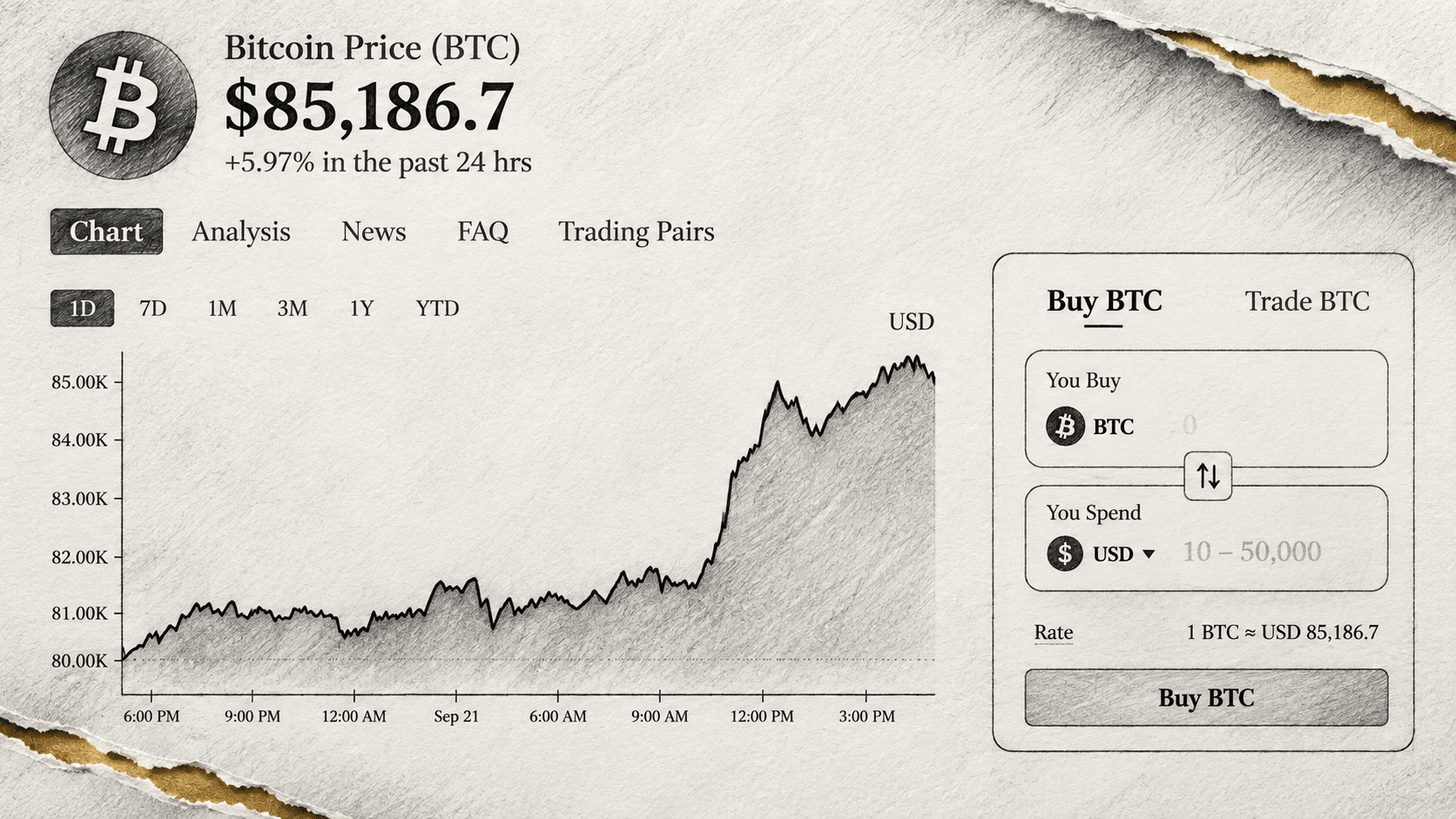
Bitcoin Clears $85,000 as Short Sellers Lose $635 Million in a Single Day
Bitcoin traded above $85,000 on Monday for the first time since January, and the move came at the expense of traders positioned ag...

Bitcoin’s $84K rally isn’t saving miners as difficulty signals already flash caution
Bitcoin’s post-retarget relief for miners was real, but narrow. Using a BTC price of $84,751, the completed difficulty increase an...

Bitcoin Price Shrugs Off Clarity Act Fail, Blasts Past $86,000
Bitcoin Magazine Bitcoin Price Shrugs Off Clarity Act Fail, Blasts Past $86,000 Long-awaited crypto legislation failed last week —...