More Regulations Proposed to ‘Streamline’ Mining Sector in Kazakhstan
Authorities need to expand the regulatory framework for cryptocurrency miners, a member of the parliament in Kazakhstan has suggested. The additional rules should streamline their activities and help correct the forming...
Archive context
Older archive item. Useful for background and entity history, but not a fresh market-moving signal.
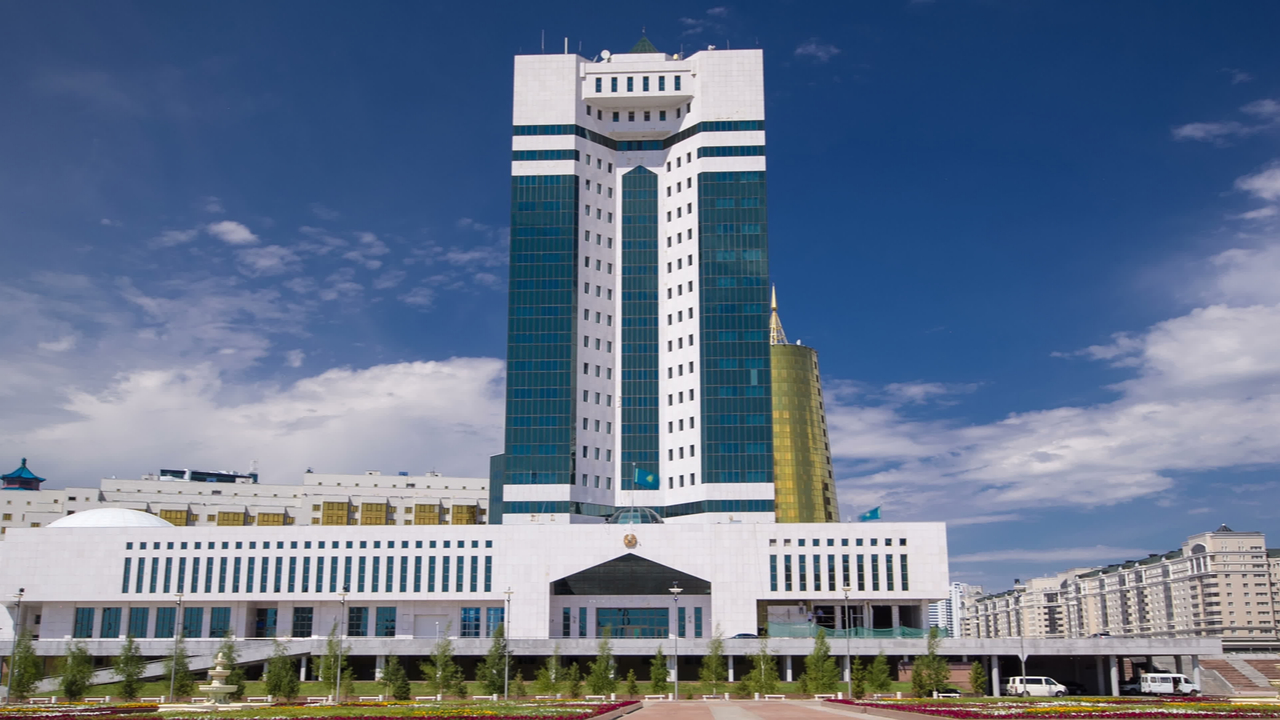
Authorities need to expand the regulatory framework for cryptocurrency miners, a member of the parliament in Kazakhstan has suggested. The additional rules should streamline their activities and help correct the forming public opinion that they are responsible for the country’s electricity deficit.
Crypto Mining in Kazakhstan Needs Additional Regulations, Lawmaker Says
New regulatory requirements and criteria for the crypto mining industry must be adopted to streamline its operations while developing a comprehensive ecosystem for digital assets. That’s according to a recent statement by Dyusenbay Turganov, member of the Mazhilis, the lower house of Kazakhstan’s parliament.
Quoted by the local business news portal Inbusiness.kz, the deputy noted that mining has been a legal industrial activity since the adoption of legislative amendments in 2020. He also reiterated that starting from January 2022, miners operating in accordance with the law will pay a new type of tax to the budget.
“Nevertheless, against the backdrop of a brewing power shortage, society has an incorrect, misled opinion about digital mining as the culprit of the energy crisis and it seems that government agencies are not addressing this problem to the required extent,” Turganov elaborated. He also commented that “effective measures and their results are not visible, there is no due coordination of government bodies in this important process.”
Kazakhstan has registered a growing deficit of electrical power, exceeding 7% in the first nine months of the year, which has been largely blamed on the increasing consumption in its growing mining sector. In November, many consumers, including households, experienced blackouts, and restrictions were imposed in the south of the country. To deal with the shortages, Kazakhstan had to import electricity from neighboring Russia at a higher tariff.
Dyusenbay Turganov insists, however, that it’s uncontrolled electricity consumption by illegal mining farms that’s the main reason for the current situation. To solve the issue, the government has to step up efforts to identify so-called “gray miners” and suppress their illegal activities, he added. That would allow authorities to limit their consumption of power which is badly needed by legitimate consumers, the lawmaker stressed. Turganov has been quoted as stating:
It is needed to develop and adopt the necessary requirements and criteria for streamlining the activities of miners and the development of an integrated ecosystem for the circulation of digital assets based on the AIFC [Astana International Financial Centre] to reduce the share of the shadow economy.
The parliamentarian proposes that miners get involved in the development of renewable energy sources in Kazakhstan and help deal with imbalances in the nation’s power supply system. Authorities should also take steps to expand the country’s generating capacities, he urged.
Turganov’s suggestions come after a group of his colleagues in the Mazhilis proposed, in early October, the establishment of a state register for cryptocurrency farms operating in the country. Worried by the growing consumption of energy in the sector, the lawmakers also want to charge miners a higher price for the electricity they use to mint digital coins.
Do you think Kazakhstan will introduce additional regulatory requirements for cryptocurrency miners? Share your expectations in the comments sections below.
Why this matters
This mining story adds another data point to the current market tape and is useful when read alongside nearby source coverage.
Original source
Read on Bitcoin NewsRelated market context
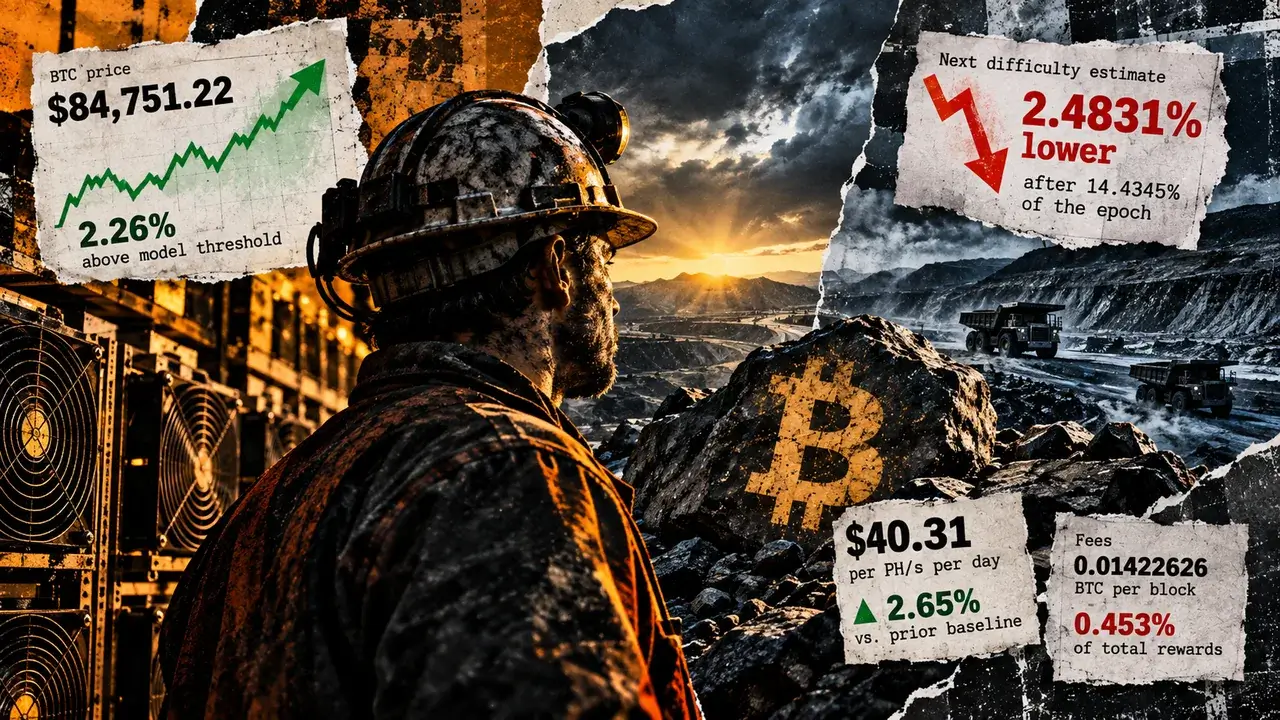
Bitcoin’s $84K rally isn’t saving miners as difficulty signals already flash caution
Bitcoin’s post-retarget relief for miners was real, but narrow. Using a BTC price of $84,751, the completed difficulty increase an...

BitGo Bank & Trust powers TOYOSA’s stablecoin payments for Toyota vehicles in Bolivia
The integration of stablecoin payments in Bolivia's auto market highlights a shift towards digital currencies as solutions to econ...

Coinbase And Stablecore Open Digital Asset Rails To 3,000+ Banks And Credit Unions
TL;DR Coinbase is partnering with Stablecore to bring crypto services into existing bank technology. Stablecore’s infrastructure r...

Venezuelan delegation led by interim president Rodriguez discusses energy, debt, and mining in US
The US-Venezuela talks could reshape global energy and mineral supply chains, impacting geopolitical alliances and economic depend...

Anchorage Digital taps LayerZero for cross-chain stablecoin infrastructure
The potential partnership highlights the growing importance of interoperability and compliance in the evolving digital asset lands...
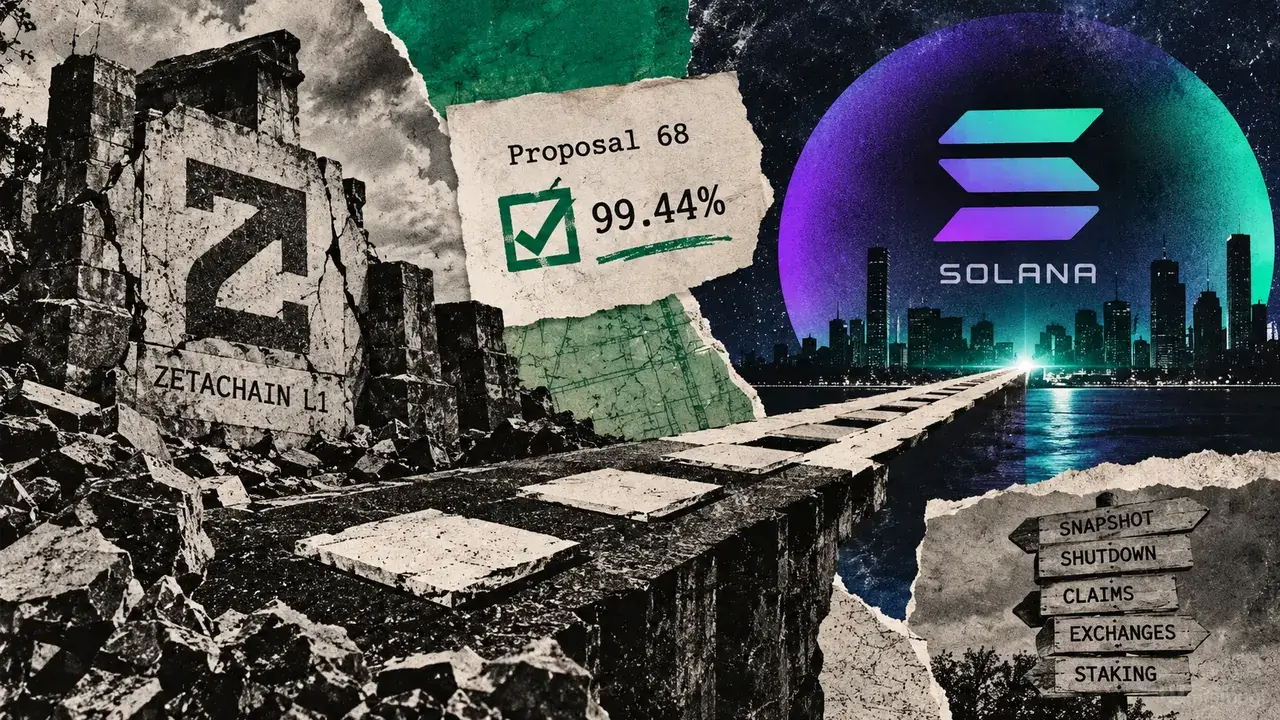
This blockchain just voted to shut itself down for a Solana-powered AI pivot
ZetaChain's on-chain governance has approved retiring the network’s standalone blockchain and moving ZETA to Solana as the project...