Russia Passes Law to Regulate Crypto Exchanges, Keeps Payment Ban in Place
Bitcoin Magazine Russia Passes Law to Regulate Crypto Exchanges, Keeps Payment Ban in Place Russian President Vladimir Putin has reportedly signed a law to set in stone the regulation of digital currencies and digital ri...
Archive context
Older archive item. Useful for background and entity history, but not a fresh market-moving signal.
Bitcoin Magazine
Russia Passes Law to Regulate Crypto Exchanges, Keeps Payment Ban in Place
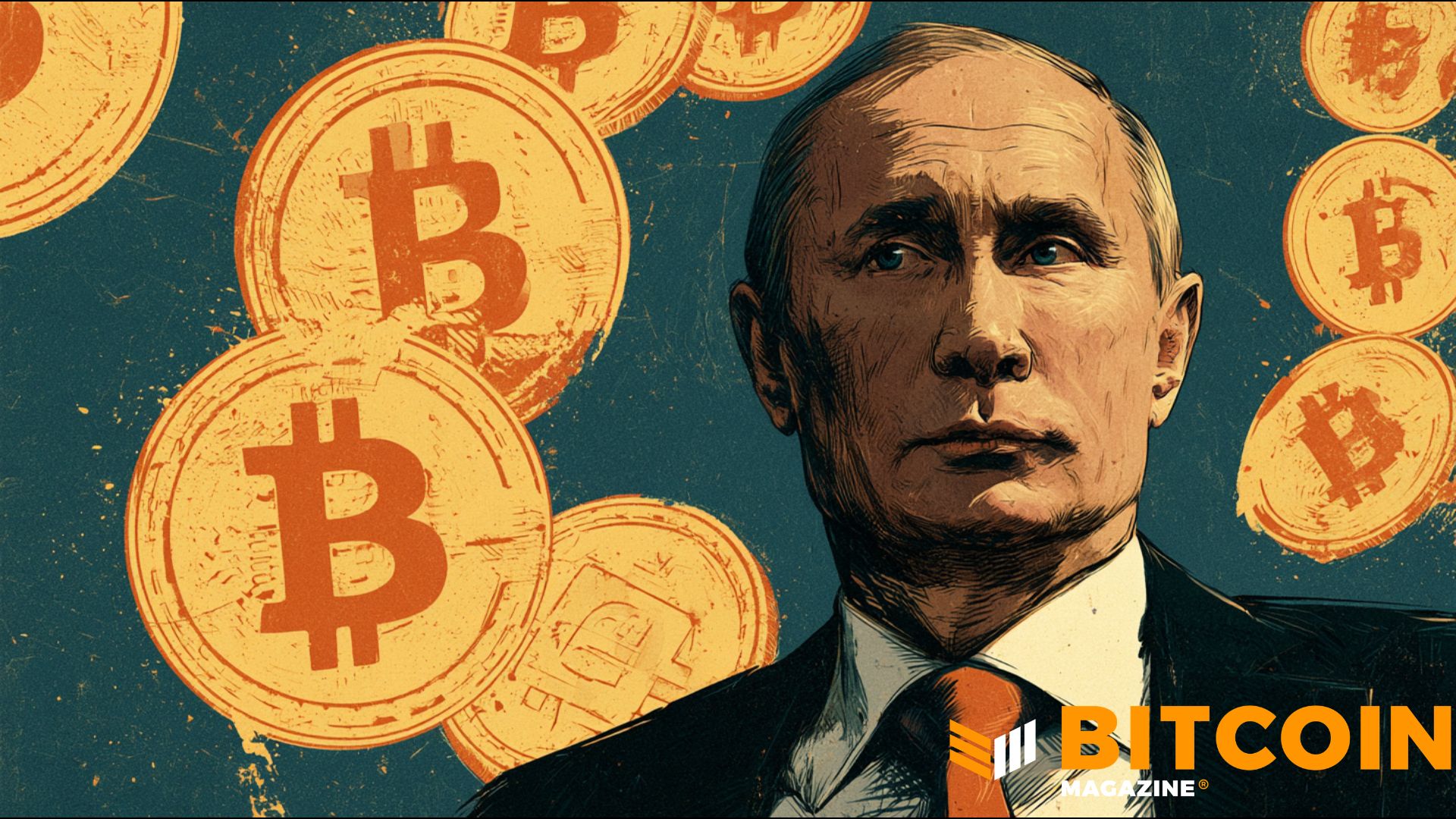
Russian President Vladimir Putin has reportedly signed a law to set in stone the regulation of digital currencies and digital rights in the country — but citizens won’t be using Bitcoin to pay for goods just yet.
News agency Tass reported Tuesday that the new law will allow only registered entities to operate as exchanges, and puts limits on the amount of crypto retail investors can use.
For now, retail investors are limited to trading most liquid cryptocurrencies, capped at 300,000 rubles ($3,700) per year. Qualified investors have no restrictions, according to the report.
But the new law still prohibits digital currencies and digital rights as a means of payment or legal tender within Russia. Using crypto has been illegal in Russia as a form of payment since 2022.
According to the report, Russians can use digital currencies to pay for settlements under foreign trade contracts between residents and non-residents or for those involved in crypto mining.
Russian regulators, lawmakers and the central bank have been over the past few years trying to set in stone clear rules for digital assets.
But Putin is pro-Bitcoin?The news that digital currencies can’t be used as payments may come as a surprise to those who have heard President Putin talk about Bitcoin.
Back in 2024, the Russian leader seemed to speak highly of Bitcoin, saying that new technologies were emerging that could help people move money.
“For example, Bitcoin, who can ban it? Nobody,” he said.
BREAKING: Russian President Putin says "Who can ban #Bitcoin? Nobody." pic.twitter.com/6mJ664BZZ8
— Bitcoin Magazine (@BitcoinMagazine) December 4, 2024The president has also spoken about how the country has “competitive advantages” when it comes to Bitcoin mining due to the abundance of cheap energy in Russia.
But Russian lawmakers want to retain a tight grip on citizens’ spending; the use of digital currency has been for years permitted for international payments — most likely as a way to dodge Western sanctions.
This post Russia Passes Law to Regulate Crypto Exchanges, Keeps Payment Ban in Place first appeared on Bitcoin Magazine and is written by Mathew Di Salvo.
Why this matters
Bitcoin is showing up inside the Mining theme, so this story is worth tracking for follow-through rather than treating it as a one-off headline.
Original source
Read on Bitcoin MagazineRelated market context

UK sanctions three crypto exchanges tied to Russian illicit funds
The UK sanctioned crypto exchanges and payment processors, some of which were tied to thousands of Russian entities and the sancti...

HSBC and Ant Digital test AI-agent payments with tokenized deposits
AI-agent payments with tokenized deposits could revolutionize financial transactions, enhancing efficiency and security in digital...
Luxor’s reported 6–13% annualized Bitcoin yield depends on mining delivery
Luxor, a Bitcoin mining derivatives provider, reported a 6–13% annualized Bitcoin financing spread in its September lookback, publ...

Stealing $1.5B in crypto is easy, cashing out is the trap
North Korean hackers stole around $1.5 billion from Bybit in February 2025. While the hack itself has been widely covered and anal...

Vitalik Warns AI Math Could Threaten Crypto Keys Before Quantum Computing Arrives
Key Takeaways: Vitalik Buterin states that the rise of today’s cryptography is outpaced by AI-accelerated mathematics. In addition...

What happens when crypto trades stocks while Wall Street sleeps?
Wall Street closes at 4 p.m., but apparently that's becoming more of a suggestion than a rule. You can now spend the evening watch...