Sazmining Establishes Sustainable Bitcoin Mining Facility In Paraguay
Sazmining, a hosted Bitcoin mining provider committed to 100% renewable energy, has set its sights on South America with the establishment of a new facility in Paraguay. Slated to commence operations on September 15th, t...
Archive context
Older archive item. Useful for background and entity history, but not a fresh market-moving signal.
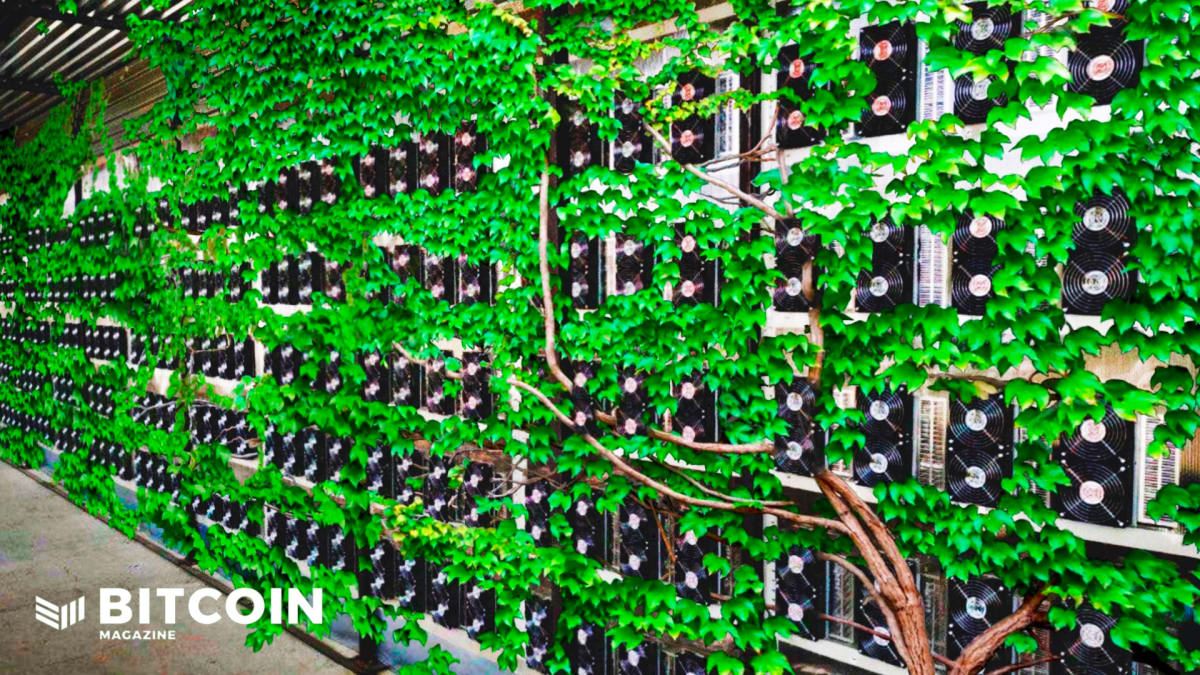
Sazmining, a hosted Bitcoin mining provider committed to 100% renewable energy, has set its sights on South America with the establishment of a new facility in Paraguay. Slated to commence operations on September 15th, the facility takes advantage of Paraguay's low electricity prices, offering hosting at an competitive rate of 4.7 cents per kWh – a far cry from the average cost of 16.1 cents per kWh in the United States.
"By harnessing surplus electricity, Bitcoin mining has ingeniously transformed Paraguay's previous losses into a profitable venture for the entire nation," stated Kent Halliburton, President and COO of Sazmining. "Embracing this development, Paraguayan politicians and the local power provider, ANDE, are actively participating in electricity-for-Bitcoin transactions. Beyond immediate financial gains, Sazmining has a larger vision focused on creating a sustainable and forward-looking future by investing in electrical infrastructure that will benefit Paraguay for generations to come, extending well beyond the lifespan of any Bitcoin mining activities."
As a fully non-custodial service, Sazmining ensures customers' Bitcoin rewards are directly sent from the mining pool to their private wallets. Operating on a mutually beneficial model, Sazmining only earns when the customer does, incentivizing them to optimize the mining environment for maximum efficiency and the longevity of the miners.
The facility will provide customers with their signature white-glove, on-site maintenance, customer-service experiences, and a dedicated security team to ensure the highest standards of safety and performance.
In 1971, Brazil and Paraguay joined forces to construct the Itaipu Dam, generating 14 gigawatts of electricity. Under the agreement, Brazil financed the project, and in return, Paraguay received surplus electricity beyond its domestic needs. Initially faced with the challenge of handling this surplus, Paraguay started selling the excess power to Brazil, albeit at a financial loss. However, the advent of the Bitcoin mining industry has now presented a perfect solution to this situation, allowing Paraguay to not only profit from their surplus energy but also house advanced Bitcoin mining facilities.
Why this matters
This mining story adds another data point to the current market tape and is useful when read alongside nearby source coverage.
Original source
Read on Bitcoin MagazineRelated market context
Tether Wins Mining Industry Support For Its Open Automation Toolkit
Tether is trying to make Bitcoin mining equipment easier to operate as one system. Its October 24 announcement brings 15 industry...

Grayscale Looks Beyond AI Tokens To The Data And Credit Behind Computing
Grayscale’s October 23 research note looks at a more specific crypto-and-AI proposition than a general bet on smarter software: wh...
Bitcoin Hashrate Reclaims One Zettahash As Mining Competition Rebounds
TL;DR: BlocksBridge reported Bitcoin’s seven-day hashrate above one zettahash in the week to October 22. Mining competition has re...

Bitcoin Is Busier Than Ever, but Bitcoin Mining Isn’t Getting Paid More
Bitcoin is processing more transactions than ever before on an annual basis, but the growing activity is doing little to improve o...

Brazil Pushes Mandatory Tokenization to Overhaul Market Tracking
Otto Lobo, president of the CVM, Brazil’s SEC equivalent, stressed that mandatory tokenization combined with AI supervision was ne...

Tether’s mining development kit gets backing from 15 mining firms
Tether's MDK initiative could revolutionize Bitcoin mining by fostering interoperability and automation, potentially reshaping ind...