Tether’s Open-Source Mining OS Could Shatter Barriers – Will Public Miners Lose Their Edge?
Key Takeaways: Tether is set to open-source its Bitcoin Mining Operating System (MOS) to democratize access to mining infrastructure. The software is built to support everything from small-scale DIY rigs to large industr...
Archive context
Older archive item. Useful for background and entity history, but not a fresh market-moving signal.
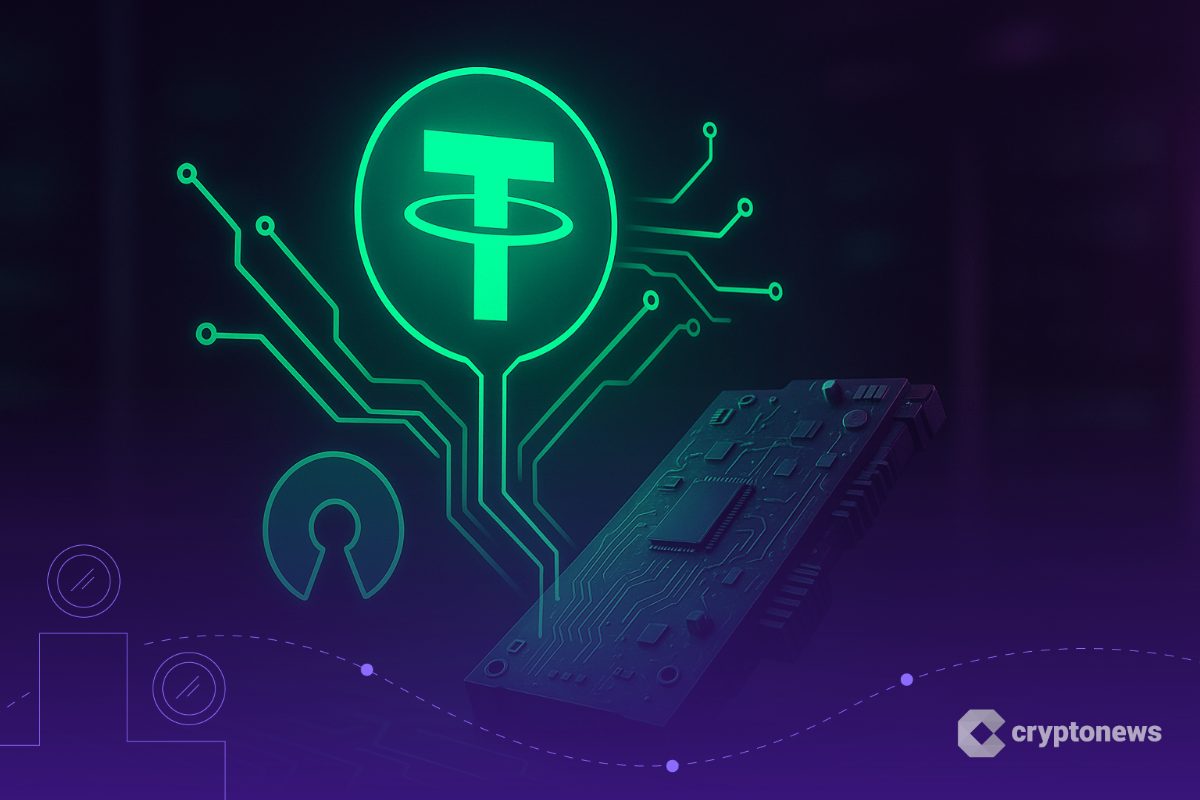
Key Takeaways:
- Tether is set to open-source its Bitcoin Mining Operating System (MOS) to democratize access to mining infrastructure.
- The software is built to support everything from small-scale DIY rigs to large industrial mining farms.
- The initiative could spur a wave of new entrants, and help decentralize mining and strengthen network resilience.
Tether, the issuer of the USDT stablecoin, is preparing to open-source its Bitcoin mining operating system, a move that could shake up the mining industry and lower barriers for new entrants.
Announced by CEO Paolo Ardoino, the initiative seeks to provide smaller or independent miners with tools that typically require expensive third-party software or infrastructure.
The software, known as the Mining Operating System (MOS), is designed to scale from small, DIY setups to large, industrial mining sites.
Tether Expands Bitcoin Mining Push with Open-Source Operating SystemArdoino wrote in his post announcing the plans, “Make mining great again.”
He said the goal is to reduce dependence on centralized mining software providers and offer a more level playing field between small miners and publicly listed firms.
Tether’s MOS is built with a modular, peer-to-peer architecture, making it highly flexible. It can run on systems as simple as a Raspberry Pi or scale up to support massive mining operations involving hundreds of thousands of machines.
Tether will work towards open-sourcing its Bitcoin Mining OS (MOS).
A horde of new Bitcoin mining companies will be able to enter the game and compete to keep the network safe.
No need anymore of any 3rd party hosted software.
MOS will create an even playing field reducing the…
The system already supports a wide range of mining hardware and power setups, including air-cooled and immersion-based container designs.
This move could have broad implications for the mining sector. Publicly listed mining companies have historically had an edge due to access to better software tools and infrastructure.
Tether’s decision to release MOS could close that gap, empowering smaller operators to enter or scale up their participation in Bitcoin mining.
Another angle to this move is energy. Ardoino believes that more small and mid-sized businesses that generate their own electricity, such as through solar, will begin using excess power to mine Bitcoin.
While no release date for the open-source version was provided, the announcement adds another layer to Tether’s growing involvement in Bitcoin mining and infrastructure.
The company has previously invested in mining operations and energy initiatives, especially in Latin America.
Miners Face Tight Margins as AI, Hashrate Wars Reshape Post-Halving EnvironmentTether’s push into open-source AI and mining software comes at a time when Bitcoin miners face one of the most challenging post-halving environments to date.
Since the April 2025 halving cut block rewards to 3.125 BTC, many public miners have shifted from HODLing to selling.
According to TheMinerMag, over 40% of mined BTC was offloaded by 15 firms in March alone. Some, like HIVE and Bitfarms, sold more than their total monthly production, a sign of rising operational strain.
The pressure is mounting as the Bitcoin network’s hash rate hit a record one sextillion hashes per second in April, and mining difficulty reached a new high of 121.51 trillion in May, after a 6.81% jump.
Bitcoin’s hashrate hits all-time high, but miners are selling more BTC as revenue plunges post-halving — can the network’s security surge outpace financial pressures?#Bitcoin #Mininghttps://t.co/D7931KDQW2
— Cryptonews.com (@cryptonews) April 17, 2025Meanwhile, miner revenue in March plunged 50% year-over-year, dropping to just $1.2 billion.
The hashprice, a key metric of mining profitability, has barely recovered, hovering around $54 per PH/s.
To stay afloat, some firms are shifting to AI. HIVE has already reported stronger income from AI workloads than crypto mining, prompting heavier investment in compute infrastructure.
Others, like Cango, have gone all-in on mining, producing over 950 BTC across April and May after exiting legacy operations in China.
Tether’s AI initiative could support that trend, blending decentralized compute with native crypto payments and offering a new path for miners eyeing survival through diversification.
In this new chapter, miners may need more than hardware to keep their edge.
The post Tether’s Open-Source Mining OS Could Shatter Barriers – Will Public Miners Lose Their Edge? appeared first on Cryptonews.
Why this matters
This mining story adds another data point to the current market tape and is useful when read alongside nearby source coverage.
Original source
Read on CryptonewsRelated market context
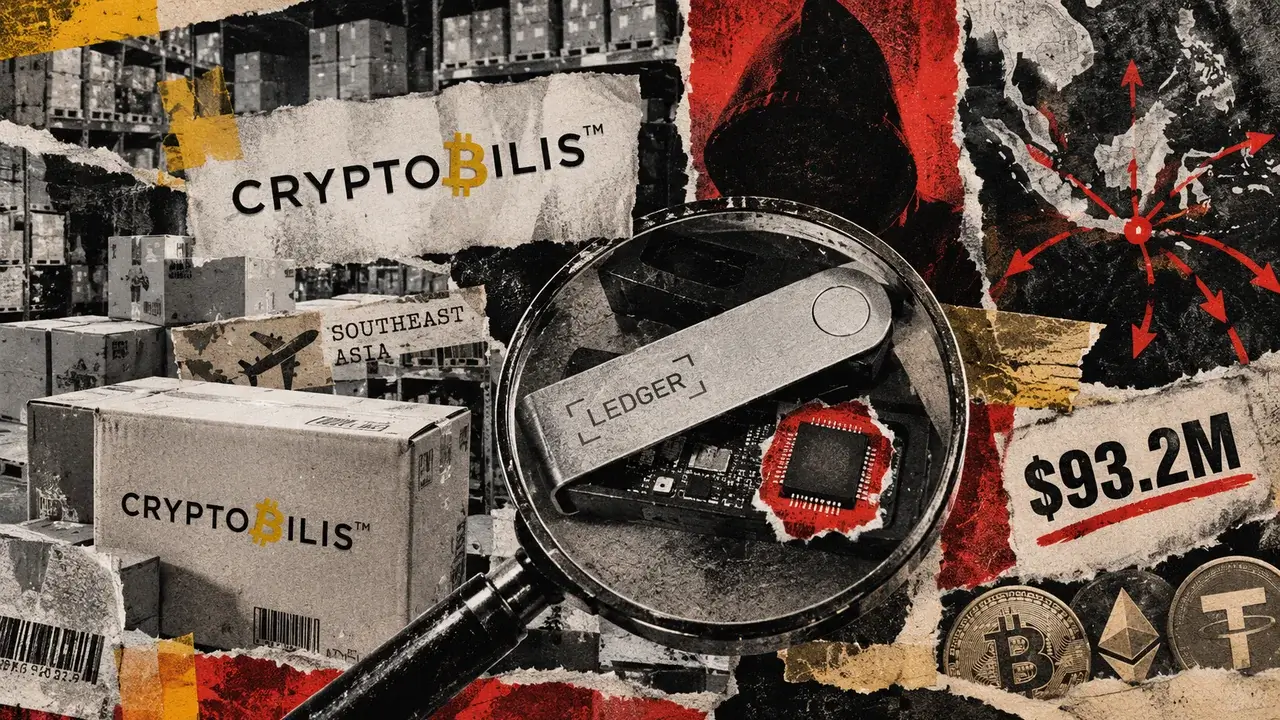
Ledger wallet implant exposes a gap in its authenticity check
Ledger has confirmed an unauthorized hardware implant in one affected customer's wallet as independent investigators estimate $93....

China Crypto Strategy Expands as Beijing Backs National Blockchain Network
China announced crypto plans for a national blockchain network. The proposal appeared in a policy document from the Communist Part...

SUI Crypto Up +2% Following $30M DATA Network Investment
SUI crypto trades at $1.12, up +2.2% over 24 hours, as traders weigh a sharp recent rebound against overhead resistance. The Sui F...
FTX’s old Bitcoin-mining infrastructure gets a second life powering AI
The shift from crypto mining to AI workloads highlights the evolving landscape of digital infrastructure, emphasizing connectivity...

SWI Turns FTX’s Former Bitcoin Mining Infrastructure Toward AI Boom
Genesis Digital Assets, once one of Sam Bankman-Fried’s largest crypto investments, is being repurposed for the artificial-intelli...
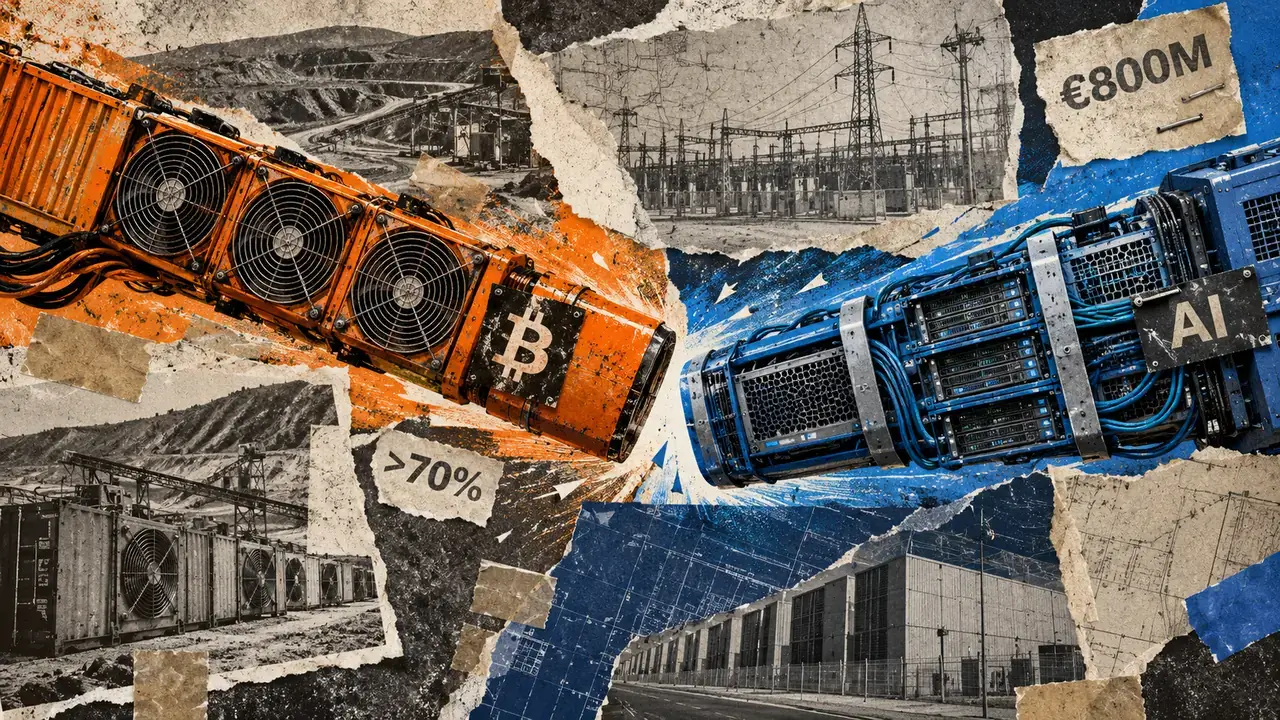
FTX’s former Bitcoin mining bet gets new life as parent raises €800 million for AI
SWI Group has raised €800 million to expand AI infrastructure, advancing its plan to repurpose FTX-backed Bitcoin miner Genesis Di...